






The Heart of the Proposal
A consensus of leading Indian doctors and public health specialists is formally recommending the integration of lower-sodium, potassium-enriched salt into the country's public health strategy. The proposal urges that these salts be included in national
guidelines for non-communicable diseases (NCDs) and hypertension management. The core idea is to make this healthier alternative a mainstream choice, available in homes and even used in large-scale government food programs like mid-day meals and public canteens. This follows the World Health Organization's 2025 guidelines which endorsed using these salt substitutes to help reduce blood pressure and cardiovascular risk.
What Exactly Is Lower-Sodium Salt?
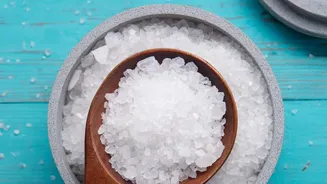
Lower-sodium salt, often called potassium-enriched salt, isn't a complex chemical invention. It's a simple blend where a portion of the sodium chloride (regular salt) is replaced with potassium chloride. Typically, these products contain about 70-75% sodium chloride and 25-30% potassium chloride. For the consumer, the experience is nearly identical; it looks, tastes, and is used in cooking just like conventional salt. The magic is in its composition: it simultaneously reduces the intake of sodium, which raises blood pressure, while increasing the intake of potassium, a mineral known to help lower it.
India’s Pressing Salt Problem
The push for this change is driven by alarming statistics. The average Indian consumes between 8 and 11 grams of salt per day, nearly double the WHO's recommended limit of 5 grams. This excessive sodium intake is a primary driver of hypertension, or high blood pressure, a condition affecting an estimated one in three adults in India. High blood pressure is a leading cause of cardiovascular diseases (CVDs) like heart attacks and strokes, which are responsible for over a quarter of all deaths in the country. Unlike in Western countries where processed foods are the main source of salt, nearly 80% of the sodium in the Indian diet comes from salt added during home cooking, making a household-level intervention particularly impactful.
The Science-Backed Benefits
This proposal isn't based on a hunch; it's backed by significant scientific evidence. A large-scale trial in China involving nearly 21,000 people over five years found that using potassium-enriched salt led to a 14% reduction in strokes, a 13% drop in major cardiovascular events, and a 12% decrease in overall mortality. A smaller randomised trial in rural India specifically focusing on adults with hypertension showed that using lower-sodium salt reduced systolic blood pressure significantly. Experts believe that widespread adoption in India could prevent 8-14% of cardiovascular-related deaths, a life-saving impact comparable to many first-line medications for high blood pressure.
Potential Risks and Hurdles
While the benefits are substantial, the approach requires caution. The main concern is the risk of hyperkalemia (abnormally high potassium levels in the blood) for individuals with advanced chronic kidney disease, as their bodies cannot excret potassium effectively. Proponents of the proposal stress that guidelines would include clear contraindications for these specific patient groups. Other hurdles are logistical. Lower-sodium salt currently costs more than twice as much as regular iodised salt and has limited availability, especially in smaller grocery shops. Overcoming these price and distribution barriers will be crucial for the strategy to succeed on a national scale.
The Road Ahead for the Proposal
For this recommendation to become policy, it needs to be formally adopted by key government bodies. The experts are urging the Food Safety and Standards Authority of India (FSSAI) to officially recognise potassium-enriched salt as an 'edible salt' category and establish clear, evidence-based labelling standards. The next steps would involve integrating it into national health programs and potentially supporting its use in government-procured food supplies to build volume and normalise its presence in the market. This is part of India's broader commitment to reduce the average population's sodium intake by 30% by 2030 to curb the rise of non-communicable diseases.