




The Modern Protein Obsession
Walk down any supermarket aisle, and you'll see it: protein-fortified cereals, protein bars masquerading as chocolate bars, and even protein-infused water. We've become a culture obsessed with this single macronutrient, and for some good reasons. Protein
is essential for life, serving as the building block for everything from our hair and skin to our hormones and, of course, our muscles. It plays a vital role in repairing tissues and supporting a healthy immune system. For anyone looking to get stronger or change their body composition, high-protein diets have become the standard advice, praised for their ability to help build muscle and keep you feeling full. But this intense focus might be making us overlook its equally important counterpart.
Activity: The Engine for Muscle Growth
Think of it this way: if protein is the pile of bricks, physical activity is the construction crew that tells them where to go. Exercise, particularly resistance training like lifting weights, sends a powerful signal to your body. This stress causes tiny micro-tears in your muscle fibres, which sounds bad, but is actually a necessary stimulus for growth. This process, known as muscle protein synthesis (MPS), is the fundamental mechanism behind muscle repair and growth. Without the 'demand' created by exercise, your body has no compelling reason to direct those amino acids from protein toward building bigger, stronger muscles. Activity is the trigger that turns on the muscle-building machinery.
Protein Without Activity: A Wasted Effort?
So, what happens if you're loading up on protein shakes but your main exercise is walking to the fridge? While your body will use the protein for essential maintenance, it can't magically build muscle without a reason to do so. Once your body's basic protein needs are met, any extra that you consume can't be stored as protein for later. Instead, the body will use it for energy or, if you're in a calorie surplus, convert it and store it as fat. While adequate protein can help preserve existing muscle mass during periods of inactivity, it won't lead to new growth. Pouring more protein into a sedentary system is like delivering bricks to a construction site with no workers; the materials pile up, but nothing gets built.
The Synergistic Power Couple
The real magic happens when exercise and protein work together. Research consistently shows that their effects are synergistic, meaning their combined impact is greater than the sum of their individual parts. An exercise session, especially resistance training, makes your muscles highly receptive to protein for up to 48 hours afterward. Consuming protein during this window significantly boosts muscle protein synthesis, tipping the scales toward a positive protein balance where building outpaces breakdown. This is the very foundation of muscle growth, or hypertrophy. It’s not a question of which one is more important; it's about recognising that they are an inseparable team. One creates the demand, and the other provides the supply.
Making It Work for You
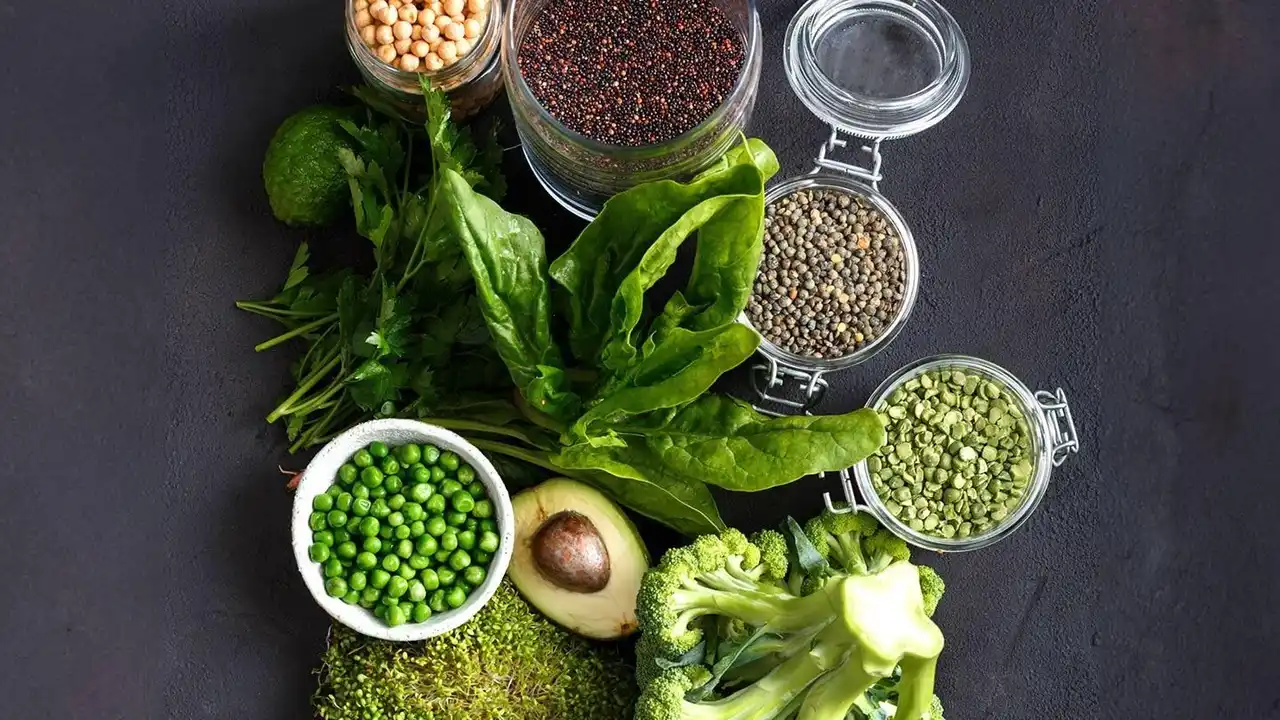
The goal isn't to meticulously count every gram of protein or spend hours in the gym. For most healthy adults, the key is consistency. Aim to include a source of quality protein with each meal. This could be anything from eggs and dairy to meat, fish, legumes, or tofu. When it comes to activity, find something you enjoy that challenges your muscles. This doesn't have to be heavy weightlifting; bodyweight exercises, resistance bands, and even vigorous gardening can provide the necessary stimulus. The International Society of Sports Nutrition suggests a general intake of 1.4–2.0 grams of protein per kilogram of body weight per day for active individuals. The key is pairing that nutritional strategy with regular, challenging physical activity to give that protein a job to do.