




Find Your Dedicated Spot
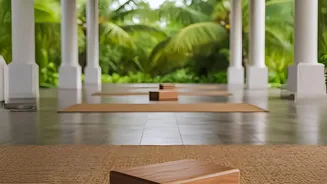
The first step is to choose a space with intention. You don't need an entire room; a quiet corner in a bedroom or living room works perfectly. Look for a spot with minimal foot traffic where you feel you can focus, preferably with some natural light.
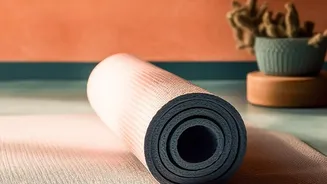
The only non-negotiable is having enough floor space to roll out a mat. Clearing this area of clutter is essential. A tidy environment helps calm the mind and allows you to be more present during your practice.
Define the Area with a Blanket or Rug
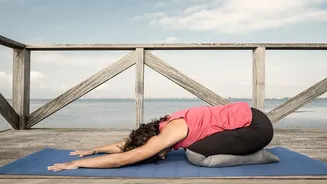
You don't need a traditional yoga mat to get started, though it's a worthy investment later on. To define your space and add comfort, use a rug, a folded blanket, or even a soft beach towel. This simple act of laying down a specific item helps signal to your brain that this corner is a dedicated space for relaxation and self-care. A favourite blanket can provide support and padding, making poses more accessible.
Improvise Your Yoga Props
Official yoga props can be expensive, but your home is full of effective substitutes. For yoga blocks, which help bring the floor closer to you, grab a few thick books and secure them with rubber bands or tape. A firm sofa cushion or a few rolled-up towels can serve as a supportive bolster for restorative poses. And instead of a yoga strap, a bathrobe tie, a belt, or a long scarf can help you deepen stretches.
Set the Mood with Soft Lighting
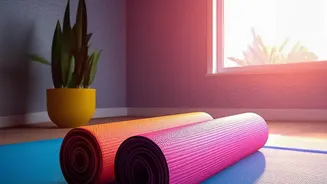
Atmosphere is key to creating a serene environment. Harsh overhead lighting is rarely relaxing. Instead, make use of the natural light from a window if possible. In the evening, or if your corner is dark, use a small lamp with a warm-toned bulb. You can also soften the light by draping a lightweight scarf over a lampshade—just be sure it doesn’t touch the bulb. Unscented candles can also create a calming, meditative mood.
Bring a Touch of Nature In
Incorporating natural elements can work wonders for your mental state and connect you to the outdoors. If you have houseplants, move a small one into your corner. Looking at greenery can be incredibly grounding. If you don't have plants, a simple, meaningful object from nature—like a smooth stone, a seashell, or a fallen leaf—can have a similar effect when placed with intention.
Engage Your Senses
A truly serene space engages more than just your eyes. For sound, use your phone or a small speaker to play a calming playlist of instrumental music or nature sounds. For scent, you don't need a fancy diffuser; a few drops of an essential oil like lavender on a cotton ball can fill the space with a relaxing aroma. Even the simple ritual of brewing a cup of herbal tea to enjoy after your practice can become part of the sensory experience.