




Hoh Rainforest, Washington
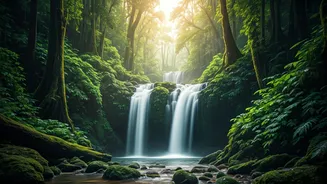
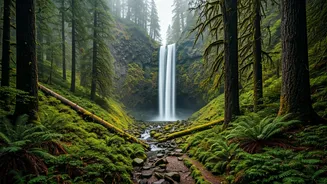
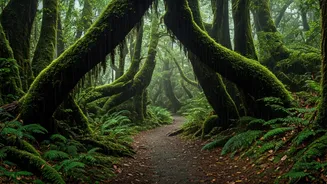
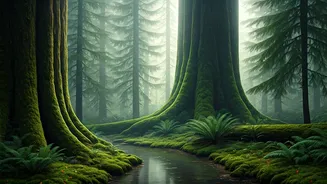
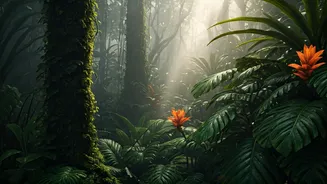
Step into the Hoh Rainforest in Olympic National Park, and you’ll instantly understand that this is a world built by water. Receiving up to 14 feet of rain annually, this temperate rainforest is a study in green. Sunlight struggles to pierce the dense
canopy of Sitka spruce and Western hemlock, casting an emerald glow on everything below. The most captivating feature is the moss—thick, velvety carpets of it drape over maple branches, creating what locals call the “Halls of Moss.” The constant dampness mutes sound, creating a hushed, cathedral-like reverence. The air is thick with the smell of damp earth and decaying leaves, a primal scent of life, death, and renewal. To visit during a drizzle isn't a disappointment; it’s an invitation to see the forest in its most authentic, vibrant state.
Ketchikan, Alaska
Known as the “Rain Capital of Alaska,” Ketchikan doesn’t just tolerate precipitation; it thrives on it. This Panhandle town, built on stilts over the water, sees over 230 days of rain a year. This might sound gloomy, but it’s the engine for the region’s dramatic beauty. The persistent moisture keeps the surrounding Tongass National Forest impossibly lush and feeds the countless waterfalls that cascade down granite cliffs into misty fjords. When the clouds hang low, they wrap the mountains in a soft, mysterious embrace, making the landscape feel ancient and untouched. The rain also fuels the salmon runs, a critical part of the ecosystem that supports eagles, bears, and the local fishing industry. In Ketchikan, you learn to put on a good raincoat and see the world through a sheen of water, where every color appears deeper and more saturated.
The Nāpali Coast, Kauai, Hawaii
While many visit Hawaii for its sunny beaches, the true magic of Kauai, the “Garden Isle,” is found in its rain-fed interior and dramatic coastlines. The island is home to Mount Waiʻaleʻale, one of the wettest spots on Earth. All that water has to go somewhere, and it does so by carving the iconic, razor-sharp ridges and deep valleys of the Nāpali Coast. After a good downpour, the emerald cliffs come alive with dozens, sometimes hundreds, of temporary waterfalls that plummet thousands of feet to the valley floors or directly into the Pacific Ocean. Seeing this from a boat or helicopter is a breathtaking spectacle. The mist that often clings to the peaks gives the landscape an ethereal, prehistoric quality—it’s no wonder it was a primary filming location for *Jurassic Park*.
Great Smoky Mountains, Tennessee & North Carolina
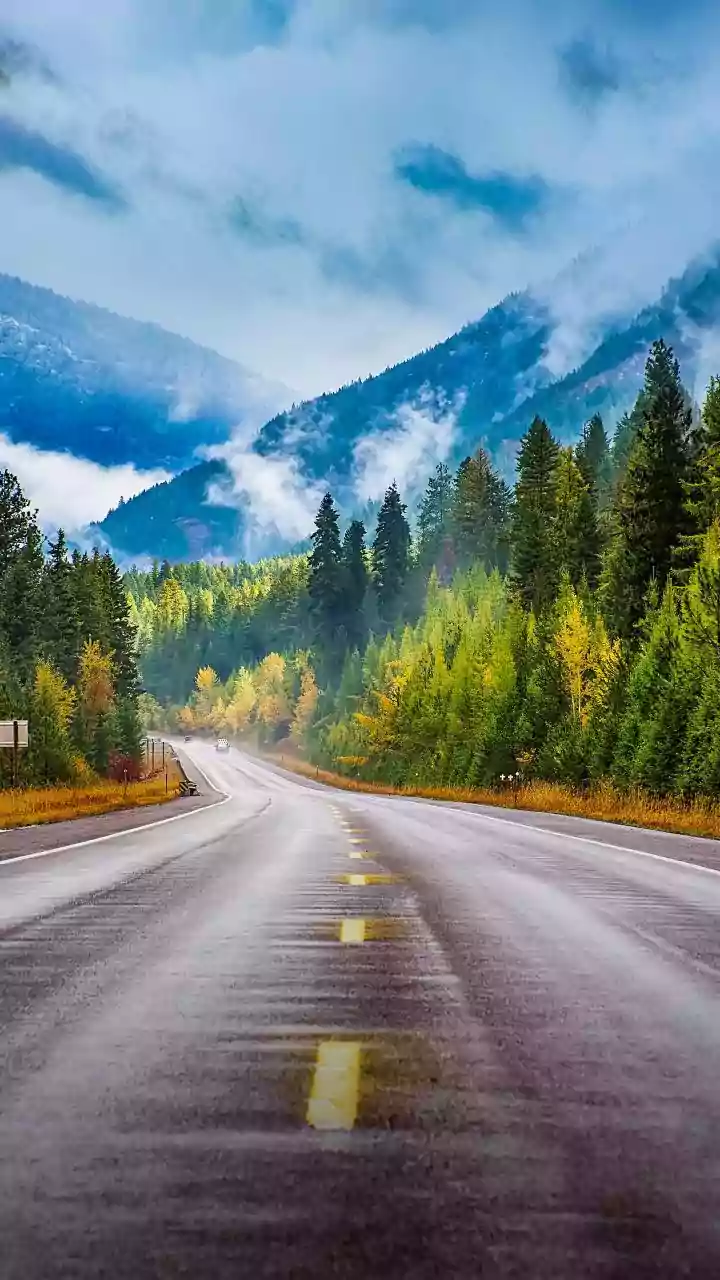
The name says it all. The “smoke” that gives these mountains their iconic, hazy appearance is actually a form of fog, created by the vast vegetation exhaling moisture. This process is most pronounced after a rain, when the valleys fill with a sea of clouds and the mountains appear as islands floating above them. The Smokies are a UNESCO World Heritage site, recognized for their incredible biodiversity, which is a direct result of the high rainfall and humidity. The rain nourishes over 100 species of native trees and an explosion of wildflowers and ferns. A hike on a damp, misty day is an immersive sensory experience: the sound of water dripping from leaves, the gurgle of a newly swollen creek, and the rich, loamy scent of the forest floor. It’s a place where the weather isn’t just something to endure, but a core part of its identity and charm.