


First, Understand Your Sunlight
Before you can choose the right plants, you need to become an expert on your balcony's light. Most vegetables and flowering plants need at least six to eight hours of direct sun daily. Balconies are different from open gardens; nearby buildings, overhangs,
and railings can create complex patterns of sun and shade. The easiest way to measure your light is to simply observe. Check the balcony every hour for a full day, from morning to evening. Note when direct sunlight first hits your space and when it leaves. Pay attention to which specific spots get sun—the floor might be shaded while the railing is in full sun. This simple exercise will tell you whether you have a full-sun (6+ hours), partial-shade (2-6 hours), or full-shade (less than 2 hours) environment, which is the most important information for selecting plants.
Plant Picks for Sun-Drenched Balconies
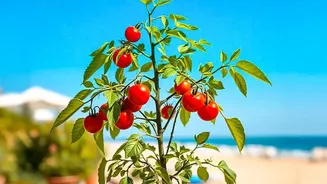
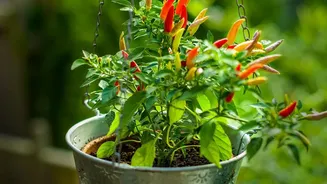
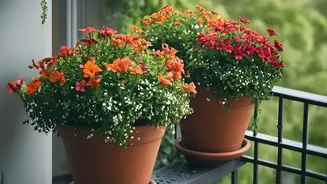
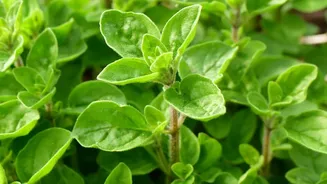
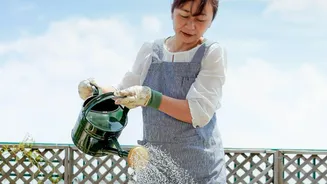
If your balcony receives more than six hours of direct sun, you have a wealth of options. Heat-loving herbs like rosemary, basil, and thyme will flourish. For a splash of colour, consider flowers that thrive in bright conditions, such as petunias, marigolds, zinnias, and salvia. Many vegetables also perform well in full-sun containers. Cherry tomatoes, peppers, and even compact varieties of eggplant and beans can be very productive. Remember that full sun also means containers will dry out quickly, so be prepared to water frequently, especially during hot weather. Choosing larger pots can help retain moisture longer.
Flourishing in a Shadier Spot
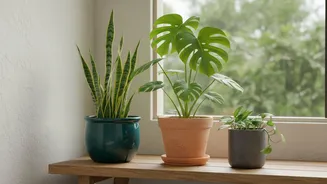
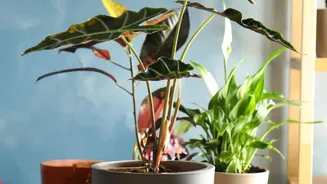
A shady balcony isn't a barrier to a beautiful garden; you just need to choose plants that prefer lower light levels. Many stunning foliage plants thrive in shade, creating a lush, jungle-like feel. Ferns, coleus, and snake plants are excellent choices that add texture and colour. If you want flowers, impatiens, begonias, fuchsias, and some types of hydrangeas are known to bloom well in partial to full shade. For edible options, many leafy greens like spinach and lettuce actually prefer the cooler conditions of a shadier spot. Some strawberry varieties, particularly woodland types, can also produce fruit in partial shade.
Maximise Every Inch of Space
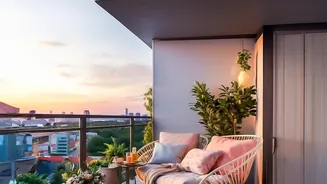
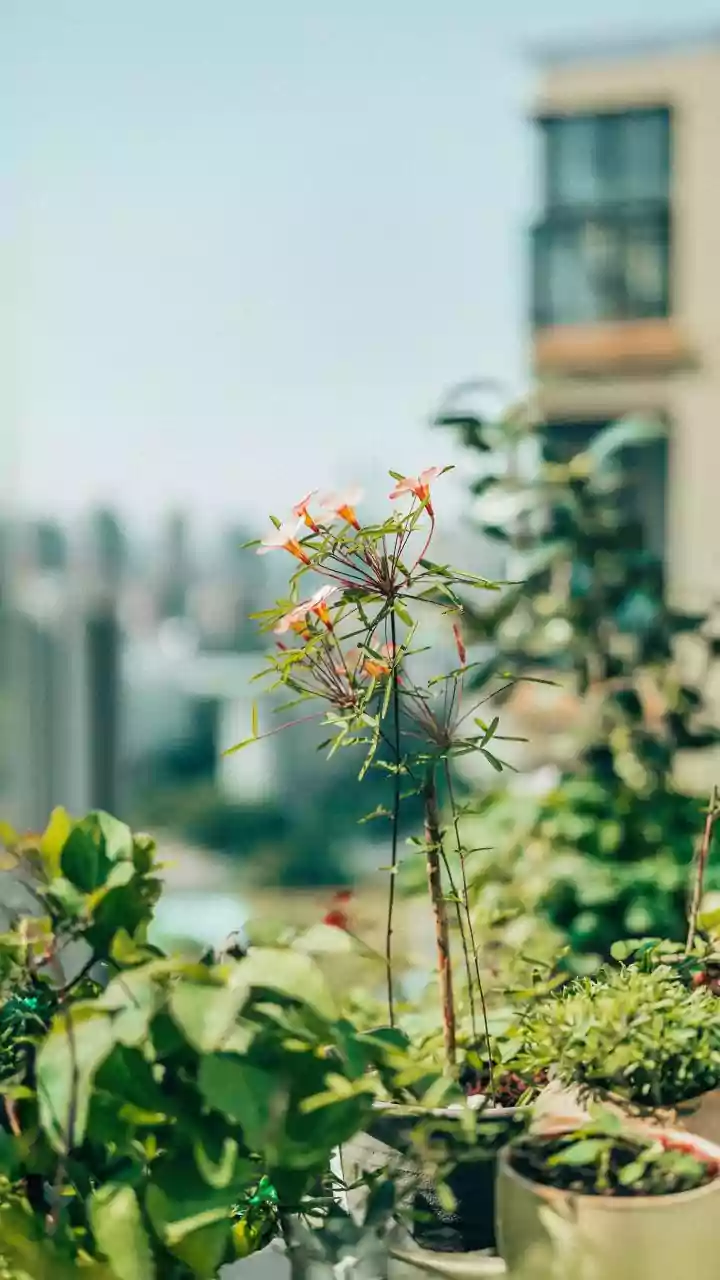
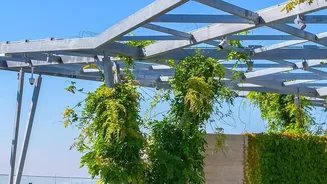
Limited floor space is the most common challenge in balcony gardening, but the solution is to think vertically. Using walls and railings is the key to growing more without creating clutter. Install railing planters for flowers or herbs, which adds colour without taking up any floor area. Wall-mounted shelves or pocket planters are perfect for smaller plants like succulents or herbs. Consider a trellis for climbing plants like jasmine or star jasmine, which can create a living green wall. Hanging baskets are another classic space-saver, ideal for trailing plants like ivy or pothos that cascade downwards. By using these vertical strategies, you can easily double your planting area.
Choose the Right Home for Your Plants
Finally, the containers you choose are just as important as the plants themselves. One of the biggest mistakes beginners make is using garden soil, which becomes heavy and compacted in pots. Always use a quality potting mix designed for containers. This ensures proper aeration and drainage. Speaking of drainage, make sure every pot has holes in the bottom to prevent waterlogging and root rot. While it can be tempting to cram many plants into one pot, follow spacing guidelines to avoid overcrowding, which can lead to competition for nutrients and poor air circulation. Giving each plant the room it needs to grow will result in a healthier and more beautiful balcony garden in the long run.