


The Comfort Food Revival
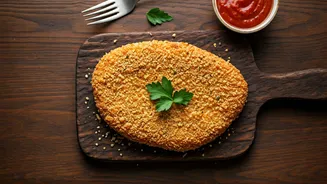
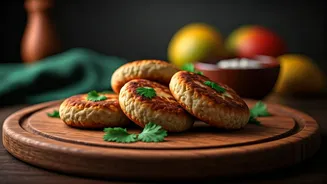
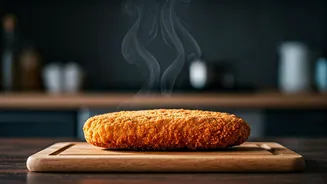
In a world of fleeting food fads and complex culinary experiments, there’s a noticeable return to the simple, satisfying classics. And leading the charge is the crispy homemade cutlet. Whether it’s chicken, mutton, fish or a hearty vegetable version,
this crumb-coated and fried delight is appearing more frequently on dinner tables and social media feeds. This resurgence isn't just a coincidence; it taps into a collective craving for comfort and nostalgia. In times of uncertainty, we often seek out the predictable and safe, and familiar foods can trigger positive emotions and memories of feeling supported and connected. The act of eating something tied to our past can activate regions in the brain responsible for memory and emotional regulation, making a simple cutlet feel like a hug in culinary form.
More Than Just Nostalgia
While nostalgia is a powerful driver, the cutlet's return is also fueled by modern-day realities. Economically, cutlets are a practical choice. They allow home cooks to make the most of affordable cuts of meat or stretch vegetables into a filling, satisfying meal. Furthermore, the rise of “budget cooking” as a viral social media trend has put a spotlight on frugal yet delicious meals. There’s also a psychological component; indulging in familiar, satisfying dishes can activate reward centers in the brain, providing a sense of pleasure and security during stressful times. As people look for affordable and emotionally fulfilling meal options, the cutlet checks every box. It’s an accessible luxury and a reliable source of comfort.
A Dish with a Rich Indian History
The cutlet's journey in India is a fascinating story of culinary adaptation. The concept arrived during the colonial era, derived from the French ‘côtelette’ and British chop. Originally a thin slice of meat on the bone, it was quickly adapted for the Indian climate and palate. British cooks, finding local meat tough, preferred to use minced meat (keema), which was also an excellent way to use leftovers. The introduction of the potato, credited largely to the Portuguese and Dutch, was the final piece of the puzzle. In Bengal, where potatoes were enthusiastically adopted, colonial cooks began mashing them with minced meat to create the 'kaatlet'. This innovation spread, with Indian cooks applying the technique to everything from fish fillets to leftover vegetables, giving birth to the diverse array of cutlets we know today.
The Anatomy of the Perfect Cutlet
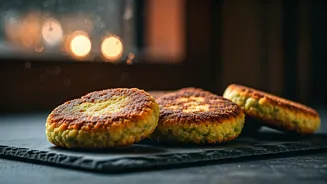
Achieving that perfect crispy-on-the-outside, juicy-on-the-inside texture is an art, but a highly achievable one. The process starts with the patty—be it minced mutton, pounded chicken, flaked fish, or mashed vegetables bound with potato. The key to a great crust lies in the three-step breading process: a light coating of flour, a dip in beaten egg, and a generous press into breadcrumbs. For an extra-crispy finish, many swear by Japanese panko breadcrumbs. One professional tip is to let the breaded cutlets rest for about 10 minutes before frying; this helps the coating adhere properly. When it's time to cook, ensure your oil is sufficiently hot—between 350-375°F is ideal for that perfect sizzle without smoking. Fry for just a few minutes per side until golden brown, and don't overcrowd the pan, which can lower the oil temperature and lead to a soggy finish.
Why We Love the Crunch
The sensory experience is a huge part of the cutlet's appeal, amplified by social media platforms like TikTok and Instagram. Visually appealing videos showcasing the 'crunch' have gone viral, turning a simple meal into an ASMR-worthy event. Beyond the emotional connections, the texture of comfort foods plays a crucial role in our cravings. A crispy, crunchy exterior combined with a soft, savoury interior offers a symphony of sensations that is deeply satisfying. This textural contrast is something our brains are wired to enjoy, making each bite a small moment of pure indulgence. As home cooking continues to be a central part of our lives, the simple, versatile, and deeply comforting cutlet has rightfully reclaimed its place in the spotlight.