

1. Coolcations: Escaping the Heat
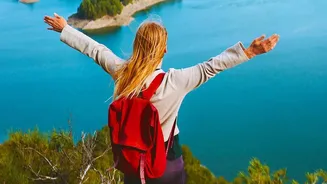
As summer temperatures in traditional hotspots continue to rise, a growing number of travellers are swapping sun-soaked beaches for cooler climates. This trend, dubbed 'coolcations', is about embracing comfortable weather in destinations known for their
natural beauty and milder temperatures. Instead of the scorching Mediterranean, think of the dramatic fjords of Norway, the volcanic landscapes of Iceland, or the lush, green highlands of Scotland. The appeal isn't just about avoiding heatwaves; it's about enjoying outdoor activities like hiking and wildlife watching without the discomfort of extreme heat. Data shows a significant shift, with airlines reporting booking surges from Southern Europe to Scandinavia. This trend suggests a redefinition of the ideal summer getaway, where the goal is restoration and active exploration rather than simply chasing the sun.
2. Gig-Tripping: Travel for the Music
Once a niche activity for die-hard fans, 'gig-tripping' has gone mainstream. This trend involves planning an entire domestic or international trip around seeing a favourite artist perform live. Sparked by the massive global tours of artists like Taylor Swift and BTS, fans have discovered that it can sometimes be cheaper to fly to another country, see a show, and have a short holiday than to buy a high-priced ticket at home. But it's about more than just cost savings. Gig-tripping turns a concert into a full-blown cultural experience, combining live music with sightseeing, local food, and exploring a new city. With nearly half of travellers admitting they've chosen a destination for an event, tourism boards are taking notice, marketing their cities around major concerts. In 2027, expect more people to let their favourite band's tour schedule double as their travel planner.
3. Astro-Tourism: Chasing Dark Skies
As city lights obscure the night sky for over 80% of the world's population, more people are travelling in search of darkness. Astro-tourism, or dark-sky tourism, is booming as travellers venture to remote locations to witness the cosmos. This can mean stargazing in certified International Dark Sky Places, witnessing a meteor shower, or travelling to see phenomena like the Northern Lights or a total solar eclipse. The upcoming total solar eclipse in August 2027, visible across parts of North Africa and the Middle East, is already driving significant travel bookings. Destinations like Hanle in Ladakh, India's first Dark Sky Reserve, are seeing increased tourism as they offer pristine views of the Milky Way. This trend combines the wonder of astronomy with the appeal of remote, beautiful landscapes, offering a profound connection to the universe.
4. Slow Travel: Living Like a Local
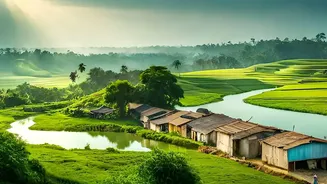
Rejecting the frantic, multi-city-in-a-week itinerary, the 'slow travel' movement encourages deeper, more immersive experiences. This trend is about staying in one place for an extended period—weeks, or even a month—to connect with the local culture, rhythms, and community. Driven by the rise of remote work and a collective sense of burnout, travellers are opting to rent apartments, shop at local markets, and explore neighbourhoods on foot rather than rushing between landmarks. In India, destinations like Goa, Pondicherry, and Himalayan towns like Dharamshala are becoming hubs for this slower pace of life. Not only is it often more affordable than a series of short hotel stays, but it's also more sustainable, reducing carbon footprints and supporting local economies more directly. This is travel as a restorative chapter, not just a brief escape.
5. Heritage Travel: Connecting with the Past
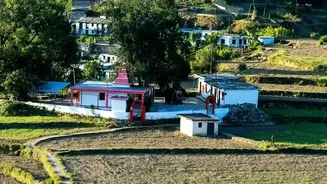
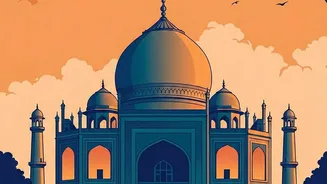
Travel in 2027 is also about looking backwards. Heritage tourism, which focuses on historical sites, cultural traditions, and ancestral roots, is a fast-growing segment of the market. Modern travellers are seeking more than just a photo; they want authentic, immersive experiences that offer a deeper understanding of a place and its people. This trend moves beyond simply visiting museums to include interactive experiences like guided cultural walks, learning traditional crafts, or community-based storytelling. There's a strong desire to connect with history in a tangible way, whether it's exploring the ruins of ancient civilisations in Greece or visiting a family's ancestral village. This demand for authenticity is reshaping tours and itineraries to focus on genuine connection over superficial sightseeing.
6. Anti-Optimisation: Ditching the Schedule
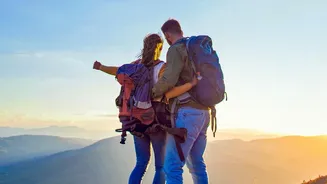
Have you ever returned from a holiday feeling like you need another one? The 'anti-optimisation' trend is a direct response to that feeling of vacation burnout. After years of trying to 'holiday-max' by squeezing in as many activities as possible, travellers are now embracing a more spontaneous approach. According to one recent survey, 78% of people feel a truly restorative holiday means ditching the strict schedule. This doesn't mean no planning at all; instead, it's about planning differently—booking a few key experiences and leaving large windows of time for unstructured exploration, unexpected detours, and simply being in the moment. It's a shift from a checklist-driven trip to one that prioritises rest, freedom, and the joy of discovery without the pressure to do it all.