

Ayodhya's Deepotsav is more than a festival; it's a breathtaking spectacle of light and faith. For tourists, it offers a unique chance to witness a city transformed by millions of lamps, ancient traditions, and modern celebrations.
A Record-Breaking Sea of Light
The main attraction
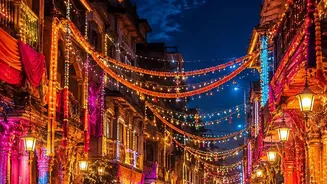
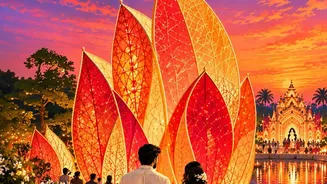
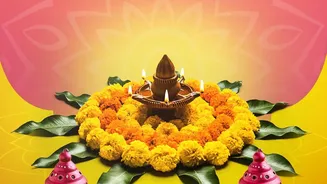
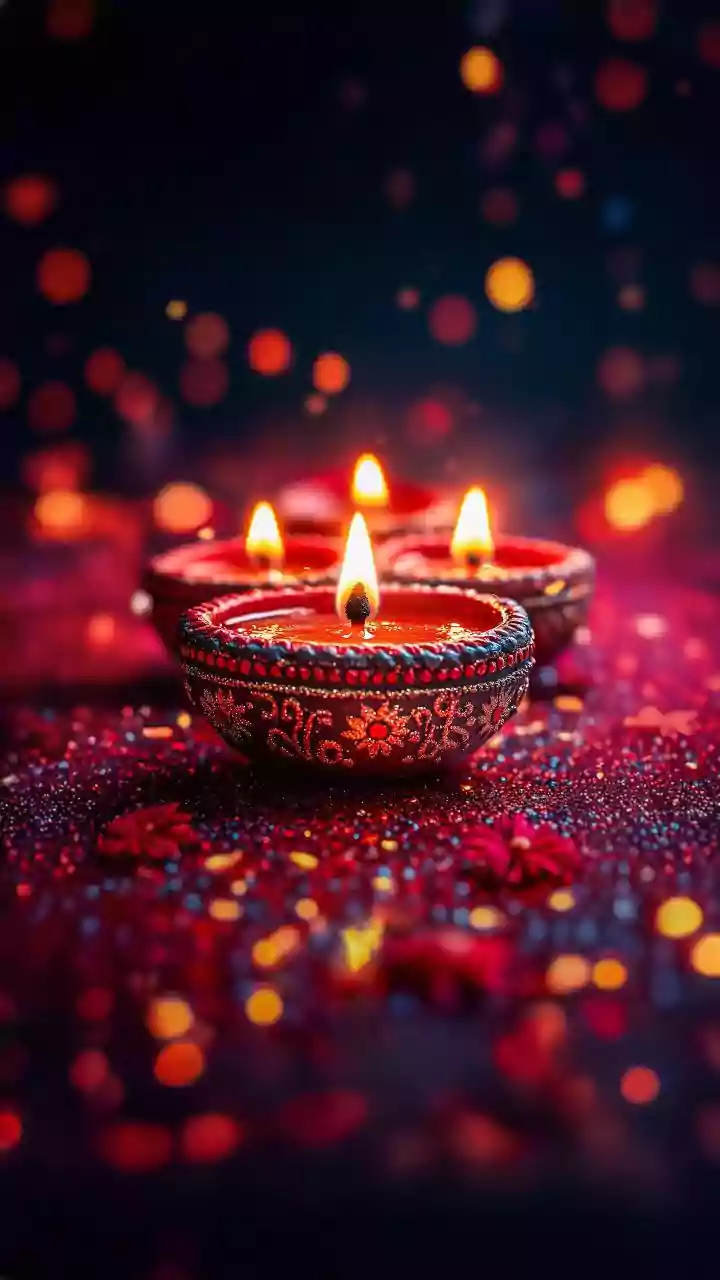
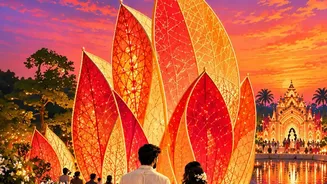
for any visitor is the awe-inspiring display of lights on the evening of Deepotsav, scheduled for November 7, 2026. On this day, the banks of the Saryu River, especially at Ram Ki Paidi, will be illuminated by millions of earthen lamps, or diyas. Organisers aim to light nearly 30 lakh (3 million) diyas this year, continuing the tradition of setting a new world record. Thousands of volunteers work to arrange and light these lamps across 56 ghats, creating a flowing river of light that is truly a once-in-a-lifetime sight. This stunning visual spectacle is the heart of the Deepotsav experience, symbolising the return of Lord Ram to Ayodhya.
Beyond the Diyas: A Cultural Extravaganza
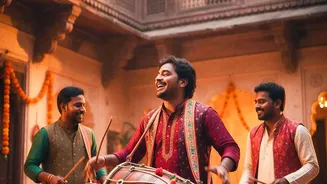
While the diyas are the main event, Deepotsav is a multi-day festival brimming with cultural activities. Tourists can witness grand Shobha Yatras (processions) with tableaus depicting scenes from the Ramayana, which travel from Saket College to Ram Katha Park. The celebrations also include Ramlila performances by both local and international troupes, devotional music, and classical dance recitals. A major highlight is the use of modern technology to tell ancient stories. Expect to see a spectacular drone show, with over 2,000 drones creating formations from the Ramayana in the night sky, alongside laser shows and 3D hologram projections over the Saryu.
The Spiritual Heart of the Celebration
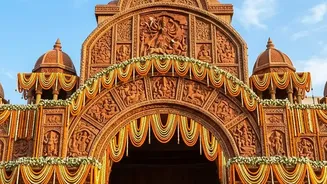
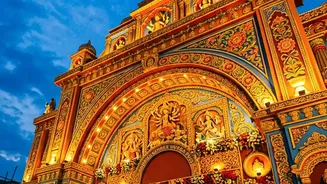
For many, a trip to Ayodhya during Deepotsav is a spiritual pilgrimage. The festival commemorates Lord Ram's return after a 14-year exile, a story that represents the triumph of good over evil. The grand Saryu Maha Aarti, performed at dusk with thousands of participants, is a deeply moving experience. The entire city, including the newly consecrated Ram Janmabhoomi Temple, Hanuman Garhi, and Kanak Bhawan, is decorated and illuminated, creating a powerful atmosphere of devotion and celebration that envelops visitors. It's a chance to see Ayodhya's sacred sites in their most festive and radiant state.
Navigating Ayodhya: A Tourist's Guide
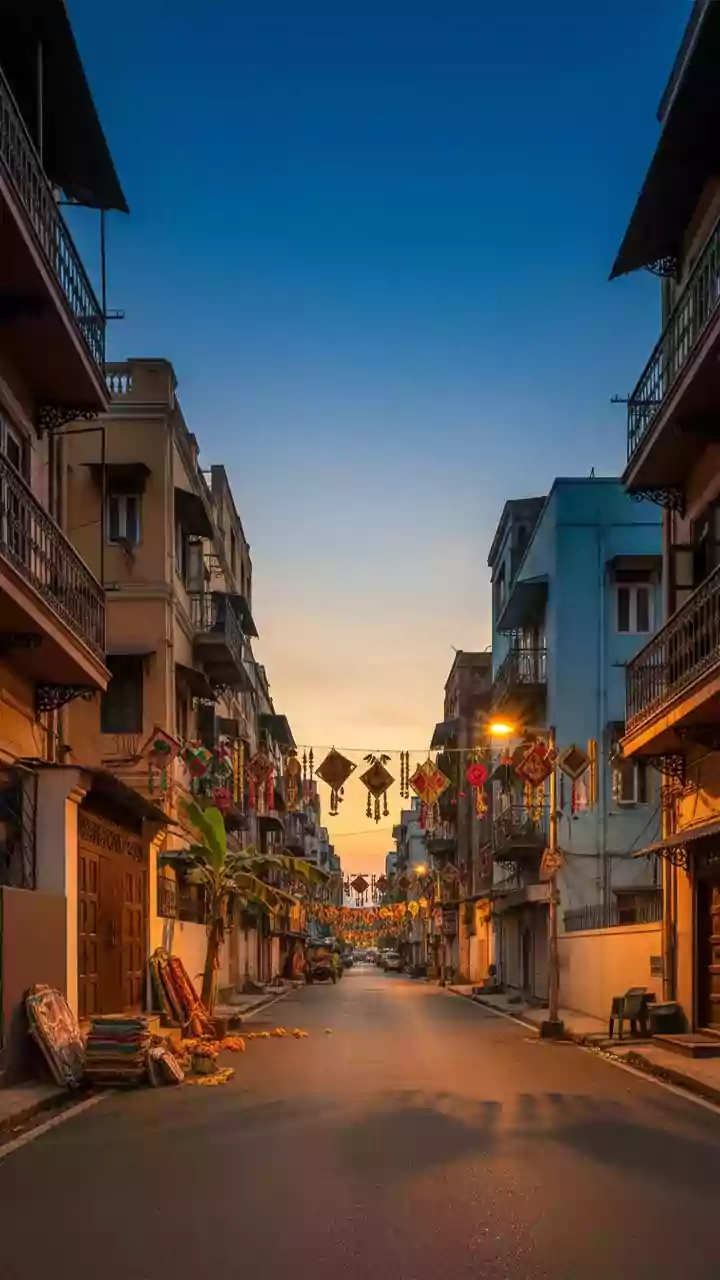
Attending Deepotsav requires careful planning due to the massive crowds. Accommodation should be booked months in advance, as hotels are in high demand. The Uttar Pradesh State Tourism Development Corporation (UPSTDC) often offers special tour packages that include hotel stays, meals, and guided tours of the main sites. On the days of the festival, expect significant traffic restrictions and be prepared to do a lot of walking. For the best view of the diya lighting, arrive at Ram Ki Paidi or the Saryu ghats well before sunset. The city also enhances its infrastructure for the event with new food courts, shaded viewing galleries, and selfie points to improve the tourist experience.
Exploring the City's Heritage
While Deepotsav is the main draw, a visit offers the perfect opportunity to explore Ayodhya's rich heritage. A trip to the magnificent Ram Janmabhoomi Temple is essential for most visitors. Other important sites include Hanuman Garhi, a temple dedicated to Lord Hanuman located atop a hill; Kanak Bhawan, gifted by Kaikeyi to Sita; and Dashrath Mahal, the palace where Lord Ram is believed to have spent his childhood. These historical and spiritual landmarks provide deeper context to the celebrations and allow tourists to connect with the city's timeless narrative.