


What is the 'Planetary Parade'?
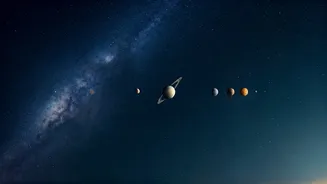
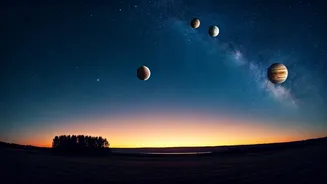
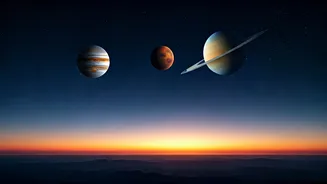
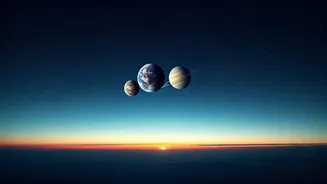
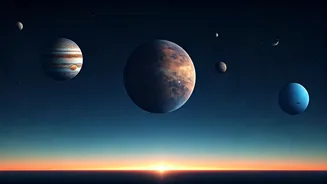
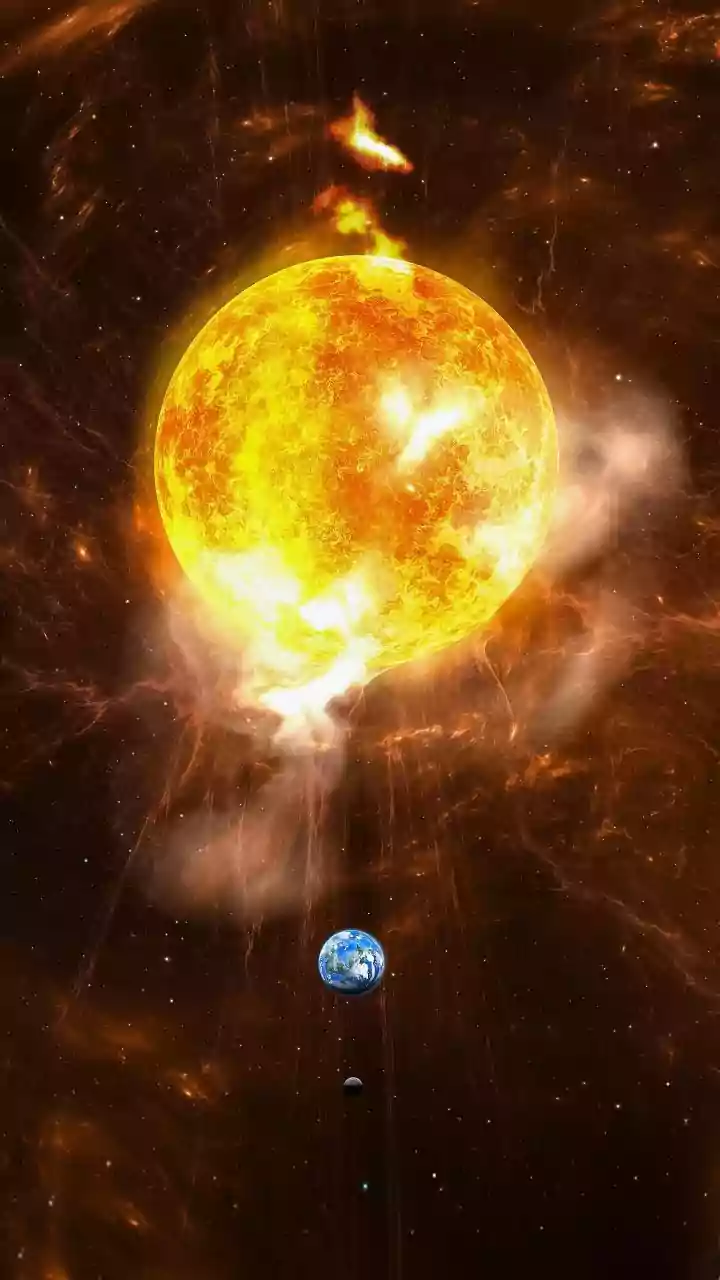
The major astronomical event gracing our skies is a planetary alignment, often called a 'planetary parade'. This month, six planets in our solar system—Mercury, Mars, Jupiter, Saturn, Uranus, and Neptune—will appear in the same section of the sky. While
they won't be in a perfectly straight line like beads on a string, they will be gathered in a loose procession across the celestial stage. Such alignments are a matter of perspective; the planets aren't physically close to each other in space, but from our vantage point on Earth, they appear to cluster together. This makes for a unique and memorable viewing experience, as it’s not every day you can spot so many of our celestial neighbours at once.
Your Guide to Watching the Alignment
The key to catching this spectacle is timing. The best viewing window is in the pre-dawn hours, approximately 60 to 90 minutes before your local sunrise. You’ll need to face the eastern horizon, where the sun will eventually rise. The planets will be strung out in a diagonal line. Saturn will rise first, followed by Neptune, Mars, Jupiter, and finally Mercury. The good news? You won't necessarily need a fancy telescope for the whole show. Saturn, Mars, Jupiter, and Mercury will be bright enough to be seen with the naked eye. Jupiter will be particularly brilliant, making it an easy anchor point to start your search. Saturn will have a distinct yellowish hue, while Mars will be recognisable by its reddish glow.
Do I Need a Telescope?
While four of the six planets are visible without equipment, you will need a bit of help to spot the other two. Uranus and Neptune are much fainter and more distant, making them invisible to the naked eye. A good pair of binoculars will be essential if you want to try and locate them. Uranus will be situated between Mars and Jupiter, while Neptune will be between Saturn and Mars. Using a stargazing app on your phone can be a game-changer here. Apps like Star Walk, SkyView, or Stellarium can help you pinpoint the exact location of each planet in real-time by simply pointing your phone at the sky. They can help you distinguish the faint pinpricks of Uranus and Neptune from the surrounding stars.
Tips for the Best Viewing Experience
To make the most of this celestial event, preparation is key. First, find a location with a clear, unobstructed view of the eastern horizon. The less light pollution, the better. If you live in a city, try to get to a park, a rooftop, or the outskirts of town where the city glow is less intense. Second, give your eyes time to adjust to the darkness. It takes about 15-20 minutes for your eyes to become fully dark-adapted, which will allow you to see fainter objects. Avoid looking at your bright phone screen during this time unless you use a red-light filter mode, which many stargazing apps have. Finally, check the weather forecast. Clear skies are non-negotiable for any astronomical viewing, so keep your fingers crossed for no clouds.
What If I Miss It?
Don't worry if clouds get in the way or your alarm doesn't go off. While this specific six-planet grouping is the highlight, the planets will remain in a similar configuration for several days, though their positions will shift slightly each morning. Furthermore, June is a great month for skywatching in general. Later this month, on June 21, we have the summer solstice, the longest day of the year in the Northern Hemisphere. And Saturn will continue to be a fantastic object to view throughout the month, with its famous rings becoming increasingly visible with binoculars or a small telescope as the year progresses. This alignment is a brilliant start to a season of celestial wonders.