





The Shift from Quantity to Quality
For years, monsoon tourism in India often meant a quick, jam-packed trip to the nearest hill station. Today, a significant shift is underway. Travellers are increasingly prioritising experiences over simply checking destinations off a list. This evolution
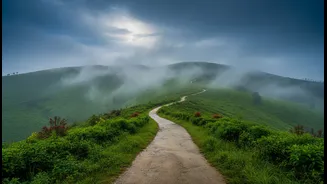
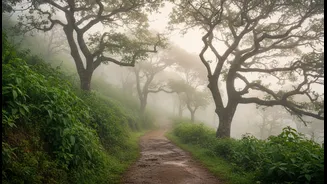
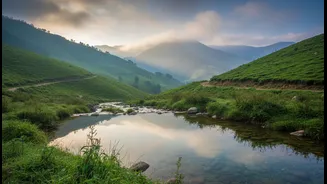
is moving away from rushed, short-term holidays towards longer, more immersive stays. The new focus is on what is being described as “slow travel,” where the richness of the experience is valued more than the number of sights seen. Instead of a chaotic weekend, travellers are opting for extended breaks, workations, and unhurried explorations that allow them to disconnect from urban burnout and reconnect with nature and themselves.
What's Driving the Change?
Several factors are fuelling this move towards mindful monsoon travel. The rise of remote and hybrid work culture has been a major catalyst, enabling professionals to blend work with leisure in serene mountain settings for weeks at a time. A FICCI and Thrillophilia survey noted that 33% of travellers now prefer working from natural settings. Furthermore, there is a growing desire for mental wellness and a digital detox, with relaxation being the primary travel motivation for a majority of Indian travellers. Many are actively seeking an escape from the congestion and overtourism that plague popular spots, especially during peak seasons. This has led to a search for quieter, less commercialised destinations where the pace of life is slower and more restorative.
Emerging Destinations and Experiences
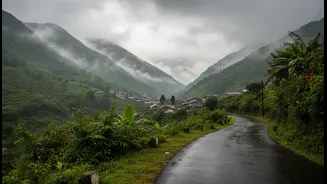
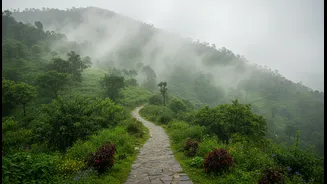
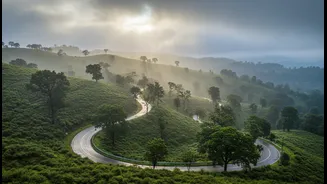
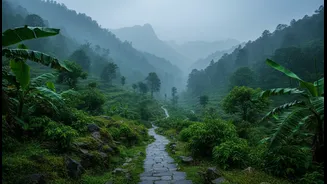
While traditional favourites like Ooty, Kodaikanal, and Darjeeling still attract visitors, there is surging interest in off-beat and spiritually inclined hill towns. Recent data shows Rishikesh and Mussoorie have seen a dramatic spike in traveller searches, with Rishikesh climbing from 18th to 3rd position in popularity. Similarly, destinations in Himachal Pradesh like Dharamshala and the Tirthan Valley, along with places like Gangtok and Srinagar, are recording significant growth in footfall. These locations offer the right blend of nature, wellness, and cultural immersion. The experiences sought are also changing, with travellers drawn to wellness retreats, yoga and meditation centres, long treks, and simply enjoying the tranquil atmosphere of a rain-drenched landscape.
How the Travel Industry is Adapting
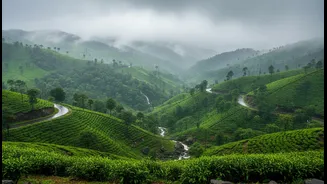
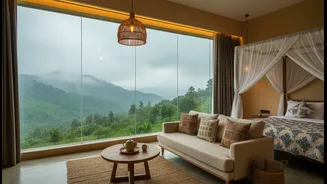
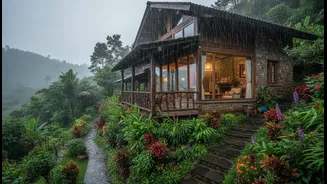
The tourism and hospitality industry is responding to this evolving demand. Travel platforms and accommodation providers are seeing a notable increase in searches for destinations associated with tranquillity and a slower pace of life. Hotels and homestays are no longer just offering a room, but curated experiences that align with the desire for quality time. This includes wellness packages, guided nature walks, and long-stay discounts designed for workationers. Even luxury travel is being redefined, with an emphasis on seclusion and unique, atmospheric experiences like staying in a plantation villa in Coorg or an eco-retreat in the Western Ghats. The focus has shifted to providing a peaceful refuge from the hustle and bustle of city life.
A More Sustainable Approach?
This trend towards slower, longer stays may also carry positive implications for sustainability. Over-tourism has placed immense pressure on the fragile ecosystems of many Himalayan and Western Ghats destinations, leading to traffic congestion, resource strain, and waste management crises. By encouraging travellers to stay longer in one place and engage more deeply with the local culture and environment, slow travel can help reduce the carbon footprint associated with frequent short trips. It fosters a more respectful and conscious form of tourism that supports local communities and helps preserve the very beauty that draws visitors in the first place, ensuring the mountains can remain a sanctuary for years to come.