







The festive season brings a familiar excitement: endless online sales and the anticipation of packages arriving at your door. But behind this annual shopping spree, a quiet revolution is reshaping how these deliveries reach you.
The E-commerce Boom Beyond Metros
For years, India's e-commerce
story was centered around major metros like Mumbai, Delhi, and Bangalore. That narrative has changed. Today, the real engine of growth lies in Tier 2 and Tier 3 cities such as Jaipur, Lucknow, Nagpur, and Coimbatore. These cities now account for over 60% of all e-commerce transactions in India. During the 2025 festive season, shoppers from Tier 2 cities and beyond made up an estimated 60-65% of all online buyers. This isn't just about more people coming online; it's about rising aspirations and purchasing power. For many in these cities, e-commerce isn't just about convenience; it provides access to brands and products that are simply unavailable in local stores.
Straining the Old System
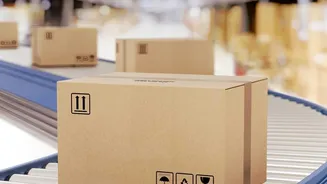
The traditional logistics model, built on large, centralized warehouses located on the outskirts of major cities, is struggling to keep up. This 'hub-and-spoke' system was designed for bulk shipments, not the high-volume, single-item orders that define e-commerce. During peak season, this model is pushed to its breaking point, leading to bottlenecks, higher freight costs, and frustrating delays for customers in smaller towns. The geographic spread of demand means that shipping everything from a distant metro hub is no longer efficient or cost-effective. Last-mile delivery, the final step from a local distribution center to a customer's doorstep, can account for over half of all shipping expenses, and this cost only increases with distance and lower delivery density.
The Rise of Hyperlocal Hubs
To solve this challenge, logistics companies are decentralizing. Instead of relying on a few massive warehouses, they are building networks of smaller, strategically located micro-fulfilment centers and 'dark stores' in Tier 2 and Tier 3 cities. Dark stores are essentially small warehouses closed to the public, designed purely for processing online orders at speed. By placing inventory closer to the end customer, companies can drastically cut down delivery times and costs. This hyperlocal approach is what powers the 10-to-30-minute delivery promises of quick-commerce platforms. This network of smaller hubs makes the entire supply chain more resilient and better equipped to handle sudden surges in demand.
Technology and Localisation as Key Enablers
This shift is powered by technology. AI-driven route optimization tools help delivery agents navigate congested or poorly marked roads in smaller towns, factoring in realtime traffic and even temporary market closures. Advanced warehouse management systems ensure these smaller hubs are restocked efficiently, preventing stockouts of popular items. Companies are also adopting franchiseled models and partnering with local Kirana stores, creating a more distributed and costeffective delivery network. This not only helps in scaling operations quickly but also leverages local knowledge for more efficient lastmile delivery, overcoming challenges like confusing addresses and ensuring someone is home to receive the package.
The Economic Ripple Effect in Smaller Cities
The establishment of these logistics hubs is having a significant positive impact on the economies of smaller cities. It creates local jobs, not just for delivery personnel but also in warehouse management, logistics, and tech support. The demand for GradeA warehousing and industrial parks is attracting investment, spurring infrastructure development in these regions. This move helps reduce the economic disparity between metros and nonmetros, fostering industrial growth and creating a more balanced national logistics network. By bringing employment and investment, logistics firms are becoming key drivers of economic activity, transforming these cities into vital nodes of the new digital economy.