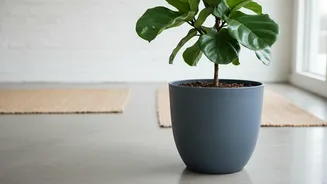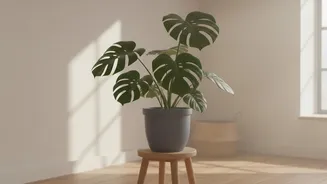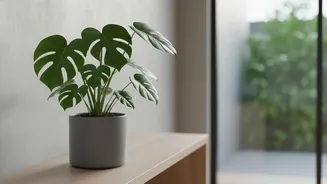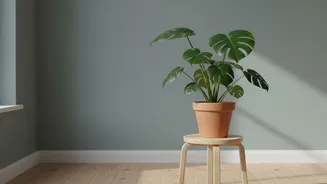



Establish a Quarantine Zone
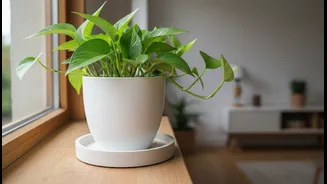
The first step is creating a “separate start” for your new arrival. This means keeping the plant physically isolated from your existing collection, ideally in a different room. Pests like fungus gnats can fly, while others like spider mites can travel
short distances between plants. Placing a new plant on the same shelf as your others does not count as a meaningful quarantine. A spare room, a bathroom counter, or even a sheltered spot on a balcony will work, as long as it prevents contact. This separation gives you time to spot any hidden issues before they can spread.
Perform a Thorough Initial Inspection
Before you even place the plant in its quarantine spot, give it a detailed inspection. Examine the tops and undersides of all leaves, the stems, and the leaf axils (where leaves meet the stem). You are looking for common hitchhikers like mealybugs (which look like small white cottony spots), spider mites (which create fine webbing), and scale insects (which appear as small brown bumps). Also, check the surface of the soil for any signs of movement, which could indicate fungus gnat larvae. Using a magnifying glass or your phone’s camera can help you spot minuscule pests that are invisible to the naked eye.
Clean the Plant and Consider Repotting
A gentle welcome bath can do wonders. Gently spray or wipe down the leaves with a damp cloth to remove dust, debris, and potential pests. This also improves the plant's ability to photosynthesize. While you shouldn't rush to repot, as this can cause transplant shock, there are times it's a good idea. If the soil it came in seems overly soggy or you suspect pests are hiding in it, repotting with fresh, clean soil can eliminate eggs that may be overwintering. Always use a clean pot to avoid transferring any lingering diseases.
The Quarantine Period: Watch and Wait
The standard quarantine period is between two and four weeks. A two-week period is often enough to spot fast-breeding pests like spider mites, but a longer four-week period is safer for catching those with longer life cycles, like mealybugs. During this time, care for the plant as you normally would, providing appropriate light and water. Inspect it at least once a week, repeating the detailed leaf and stem checks. Yellow sticky traps can be placed near the plant to catch any flying pests like thrips or fungus gnats.
Know How to Act if You Find Pests
Finding a pest during quarantine isn't a disaster; it's the system working. For small infestations, you can often manually remove the pests with a cotton swab dipped in rubbing alcohol or by wiping them off with a cloth. For more widespread issues, a spray made of insecticidal soap or neem oil is a great first line of defense. These are generally safe for most plants and effective against common pests. Be sure to spray all surfaces of the plant, including the undersides of the leaves. Always treat the plant while it remains in isolation.
The Green Light: Introducing Your New Plant
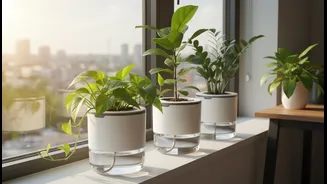
If your new plant has made it through the two-to-four-week quarantine with no signs of pests or diseases, congratulations. It's now ready to join the rest of your collection. To be extra cautious, you can introduce it slowly. Place it near your other plants—but not touching them—for a final week of observation before giving it a permanent spot in the group. This ensures it has fully acclimated and that no dormant issues have suddenly appeared. Once it passes this final test, you can proudly display your healthy new addition.