






What is Ambali?
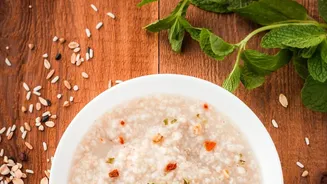
Ambali, also known as Ragi Ambali or Ragi Java, is a traditional beverage with deep roots in South Indian states like Karnataka, Andhra Pradesh, and Telangana. At its heart, it's a simple gruel made from finger millet (ragi) flour, which is cooked and then
left to ferment, often overnight. This crucial fermentation step gives the drink its characteristic mild tangy flavour and a host of health benefits. Traditionally, it was the fuel for farmers and labourers, providing sustained energy for a long day's work. It can be served savoury, mixed with buttermilk, salt, and spices like green chillies and ginger, or sweet with a bit of jaggery. This versatility is part of its timeless appeal.
A Nutritional Powerhouse Rediscovered
The resurgence of Ambali is directly tied to a modern obsession with wellness. Finger millet itself is a nutritional titan—a gluten-free grain loaded with calcium, iron, and fibre. In fact, ragi has one of the highest calcium contents among all cereals. But the real magic lies in the fermentation. This ancient process transforms the porridge into a probiotic-rich food, fostering beneficial bacteria like Lactobacillus that are essential for gut health. These probiotics aid digestion, can help reduce inflammation, and support a robust immune system. Fermentation also breaks down phytic acid, an anti-nutrient in millet, which makes minerals like iron and calcium more easily absorbed by the body.
The Perfect Antidote to Summer Heat
There's a reason Ambali has been a summer staple for generations. According to Ayurveda, ragi is considered to have a natural cooling effect on the body, helping to balance excess heat. Served cold, often mixed with cooling buttermilk, it's an incredibly effective and hydrating drink for scorching weather. As temperatures rise, our bodies crave foods that are light, digestible, and replenishing. Ambali fits this description perfectly. Unlike heavy, oily foods that can leave you feeling sluggish, this cooling porridge offers sustained energy and helps maintain the body's fluid levels, making it the ideal beverage to beat the heat.
From Rural Staple to Urban Elixir
For years, Ambali was viewed as a humble, rustic food. Its journey into the chic, minimalist world of urban cafes is a story of cultural rediscovery. As city dwellers increasingly seek authenticity and a connection to their roots, ancient recipes are finding a new, appreciative audience. This trend is part of a larger movement that sees value in ancestral wisdom and traditional food systems. Consumers are looking beyond fleeting global fads and turning inward to India's own superfoods. Ambali, with its simple preparation and profound health benefits, represents a return to wholesome, sustainable eating, making it a perfect fit for the conscious consumer of today.
The Modern Cafe Makeover
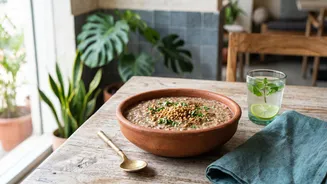
While the soul of Ambali is traditional, its presentation is getting a contemporary refresh. Cafes are serving this fermented drink in stylish glassware, garnishing it with fresh mint or adding modern flavour twists. This aesthetic upgrade makes it more approachable and Instagram-worthy for a younger clientele that values both health and presentation. By placing Ambali alongside kombucha and kefir, cafes are positioning it as India's answer to the global fermented drink trend. It's a celebration of local culinary heritage, repackaged for a new generation that is eager to embrace foods that are both good for them and good for their Instagram feed.