



The Philosophy of ‘Andaz’
In many Indian kitchens, the most important tool isn’t a measuring cup; it’s ‘andaz’, an Urdu word that translates to estimation or personal style. This concept is the heart of traditional cooking. It’s a philosophy born from resourcefulness, where cooks
learned to adapt based on what was available in the larder. It’s about understanding the role of an ingredient rather than its exact quantity. This intuition-led approach is possible because the Indian pantry is built on durable, long-lasting staples like lentils, rice, flour, and spices. Instead of panicking when a specific ingredient is missing, the principle of andaz encourages a cook to ask: what else do I have that can serve a similar purpose? This mindset transforms cooking from a rigid science into a creative practice.
Decoding the Dal Drawer
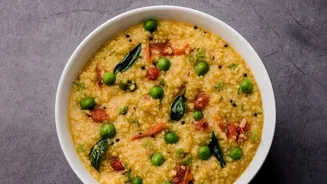
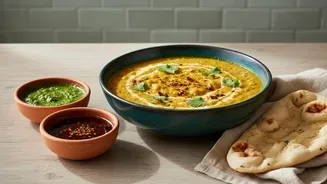
To a novice, a shelf full of different dals (lentils or split pulses) can be intimidating. To the experienced cook, it’s a palette of possibilities. While each dal has a unique flavour and texture, many are interchangeable, a fact that makes daily cooking much more flexible. For example, split pigeon peas (toor dal) and split chickpeas (chana dal) can often be used in place of one another, though cooking times may vary slightly. Similarly, quick-cooking red lentils (masoor dal) and petite yellow lentils (mung dal) can be swapped to create creamy, comforting dishes. The key is to understand their properties: some, like chana dal, hold their shape, while others, like masoor, break down into a smooth consistency. Knowing this allows you to choose a dal based on the desired texture of the final dish, not just what a recipe dictates.
The Spectrum of Spice and Sour
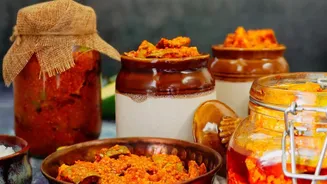
Running out of a specific spice doesn't mean your dish is doomed. Indian cooking offers a wide spectrum of substitutes for its essential flavours. The most important balance is often between pungent, earthy, and sour notes. If you're out of carom seeds (ajwain), a pinch of dried thyme can provide a similar aromatic lift. No garam masala? A mix of coriander, cumin, cinnamon, and black pepper can create a comparable warm, aromatic base. The same flexibility applies to souring agents, which are crucial for cutting through richness. If you don't have dried mango powder (amchur), you can achieve a similar tang with tamarind paste, kokum, or even a generous squeeze of lemon juice added at the end of cooking. Each substitute brings its own subtle character, which is part of the creative process.
The Any-Vegetable Sabzi
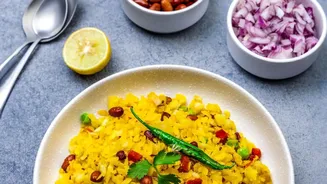
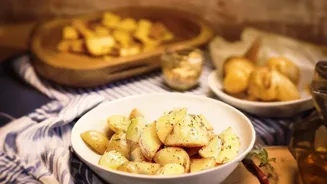
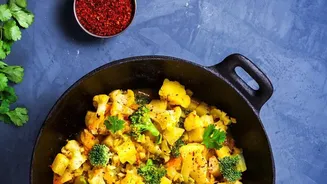
Many traditional Indian vegetable dishes, or sabzis, are templates rather than strict recipes. The technique—often involving tempering spices in hot oil (a tadka), sautéing onions and tomatoes, and adding ground spices—is more important than the specific vegetable used. This is why you see recipes that can be made with nearly any seasonal vegetable, from potatoes and cauliflower to pumpkin and beans. A recipe for Aloo Gobi (potato and cauliflower) can easily become Aloo Beans if that's what you have on hand. A simple stir-fry technique works for everything from cabbage to bell peppers. This approach not only reduces food waste but also naturally aligns your cooking with the seasons, ensuring you’re always using produce at its peak flavour and nutritional value.