









Inspect Your Tyres and Brakes
Your tyres are the only part of your car in direct contact with the road, making them critical for safety on wet surfaces. Before you begin, check that your tyres have adequate tread depth; a minimum of 3mm is recommended for monsoon driving to prevent
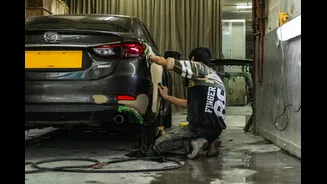
hydroplaning. You can use a coin to get a rough idea: if the tread is too shallow, it's time for a replacement. Ensure all five tyres, including the spare, are inflated to the manufacturer's recommended pressure. Under-inflated tyres can increase the risk of skidding on wet roads. Equally important are your brakes. Test them at a slow speed before your trip. Listen for any squeaking or grinding sounds, which could indicate worn brake pads. Driving through water can reduce brake efficiency, so if you traverse a water-logged patch, gently tap the brakes a few times afterwards to help dry them out.
Maximise Your Visibility
Heavy rain drastically reduces visibility. Your first line of defence is a functional set of windshield wipers. Check the rubber blades for cracks or hardness; if they leave streaks or make a chattering noise, replace them immediately. Top up your windshield washer fluid, using a proper cleaning solution rather than plain water to help clear oily residue from road spray. Next, check all your vehicle's lights: headlights (both high and low beams), tail lights, brake lights, and indicators. Ask a friend to help you confirm that your brake lights are working. Clean, bright lights are essential for you to see the road and for other drivers to see you. Finally, ensure your air conditioning is working correctly. A functional AC system is the quickest way to defog your interior windshield and windows, which is a common issue in humid monsoon weather.
Under the Bonnet Checks
A quick look under the bonnet can prevent a breakdown in the middle of nowhere. Check essential fluid levels, including engine oil, coolant, and brake fluid, ensuring they are between the minimum and maximum marks. The battery is another crucial component, as humidity and cold can affect its performance. Make sure the terminals are clean, free of corrosion, and securely connected. If your battery is more than a few years old, it might be wise to have it tested by a mechanic before a long journey. Also, give the belts and hoses a visual inspection for any signs of cracks or wear, as a snapped belt can bring your trip to an abrupt halt.
Assemble a Monsoon Emergency Kit
While you hope not to use it, having an emergency kit is non-negotiable. For the monsoon season, your kit should be tailored to wet conditions. Include a first-aid kit, a powerful flashlight with extra batteries, and reflective warning triangles. Add jumper cables, a basic tool kit, and a tow rope. It's also smart to pack a waterproof poncho, a blanket, and extra non-perishable snacks and water in case of long delays. A portable phone charger or power bank will ensure you can call for help if needed. Keep all your essential documents like the car's registration certificate, insurance, and your driving license in a waterproof pouch.
Smart Driving in the Rain
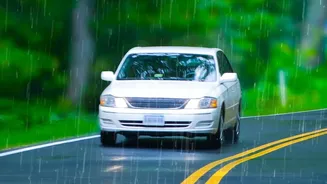
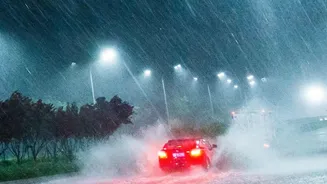
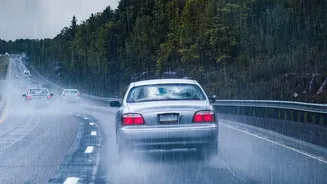
Preparation extends to how you drive. Always check the weather forecast before you leave and be prepared to alter your route to avoid severely affected areas. On the road, reduce your speed and increase the following distance between you and the vehicle ahead; braking distances are longer on wet roads. Avoid sudden braking or sharp turns, as this can cause you to skid. Be extremely cautious of waterlogged roads. It's best to avoid driving through standing water, as you can't be sure of its depth or hidden hazards. If you must cross a shallow patch, drive slowly and steadily in a low gear to keep the engine revs high and prevent water from entering the exhaust. Never attempt to cross water that is higher than the bottom of your car's doors.