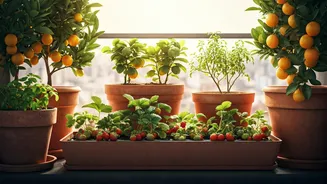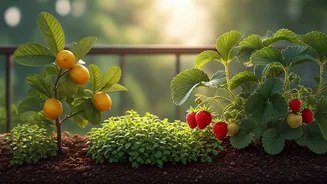




More Than Just A Plant
A fruit tree on a balcony is a small revolution. It’s a step towards sustainability, a source of unparalleled freshness, and a powerful tool for mental wellness. The simple act of caring for a plant, watching it grow, and eventually harvesting its produce
can reduce stress and create a calming daily ritual. In an urban environment, where green space is a luxury, your balcony can become a productive ecosystem, improving air quality and offering a tangible connection to nature. It’s about the quiet joy of picking a lemon for your morning tea or a guava for an afternoon snack, knowing you grew it yourself. This isn't just gardening; it's cultivating a lifestyle of mindfulness and simple pleasures.
Choosing Your Balcony Champion
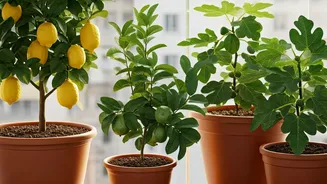
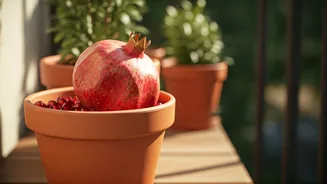
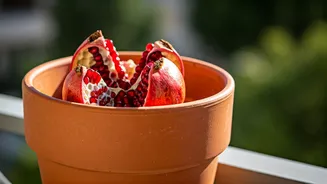
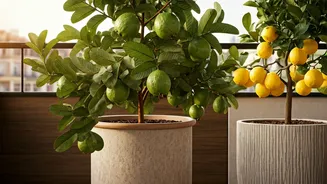
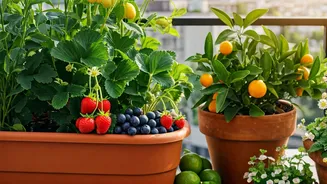
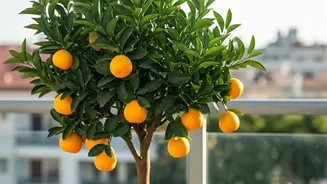
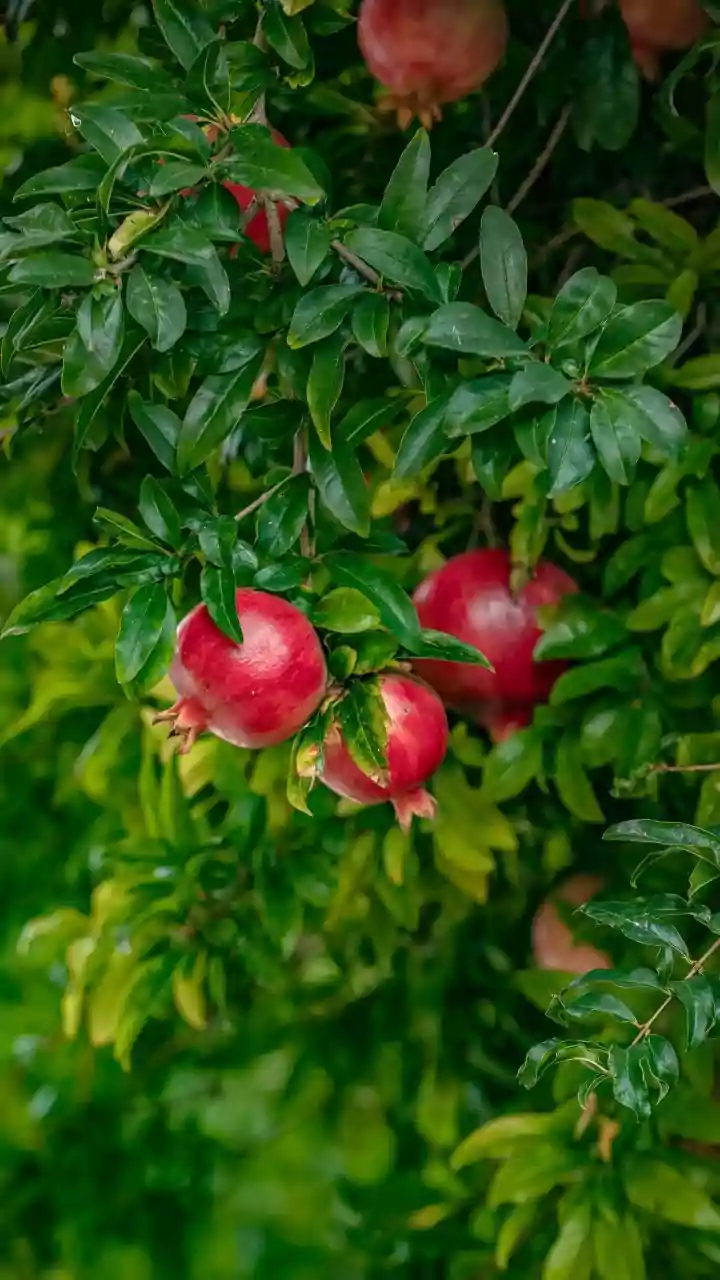
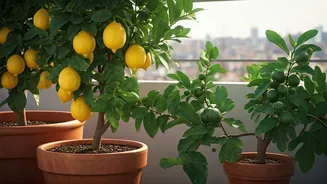
The key to success is choosing the right tree. Look for dwarf, semi-dwarf, or grafted varieties, as they are bred to thrive in containers. Here are a few excellent choices for Indian balconies: Lemon (Nimbu): A 'Baramasi' or Kagzi lemon is a fantastic start. They fruit and flower year-round, are relatively low-maintenance, and adapt well to pots, ensuring a constant supply of fresh vitamin C. Guava (Amrood): Varieties like Allahabad Safeda or grafted Thai types remain compact but are incredibly productive. They love the sun and, with regular pruning, can yield a surprising amount of fruit in a container. Pomegranate (Anar): The 'Bhagwa' variety is ideal for pots due to its naturally compact size. It offers the double benefit of vibrant red flowers before producing delicious, high-value fruit. Fig (Anjeer): Often called one of the easiest container fruit trees for India, varieties like 'Poona Fig' are forgiving and yield sweet fruit with minimal fuss, making them perfect for beginners.
Setting Up For Success
Your tree's home is critical. Start with a pot that is at least 15-20 inches in diameter; you can always repot into a larger one as the tree grows. Ensure the container has plenty of drainage holes at the bottom to prevent root rot. Ordinary garden soil is too heavy for pots and can compact easily. Instead, use a well-draining potting mix. A great DIY mix for Indian conditions includes garden soil, cocopeat (to retain moisture), and vermicompost or well-rotted cow dung manure for nutrients. Adding a handful of neem cake powder can help with pest prevention and provide essential minerals. Before filling, you can place a few broken pieces of a clay pot over the drainage holes to prevent the soil from washing out.
The Ritual of Care and Feeding
Fruit trees need consistent care. Sunlight is non-negotiable; most varieties require at least six hours of direct sun daily to produce fruit. A south or west-facing balcony is ideal. Watering is a balancing act. The soil should be kept consistently moist but not waterlogged. A good rule is to water thoroughly whenever the top inch or two of soil feels dry to the touch. Be prepared to water more frequently during hot summer months. For feeding, a balanced approach works best. Use a compost-rich fertiliser or add animal manure once a month during the growing season. Fertilizers rich in potassium are key for promoting flowers and fruit rather than just leafy growth. You can also refresh the top 2-3 inches of soil with fresh compost every year to replenish nutrients.
Patience, Pruning, and Pests
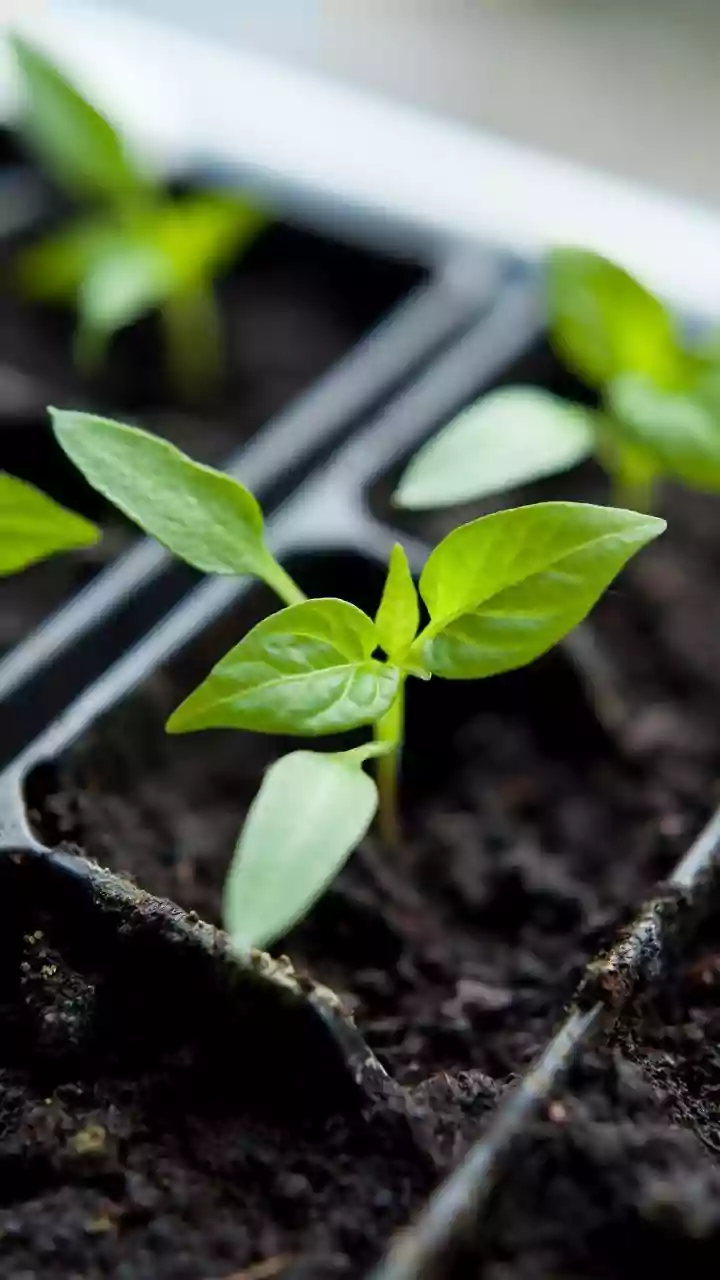
Growing fruit takes time. Grafted trees are much faster than seed-grown ones, but you can still expect to wait a year or two for your first significant harvest. Pruning is essential for container trees; it helps maintain a manageable size, encourages new growth (which is where fruit often appears), and allows for better air circulation to prevent disease. For pests, vigilance is key. Regularly check the leaves for common issues. Many can be managed with a simple spray of neem oil solution, an organic and effective method. Don't be discouraged by initial setbacks. Each tree has its own rhythm, and learning its needs is part of the rewarding process.