




The End of the Off-Season
For decades, the Indian hospitality industry operated on a predictable cycle: peak demand during summer and winter holidays, with a significant lull during the monsoon months from June to September. That calendar is now being rewritten. Major hotel groups
and travel platforms are reporting a significant uptick in monsoon travel, transforming what was once a quiet period into a bustling mini-season. Hospitality firms have noted double-digit growth in bookings for leisure destinations compared to previous years. Radisson Hotel Group, for example, saw July 2026 bookings pacing nearly 10% ahead of the previous year, highlighting a fundamental shift towards year-round travel. This sustained interest means hotels are maintaining stronger pricing power, avoiding the deep discounts that were once standard for the rainy season.
Meet the New Monsoon Traveler
Driving this change is a new kind of traveler, one whose motivations go beyond seeking sunny skies. The widespread adoption of remote and hybrid work is a primary catalyst. Over 65% of Indian travelers now actively seek destinations that blend work with a peaceful environment. This has fueled the rise of 'workations' and 'bleisure' trips, where professionals extend business travel for leisure or relocate their home office to a scenic spot for weeks at a time. Instead of one long annual holiday, many are now taking four to six shorter getaways spread throughout the year, fitting travel around their work schedules. This flexibility allows them to travel during non-traditional periods like the monsoon, drawn by lush landscapes and a quieter atmosphere.
From Misty Hills to Greener Coasts
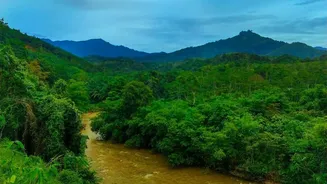
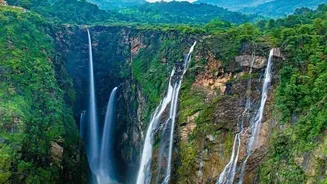
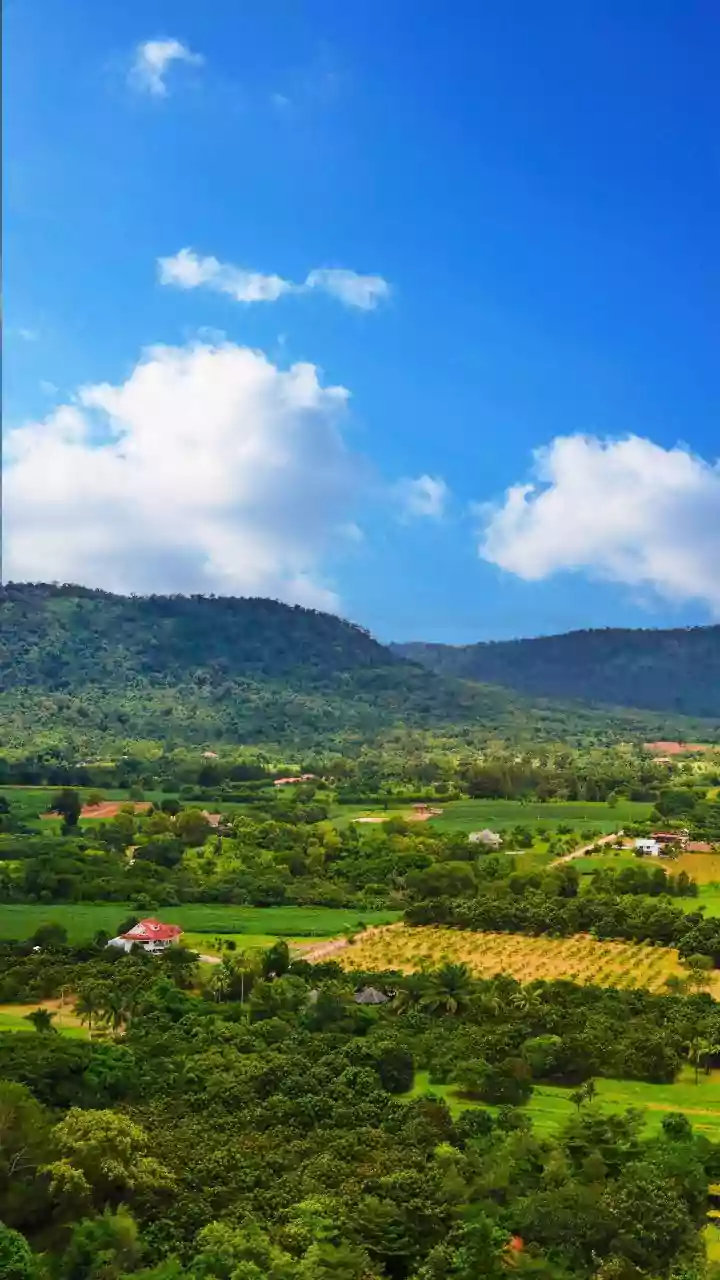
This trend isn't confined to one region. While established destinations like Goa and Kerala have always held some monsoon appeal, demand is now booming across a wider map. Hill stations such as Mussoorie, Munnar, Kodaikanal, and those in the Nilgiris are seeing a significant jump in bookings from travelers seeking cooler climates and nature-based experiences. In the north, destinations like Kasauli and Nainital are also drawing crowds. Even spiritual hubs like Rishikesh and Varanasi are recording steady footfall, proving their all-weather appeal. The key attractions are the transformed landscapes—verdant, mist-covered, and dramatic—offering a different kind of beauty than the typical peak-season sunshine.
How the Industry Is Adapting
Hotels and travel companies have been quick to respond to this emerging demand. Many are no longer treating the monsoon as a season to simply wait out. Instead, they are actively marketing it. Travel platforms are running dedicated monsoon sales, offering discounts and curated packages to entice travelers. Hotels are designing experience-led stays, focusing on wellness retreats, spa packages, and indoor activities that complement the weather. In destinations like Goa, where hoteliers once slashed prices dramatically, the strategy has shifted to sustaining rates by highlighting the unique charm of a rainy seaside vacation. This proactive approach helps create a more stable, year-round revenue stream, reducing the industry's reliance on just a few peak months.
What This Means for Your Next Trip
For travelers, this evolving landscape presents both opportunities and new considerations. The good news is that there are more options than ever for a mid-year getaway. The monsoon offers a chance to see popular destinations in a new light, often with fewer crowds than in peak season. However, the concept of a cheap 'off-season' deal is fading. While prices may still be lower than in December or May, the discounts are not as steep as they once were. Planning a monsoon workation is also more viable than ever, with improved internet connectivity in many tourist towns. Travelers are increasingly prioritizing experiences, from attending local festivals to wellness programs, making the season itself part of the attraction.