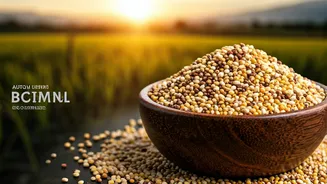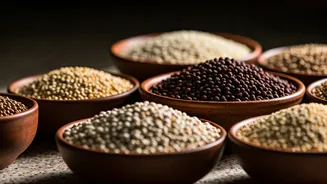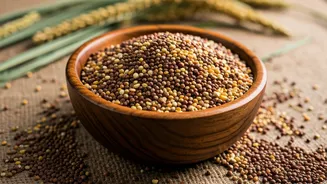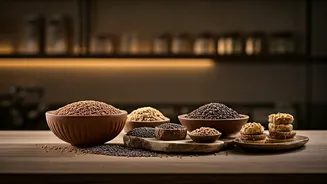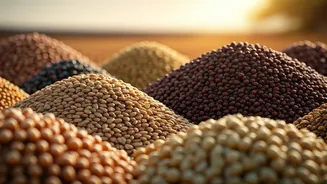



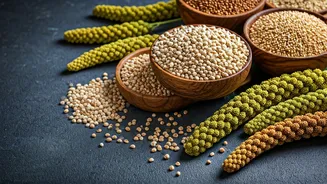
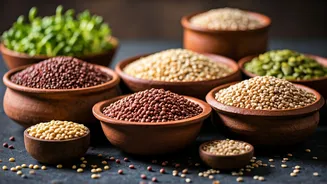


The Resurgence of an Ancient Grain
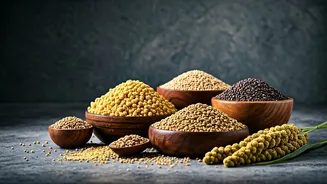
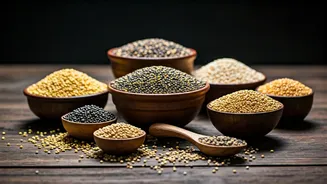
For centuries, millets like jowar, bajra, and ragi were central to the Indian diet. [9, 14] However, they were gradually sidelined by wheat and rice. Now, the tide is turning. A global push for healthier and more sustainable food choices has brought these
tiny but mighty grains back into the spotlight. [18] The United Nations declaring 2023 as the International Year of Millets, an initiative spearheaded by India, gave them a massive platform, highlighting their role in nutrition and food security. [6, 8] This global recognition, combined with a growing wellness wave within India, has cemented their place on modern menus, from home kitchens to high-end restaurants. [6, 19]
A Nutritional Powerhouse
So, why are nutritionists and health enthusiasts so excited about millets? The answer lies in their dense nutritional profile. [22] Millets are naturally gluten-free, making them an excellent choice for those with sensitivities. [3] They are packed with dietary fibre, which aids digestion, promotes a feeling of fullness, and helps in weight management. [5, 18] Furthermore, they have a low glycemic index, which means they release energy slowly and help regulate blood sugar levels, a significant benefit for managing diabetes. [18, 22] Each millet also offers unique advantages: Ragi is a calcium champion great for bone health, bajra is rich in iron to combat fatigue, and jowar is loaded with antioxidants. [2, 3]
Good for You, Good for the Planet
The appeal of millets extends beyond personal health to planetary well-being. These are climate-smart crops. [18] Compared to rice and wheat, millets are incredibly hardy; they are drought-resistant and require up to 70% less water to grow. [13, 18] They can thrive in poor soil conditions with minimal need for chemical fertilizers and pesticides. [9, 14] This resilience makes them a sustainable agricultural choice, especially in a world facing climate change and water scarcity. [24] By choosing millets, consumers support a farming system that is less demanding on the environment and helps enhance biodiversity. [9, 24]
A Millet for Every Meal
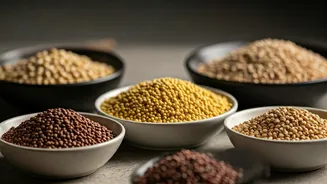
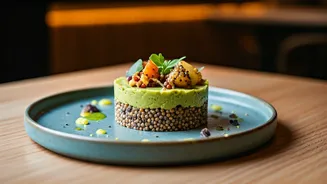
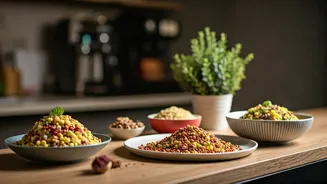
One of the best things about millets is their versatility. They are not just for making traditional rotis or bhakris. [19] You can start your day with a creamy millet porridge, enjoy a fluffy millet pulao for lunch, or bake with millet flour for healthier cakes and bread. [10, 25] Different types of millets lend themselves to various preparations. Foxtail millet has a delicate texture perfect for upma, while barnyard millet can be used to make idlis and dosas. [10, 14] Creative chefs and home cooks are now using millets in salads, burgers, and even desserts like ragi halwa or kheer, proving that healthy eating can be delicious and exciting. [7, 10, 15]