






Mumbai: The Spectacular Epicentre
No city celebrates with the sheer scale and energy of Mumbai. The festival, a public spectacle popularised here by Lokmanya Tilak, transforms the city with thousands of pandals. The most famous is Lalbaugcha Raja, known as the 'one who fulfills wishes,'
drawing millions of devotees who wait in long queues for a glimpse. Other iconic stops include the gold-adorned GSB Seva Mandal idol and Mumbaicha Raja, known for its grand, landmark-inspired themes. The festival culminates in the massive Visarjan (immersion) processions at Girgaon Chowpatty and Juhu beach, where the city bids a lively, emotional farewell to Ganesha.
Pune: The Traditional Stronghold
As the city where Lokmanya Tilak first organised a public Ganeshotsav in 1893, Pune’s celebrations are steeped in history and tradition. The city honours the 'Manache Ganpati,' five revered idols that lead the immersion procession in a specific order. This includes the Kasba Ganpati, Pune's presiding deity, and Tambdi Jogeshwari. Unlike Mumbai's glamour, Pune focuses on cultural programmes, historical reverence, and disciplined processions featuring dhol-tasha drum troupes. Visiting the pandals in the old city’s peth areas offers a glimpse into a celebration that has preserved its cultural roots for over a century.
Hyderabad: A Tradition of Grandeur
Hyderabad is famous for one thing above all during Ganesh Chaturthi: colossal idols. The city is home to the legendary Khairatabad Ganesh, which for decades has been one of India's tallest Ganesha idols, often soaring over 60 feet. Established in 1954 with a one-foot idol, the pandal now attracts millions. The ten-day festival is celebrated with immense fervour, blending Deccan artistry into the pandal designs. The celebration concludes with a massive immersion procession to Hussain Sagar Lake, a spectacle that brings the entire city to a standstill.
Goa: A Quiet, Eco-Conscious Celebration
In Goa, Ganesh Chaturthi, locally known as 'Chovoth,' is a quieter, family-centric affair, vastly different from the public spectacles in Maharashtra. The focus here is on traditions rooted in nature. A key feature is the 'Matoli,' a wooden canopy decorated with seasonal, local fruits and vegetables hung above the Ganesha idol. Many families still craft their own small clay idols at home, fostering a personal and eco-friendly celebration. The festival is deeply tied to the harvest, with the season's first grains offered to the deity. It’s a peaceful, intimate version of the festival, centred on home and community.
Bengaluru: The Eco-Friendly Innovator
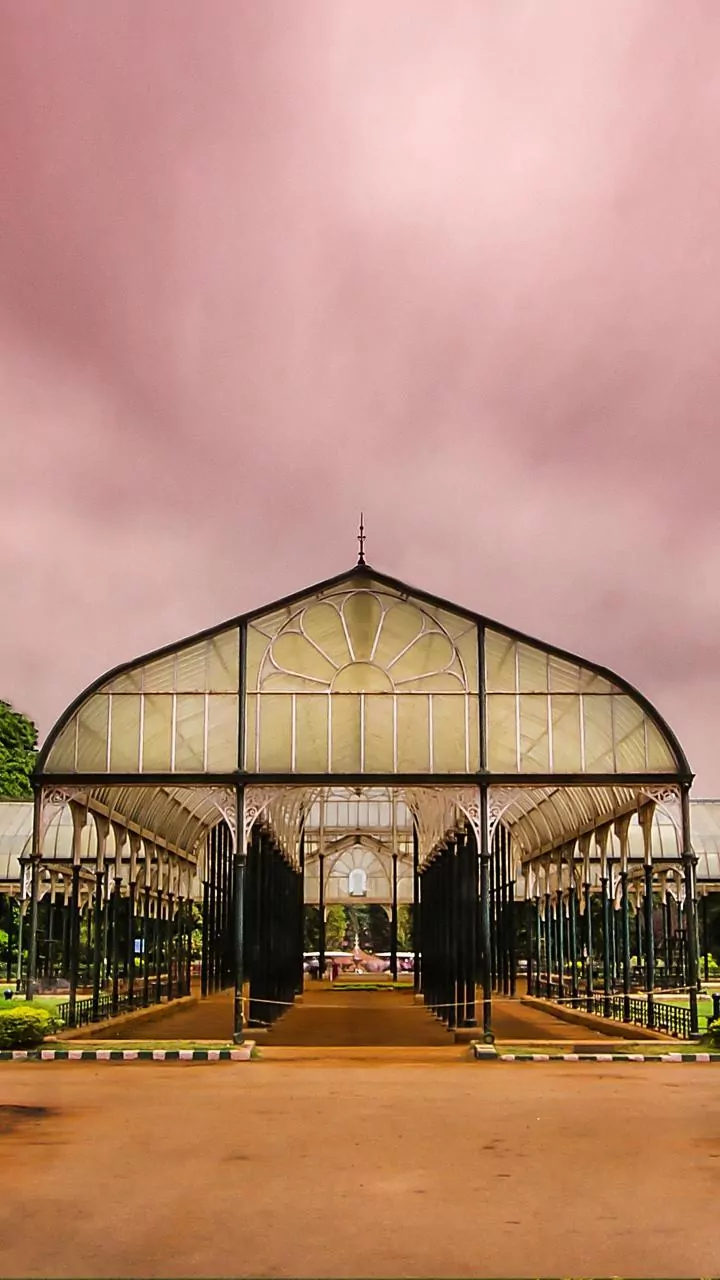
Bengaluru has emerged as a hub for eco-conscious Ganesh Chaturthi celebrations. Amid growing environmental awareness, the city has championed the use of clay idols and natural materials, moving away from plaster of Paris. Many communities and apartment complexes organise workshops for children to make their own idols. The city is also known for its themed pandals and zero-waste initiatives, such as the long-running Bengaluru Ganesh Utsava, which this year features a 21-foot idol made of bamboo, grass, and clay. Home immersions in buckets of water are also popular, with the clay-infused water later used for plants.
Chennai: A Flair for Artistic Idols
While not as widespread as in Maharashtra, Chennai’s Ganesh Chaturthi celebrations are marked by incredible artistry and creativity. The city's pandals are known for crafting large, unique idols from unconventional materials. In recent years, gigantic idols have been made from thousands of brass lamps, seashells, biscuit packets, and even books. These installations often carry social or cultural messages and become major attractions, drawing crowds to witness the innovative fusion of devotion and art. The celebrations showcase a distinct Tamil flair, adding another layer to the festival's diversity.
Kanipakam: The Temple of the Growing Idol
For a purely temple-centric experience, Kanipakam in Andhra Pradesh offers a unique perspective. The Varasiddhi Vinayaka Temple here is famous for its self-manifested, water-bound Ganesha idol that is believed to be continuously growing in size. Instead of ten days, the temple celebrates with a grand 21-day Brahmotsavam festival starting on Ganesh Chaturthi. Thousands of pilgrims visit not for street pandals but to witness the rituals at this ancient shrine, which is also considered a place of divine justice. It highlights a different, deeply spiritual dimension of the festival, centred around a single, miraculous idol.