



Find the Perfect Spot
The first step is observation. Before you buy a single seed, watch the light in your chosen area. Most vegetables and flowering plants need at least five to six hours of direct sunlight each day. If you have a south-facing balcony, you're in luck, as it
likely gets strong sun. An east-facing spot is great for morning light, while a west-facing one gets intense afternoon heat, which might require a shade net for delicate plants. Also, consider convenience. A spot near a water source will make your life much easier. Starting small in a visible location helps you stay connected to your plants' daily needs.
Prepare Your Foundation: The Soil
Good soil is the secret to a successful garden. For container gardening, which is ideal for beginners, never use heavy garden soil by itself. It compacts easily, preventing proper drainage and suffocating roots. Instead, create a light, nutrient-rich potting mix. A reliable formula for beginners is one part garden soil, one part compost (like vermicompost or well-rotted cow manure), and one part cocopeat. This blend holds moisture without becoming waterlogged, provides essential nutrients, and keeps the soil airy for healthy root growth. Always choose pots with drainage holes to prevent root rot, one of the most common beginner mistakes.
Choose Easy-to-Grow Plants
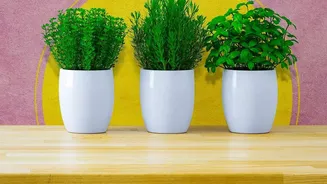
Build your confidence by starting with resilient plants that are known to thrive in Indian climates. For a kitchen garden, herbs like mint (pudina) and coriander (dhaniya) are fantastic choices as they grow quickly. Vegetables such as tomatoes, chillies, spinach (palak), and okra (bhindi) are also very forgiving for first-timers. If you're more interested in flowers, marigolds are hardy and can handle the summer heat, while jasmine is a fragrant and rewarding choice. By choosing easy varieties, you can enjoy early success and learn the ropes without the frustration of dealing with finicky plants.
Master the Art of Watering
Overwatering is a far more common problem for beginners than underwatering. There is no fixed schedule; the key is to check the soil first. Poke your finger about an inch into the soil. If it feels dry, it's time to water. If it feels moist, wait another day or two. Water the soil directly at the base of the plant, not the leaves, to prevent fungal diseases. It's generally best to water early in the morning so the plants can absorb moisture before the heat of the day. Water thoroughly until you see it run out of the drainage holes, ensuring the entire root system gets a drink.
Nurture and Maintain Your Garden
Once your garden is growing, a little maintenance goes a long way. About a month after planting, you can start feeding your plants. Adding a handful of compost or vermicompost to the top of the soil every three to four weeks provides a gentle boost of nutrients. Keep an eye out for pests and remove any dead or yellowing leaves to help the plant focus its energy on new growth. Regularly check on your plants, observe their changes, and don't be afraid to make adjustments. Gardening is a learning process, and every small success will make it more rewarding.