




What is an Ornamental Pineapple?
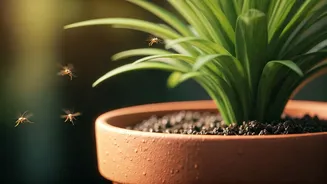
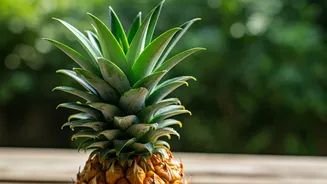
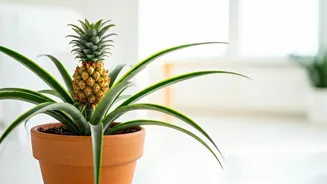
The star of the show is the dwarf pineapple plant, often a variety like Ananas comosus 'Champaca' or Ananas nanus. Unlike its larger, grocery-store cousins, this plant is grown for its looks, not its fruit. It’s a member of the Bromeliad family, featuring
a rosette of sharp, spiky leaves from which a single, tiny pineapple emerges on a stalk. These plants are prized for their decorative appeal, bringing an exotic, sunny vibe indoors. Several online nurseries in India now stock these charming plants, making them more accessible than ever for home gardeners.
The Golden Rule: Let There Be Light
Pineapple plants are sun-worshippers. To keep yours happy, it needs a bright spot that receives at least six hours of sunlight each day. A south- or west-facing windowsill is often ideal. While they love bright light, intense, direct afternoon sun in hotter Indian climates can sometimes scorch the leaves, so keep an eye out. If you notice the leaves getting scorched, move it to a spot with bright, indirect light. Not enough light can lead to a leggy plant that refuses to fruit, so don't be shy with the sunshine.
Watering Wisdom: Less is More
The most common mistake with pineapple plants is overwatering. These plants are susceptible to root rot if their soil is constantly soggy. A good rule of thumb is to let the top inch or two of the soil dry out completely before watering again. A unique feature of bromeliads is the 'cup' formed by the central leaves. In their natural habitat, this cup collects rainwater. You can pour a small amount of water directly into this cup, as well as watering the soil. Use a well-draining soil mix, like one formulated for cacti and succulents or a mix of orchid bark and compost, to ensure water doesn't pool around the roots.
But Can You Eat the Fruit?
This is the question on everyone's mind! Technically, the fruit of an ornamental pineapple is edible, meaning it is not poisonous. However, it's not grown for flavour. The fruit is often very small, fibrous, tart, and lacks the juicy sweetness of a commercial pineapple. Most growers leave it on the plant purely for its decorative value. The plant itself is monocarpic, which means it will only produce one fruit in its lifetime. After fruiting, the main plant will slowly begin to die back, but not before producing new life.
The Circle of Life: Propagating Pups
The good news is that your pineapple journey doesn't end after the fruit appears. As the mother plant declines, it will produce offshoots, known as 'pups' or 'suckers', around its base. These are essentially baby pineapple plants. Once a pup reaches a reasonable size—about a third of the size of the mother plant—you can carefully remove it. Hold the pup close to the base, twist, and pull gently. Let the pup dry for a day or two to allow the cut to callus over, which helps prevent rot. Then, you can plant it in its own pot, and in a year or two, you'll have a whole new pineapple plant ready to bring you more cheer.