







The First Price Cut of the Year
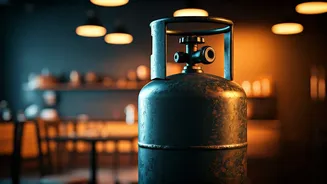
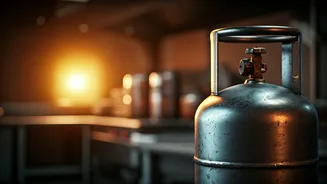
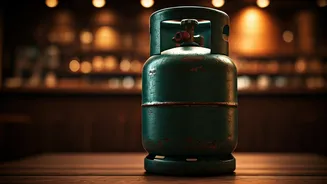
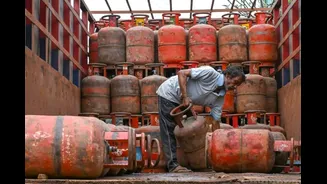
On July 1, 2026, oil marketing companies announced a reduction in the price of 19-kg commercial LPG cylinders, marking the first such cut this year. Prices were slashed by up to ₹183.50 in major cities like Delhi. For instance, the price of a cylinder in Delhi dropped
to ₹2,930 from ₹3,113.50. This move comes after a series of sharp hikes earlier in the year, which saw commercial cylinder prices increase significantly due to geopolitical tensions and global energy market volatility. While the price of domestic LPG cylinders used by households remains unchanged, this reduction specifically targets commercial establishments.
Why This Matters for Cloud Kitchens
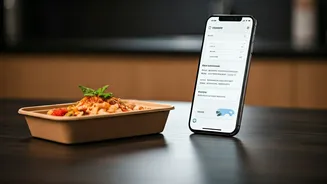
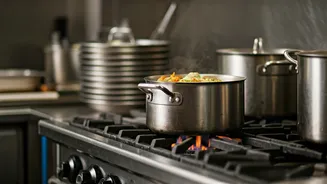
Cloud kitchens, also known as ghost or dark kitchens, are delivery-only restaurants that operate without a physical storefront. Their business model is built on lower overheads compared to traditional dine-in restaurants, as they save on rent for prime locations and front-of-house staff. However, their operational costs, particularly for cooking fuel, are immense. Unlike home cooks, these businesses rely exclusively on commercial LPG cylinders, making them highly sensitive to price fluctuations. Kitchen expenses, with LPG as a major component, are a significant part of their daily expenditure. Therefore, any reduction in fuel cost directly impacts their bottom line.
A Battle of Slim Margins
The cloud kitchen sector in India, despite its rapid growth, is notoriously challenging. Many operate on net profit margins that are often squeezed by high commissions charged by food delivery aggregators, which can be as high as 20-30% per order. Add to this the costs of raw materials, packaging, marketing, and staff salaries, and it becomes clear why even a seemingly small reduction in fuel price is significant. Reports indicate that a large percentage of cloud kitchens, especially in major metro areas, struggle with profitability, and many shut down within their first year of operation. This LPG price cut provides a 'breather', easing some of the intense cost pressure these businesses face daily.
A Welcome Break, Not a Silver Bullet
While the hospitality sector at large has welcomed the move, it's important to view it in context. The price reduction offers immediate relief but doesn't erase the steep hikes from earlier in 2026. Furthermore, fuel cost is just one of many hurdles for cloud kitchen operators. Intense market competition, the constant struggle for brand visibility on crowded aggregator apps, and managing customer acquisition and retention are persistent challenges. The dependency on delivery platforms for orders remains a structural issue that affects long-term profitability. Success in this space still fundamentally depends on offering a great product, smart financial planning, and building a strong brand identity that encourages direct orders and customer loyalty.