





What Exactly Is Hidden Hunger?
Hidden hunger is a term for micronutrient deficiencies. It occurs when people get enough calories to feel full but lack essential vitamins and minerals crucial for health, such as iron, vitamin A, and zinc. Unlike acute starvation, its signs aren't always
visible, which is why it's called "hidden." Globally, over two billion people are estimated to suffer from it. Diets that rely heavily on a few staple crops like rice and wheat can fill stomachs but often fail to provide a complete nutritional profile. The consequences are serious, leading to impaired cognitive development in children, weakened immune systems, and reduced productivity in adults, which can trap communities in a cycle of poor health and poverty.
The Power of a Diverse Harvest
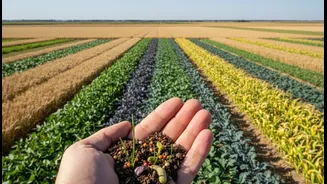
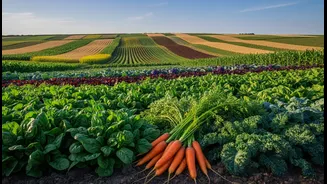
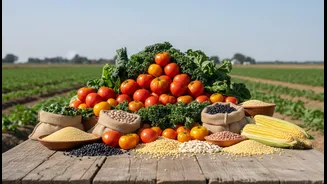
Crop diversity, or agrobiodiversity, is the variety of plants grown for food and agriculture. It includes everything from different types of grains and legumes to a wide array of fruits, vegetables, and local herbs. For decades, agricultural systems have focused on producing high yields of a few staple crops. While this boosted calorie production, it often came at the cost of nutritional variety. Promoting crop diversity is a strategy to reverse this. By cultivating a wider range of species, farming systems become more resilient to climate change and pests. More importantly for households, this diversity translates directly into a broader spectrum of available nutrients, providing a natural defence against micronutrient deficiencies.
Connecting Farms to Your Plate
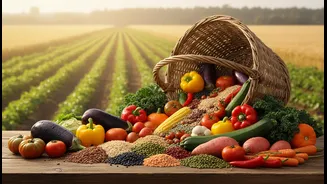
The link between what's grown and what's eaten can be direct, especially for farming households that consume their own produce. Studies have shown that when farms are more diverse, the diets of the people living there tend to be more diverse and nutritious as well. Even for those who buy their food, greater crop diversity in a region means more varied and nutrient-rich options become available and affordable in local markets. One 2021 study in India found that farmers with greater crop diversity were more resilient to the market disruptions caused by the COVID-19 pandemic, maintaining better dietary diversity. This highlights how a diverse agricultural landscape supports the nutrition security of the entire community, not just the farmers.
How to Track Your Household's Nutritional Diversity
While there isn't a single app named "Crop Diversity And Hidden Hunger," the concept refers to using specific metrics to measure this relationship. Researchers use tools like the 'Dietary Diversity Score' (DDS) and the 'Food Consumption Score' (FCS) to quantify the variety in a person's diet. You can apply the same principles at home without needing complex calculations. The goal is to track the variety of food groups you consume. A simple way to start is by keeping a food diary for a week. Note down everything your household eats and then categorize the items into groups: starchy staples (rice, wheat), legumes and nuts, dairy, meat/fish/eggs, dark leafy greens, other vegetables, and fruits. Aim to consume items from as many of these groups as possible each day.
Simple Steps to a More Diverse Diet
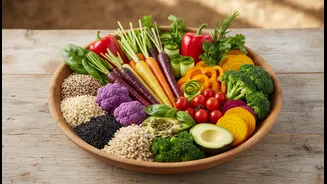
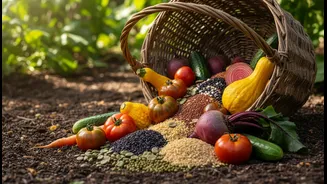
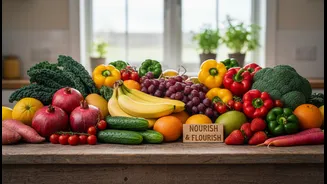
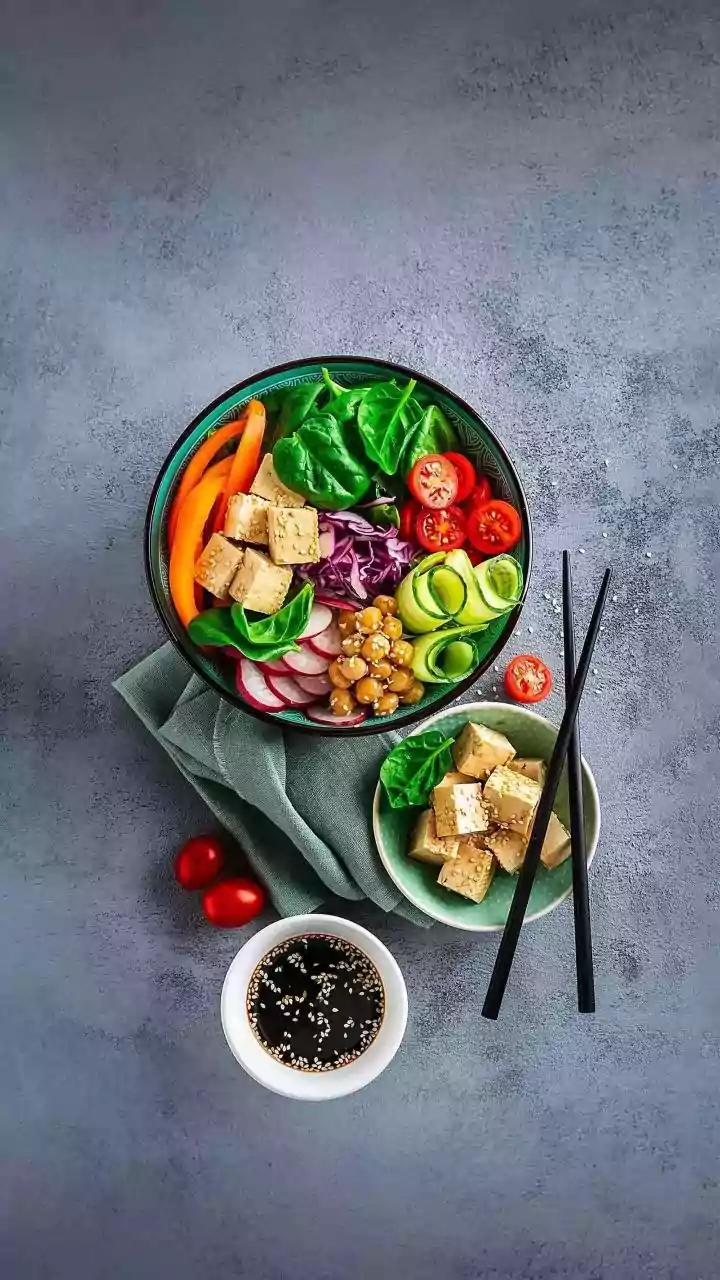
Tracking is the first step; taking action is the next. To actively improve your household's dietary diversity, focus on incorporating a wider range of foods. When shopping, consciously choose different vegetables and fruits than you normally would. Instead of relying solely on staples, try integrating millets, pulses, and local greens into your meals. Supporting local farmers' markets can also give you access to a greater variety of seasonal produce that might not be available in larger supermarkets. The principle is simple: the more colours and types of food on your plate, the wider the range of nutrients you are likely consuming. This mindful approach to eating helps ensure your diet is not just filling, but truly nourishing.