


What is a Relaxed Fit?
Think of a relaxed fit as a gentle step away from a 'regular' or 'slim' cut. The primary goal is comfort and ease of movement. A relaxed-fit garment is designed to give you more room in key areas without being baggy. For instance, a relaxed-fit shirt
will have extra space through the chest and torso, while relaxed-fit trousers will offer more room in the hips and thighs. Crucially, the garment's core structure remains intact. The shoulder seams on a shirt will still sit close to your natural shoulder line, and the overall shape will follow the contours of your body, just more loosely. The intention is subtle comfort, creating a silhouette that breathes and moves with you.
Understanding the Oversized Look
An intentionally oversized garment is a deliberate style statement that plays with proportion and volume. It's not simply a regular garment bought in a larger size. Instead, these pieces are specifically designed and cut to be dramatically larger. The most telling feature is often the dropped shoulder seam, which sits noticeably down the upper arm. This design choice, combined with wider sleeves, a much roomier chest, and often a longer hem, creates a distinct, boxy, or slouchy silhouette. The goal isn't just comfort; it's to create a bold, fashion-forward aesthetic that has its roots in '80s and '90s street style.
Key Difference: Cut vs. Volume
The fundamental difference lies in the design intent. A relaxed fit is about adding functional ease, typically a few centimetres of extra room for comfort, while preserving the garment's natural proportions. An oversized fit is about creating visual volume by altering the garment's entire structure. The quickest way to tell them apart is by looking at the shoulder seam. If it's on or very near your shoulder bone, it’s a relaxed fit. If it's clearly hanging down your arm, it's oversized. Don't make the common mistake of just sizing up on a regular-fit item to achieve an oversized look; this often results in a poor fit, with necklines that are too wide and proportions that look accidental rather than intentional.
How to Style a Relaxed Fit
Styling a relaxed fit is all about balance. Because the silhouette is looser but still structured, it’s highly versatile for everyday wear. For a polished look, pair a relaxed-fit item with something more tailored. For example, a relaxed-fit blazer or shirt looks great with slim-fit or straight-leg trousers. Similarly, relaxed-fit jeans or cargo pants can be balanced with a more fitted top to maintain a defined shape. The key is to ensure that your overall outfit doesn't look shapeless. By combining looser and tighter elements, you create a look that is both comfortable and put-together.
Mastering the Art of the Oversized
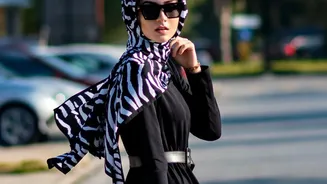
Pulling off an oversized look is about managing proportions to avoid being overwhelmed by the fabric. A widely used rule is to balance a voluminous piece with a fitted one. An oversized hoodie or blazer, for example, pairs well with leggings, skinny jeans, or a pencil skirt. You can also create definition by tucking in an oversized shirt or adding a belt to an oversized dress to accentuate your waist. Fabric choice is also important; heavier materials like high-GSM cotton or structured denim help an oversized garment drape properly and hold its shape, preventing it from looking sloppy.
Shopping Tips: Finding the Perfect Fit
When shopping, the most important rule is to stick to your actual size. For both relaxed and oversized items, the extra room is already engineered into the pattern. Buying a 'Large' in an oversized style when you are normally a 'Medium' will likely result in a garment that is far too big. Always check the product description for keywords like 'relaxed', 'oversized', 'boxy', or 'drop shoulder'. If a size chart is available, compare the garment's measurements to a similar item you already own and love the fit of. Pay close attention to the chest and shoulder measurements, as these will tell you more about the fit than the size label alone.