



1. Sabudana Khichdi from Maharashtra
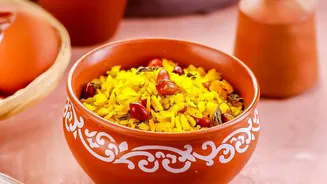
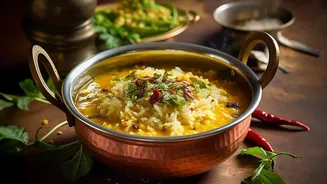
A quintessential fasting food, Sabudana Khichdi is a beloved staple in Maharashtrian households during Sawan. Made from soaked tapioca pearls (sabudana), it’s a light yet incredibly filling dish that provides a quick source of energy. The preparation
is simple but precise: the fluffy pearls are tossed with coarsely crushed roasted peanuts, boiled potato cubes, and a tempering of cumin seeds and green chillies in ghee. Seasoned with rock salt (sendha namak) and finished with a squeeze of lemon juice and fresh coriander, this dish strikes a perfect balance of soft, chewy, and crunchy textures. It has become so popular that it's now a pan-Indian fasting favourite.
2. Kuttu ki Puri with Aloo from Uttar Pradesh
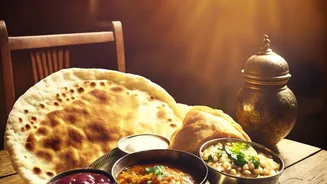
In the northern plains, especially Uttar Pradesh, Sawan fasting meals often feature hearty and satisfying combinations. Kuttu ki Puri, made from buckwheat flour, is a prime example. This gluten-free flour is kneaded into a dough, sometimes with mashed potatoes for binding, and then rolled into small discs and deep-fried until they puff up into crisp, dark-hued puris. They are typically served with a simple but flavourful potato curry, known as 'vrat wale aloo'. This sabzi is cooked without onion or garlic, seasoned with cumin, green chillies, ginger, and rock salt, allowing the humble potato to shine. The pairing turns a fasting day into a truly festive meal.
3. Farali Pattice from Gujarat
Gujarat’s contribution to the fasting menu is the delightful Farali Pattice, a snack that is both savoury and slightly sweet. These are crispy, deep-fried patties with a flavourful filling that offers a burst of different tastes. The outer layer is made from mashed potatoes bound with arrowroot flour (or other vrat-friendly flours), while the centre holds a surprise. The stuffing is a unique mixture of grated coconut, roasted peanuts, sesame seeds, raisins, and cashews, seasoned with ginger, green chillies, sugar, and lemon juice. This combination of textures and flavours—crispy outside, soft inside, with a sweet and nutty filling—makes it an irresistible snack during Shravan fasts.
4. Makhana Kheer from Bihar
Bihar is a major producer of makhana (fox nuts), and this nutritious ingredient is central to its festive and fasting cuisine. During Sawan, Makhana Kheer is a popular dessert that is both indulgent and 'satvik'. The fox nuts are lightly roasted in ghee until crisp, then simmered in milk until it thickens and becomes creamy. The kheer is delicately flavoured with green cardamom powder, sweetened with sugar, and often garnished with slivered almonds and pistachios. It’s a comforting, wholesome dessert that is light on the stomach yet rich in calcium and flavour, making it a perfect concluding dish for a vrat meal.
5. Ghevar from Rajasthan
Though technically a sweet made with refined flour, Ghevar is inextricably linked to the Sawan month in Rajasthan. Its preparation is particularly suited to the high humidity of the monsoon, which helps create its signature porous, honeycomb-like texture. A batter of flour and ghee is drizzled into hot oil to form a delicate, disc-shaped cake, which is then soaked in sugar syrup. While the plain version is a treat in itself, Ghevar is often topped with rabri (thickened sweet milk), slivered nuts, and saffron. It is especially popular during the festivals of Teej and Raksha Bandhan, which fall within Sawan, making it the season's most iconic sweet.
6. Taler Bora from West Bengal
In West Bengal, the monsoon brings with it the 'Tal', or the Asian Palmyra palm fruit. The sweet, fragrant, amber-coloured pulp of this ripe fruit is used to make Taler Bora, traditional fritters that are a seasonal delicacy. The thick pulp is mixed with rice flour, semolina, grated coconut, and a sweetener like sugar or jaggery to form a thick batter. Small spoonfuls of this batter are deep-fried until they become golden-brown, resulting in soft, spongy fritters with a unique, bittersweet taste. Often prepared as a prasad for Janmashtami, which frequently coincides with Sawan, these fritters capture the essence of the Bengali monsoon.
7. Ela Ada from Kerala
Down south in Kerala, the monsoon season is celebrated with traditional steamed delicacies like Ela Ada. This dish embodies the state’s love for coconut and rice. A soft dough made from rice flour is flattened onto a piece of banana leaf. A sweet, fragrant filling made of freshly grated coconut and jaggery, often flavoured with cardamom, is placed in the center. The leaf is then folded over and the entire packet is steamed. The steaming process allows the banana leaf to impart a subtle, earthy aroma to the dish, while keeping the inside soft and moist. It's a healthy, naturally sweet snack that perfectly aligns with the clean-eating ethos of the season.