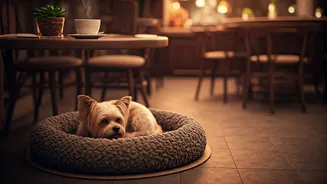









From Guard Dog to Family Member
The primary driver behind this boom is a fundamental change in our relationship with animals. Across urban India, pets are no longer just animals kept for security; they are cherished companions and integral parts of the family. This phenomenon, known
as 'pet humanisation,' has been accelerated by shifting social structures. With the rise of nuclear families, single-person households, and professionals moving to new cities for work, pets often fill a crucial emotional role, providing companionship and comfort. A 2024 report highlighted that a majority of Indian pet owners consider their pets to be family. This emotional bond means owners want to integrate their furry companions into every aspect of their lives, from where they live and work to how they socialise.
The Business of Barks and Meows
Businesses are quickly realising that being pet-friendly is not just good for morale—it's great for the bottom line. India’s pet care market is experiencing explosive growth, with spending doubling since 2020 and projected to reach over USD 7 billion by 2028. This booming market represents a powerful consumer base. Cafes, hotels, and even breweries that open their doors to pets attract a loyal clientele of owners who are often willing to stay longer and spend more, knowing their companion is welcome. For residential real estate, pet-friendly amenities are becoming a key differentiator. Developers in competitive urban markets are now incorporating features like dedicated pet parks, walking trails, and grooming stations to attract modern buyers for whom a 'no pets allowed' policy is a dealbreaker.
A Happier, Healthier Workspace
The trend is also transforming the modern workplace. Companies in cities like Bengaluru, Hyderabad, and Mumbai are increasingly adopting pet-friendly policies, with some even having resident 'office pets'. The benefits are clear: the presence of pets is shown to reduce employee stress and anxiety, boost morale, and foster natural social interaction among colleagues. For many employees, especially millennials and Gen Z, the ability to bring their pet to work is a significant perk that improves work-life balance and reduces the guilt of leaving their companions alone for long hours. As a result, pet-friendly policies are becoming a powerful tool for attracting and retaining talent in a competitive job market.
Redefining Travel and Hospitality
The desire to travel with pets is reshaping the hospitality industry. Pet-friendly accommodations in India have seen a significant jump, with one report noting an 87% increase. Hoteliers are responding by offering more than just a room. Many now provide curated pet menus, plush bedding, toys, and dedicated play areas to ensure four-legged guests are as comfortable as their human counterparts. This has fueled growth in the entire pet travel ecosystem, from specialised travel agencies to accessories like car seat belts for pets. Airlines are also slowly adapting, with some now allowing small pets in the cabin on select routes, signalling a major shift in an industry that has traditionally been difficult for pet owners to navigate.
Navigating the Challenges
Despite the momentum, the path to becoming a fully pet-friendly society has its hurdles. A primary challenge is balancing the needs of pet owners with the concerns of other people regarding hygiene, allergies, and safety. Many public spaces still lack pet-friendly infrastructure, and some businesses hesitate due to fears of disruption or a lack of understanding of what's involved. For these spaces to truly thrive, clear guidelines and etiquette are essential. This includes designated pet zones, waste disposal systems, and ensuring pets are well-behaved and socialised. It’s a learning curve that requires empathy and cooperation from pet owners and the wider community alike.