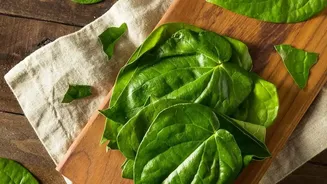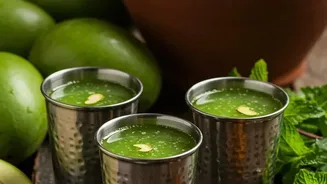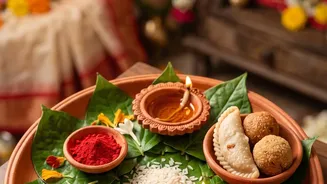


The image of a local paanwala skillfully folding a betel leaf is etched into India’s cultural memory. But what if that familiar, pungent flavour could be enjoyed not from a leaf, but from a chilled glass on a hot afternoon?
From Street Corner to Highball Glass
Across India's cafes and bars,
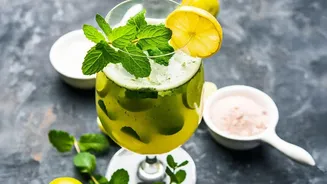
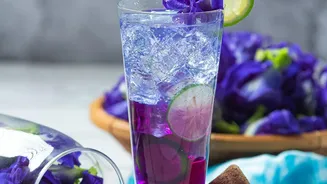
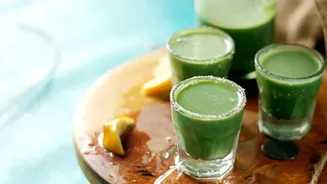
a quiet revolution is taking place in the non-alcoholic beverage space. The humble betel leaf, or paan patta, is stepping out from its traditional role as a post-meal mouth freshener and into the spotlight as a star ingredient in a new wave of creative mocktails. Bartenders and home mixologists are deconstructing the elements of meetha paan and reimagining them in liquid form. Drinks like the Paan Mojito, Paan Cooler, and creamy Paan Shots are becoming increasingly popular, offering a novel yet nostalgic flavour experience. This trend taps into a broader movement in Indian food and beverage: a growing confidence in celebrating and modernising indigenous ingredients.
What Does Betel Leaf Taste Like?
Before you imagine chewing on a leafy drink, it's important to understand what betel leaf brings to the table. The leaf itself, from the Piper betle plant, has a complex and aromatic flavour profile. It's distinctly peppery and slightly pungent, with warm, clove-like spicy notes and a hint of a medicinal, anise-like undertone. This unique combination provides a refreshing, stimulating quality without being overpowering. When used correctly in a drink, it imparts a green, herbaceous freshness that cuts through sweetness and adds a layer of sophistication. It’s this complex character that makes it so versatile for beverage innovation.
A Symphony of Companion Flavours
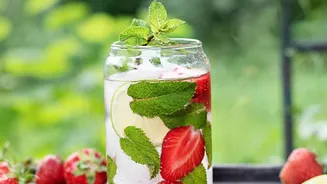
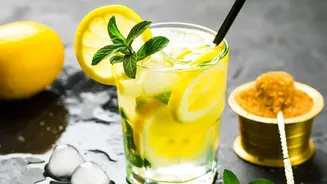
The key to a successful paan drink lies in balance. The bold flavour of the betel leaf needs complementary ingredients to soften its edges and build a harmonious taste. The most common partner is gulkand, a sweet preserve made from rose petals. Its floral sweetness beautifully counters the leaf's peppery bite. Other classic paan fillings also make an appearance. Fennel seeds (saunf) add a sweet, aromatic dimension, while cardamom provides warmth. For creamy drinks like paan shots or milkshakes, milk, yogurt, or even vanilla ice cream are used to create a smooth, dessert-like beverage. For lighter, fizzier options like a Paan Mojito, mixologists use lemon or lime juice, mint, and soda water to create a refreshing spritz.
More Than Just a Flavour Trend
The appeal of paan_based drinks goes beyond just taste. In traditional Ayurvedic practices, betel leaf is credited with several beneficial properties, most notably as a digestive aid. It is believed to stimulate the secretion of digestive enzymes, making it a fitting end to a meal. The leaves are also considered to have a cooling effect on the body, making them a natural choice for drinks in India's warm climate. Furthermore, betel leaves contain antioxidants and are traditionally used as a natural mouth freshener. While it's important to distinguish traditional beliefs from scientific proof, this cultural association with wellness and refreshment adds another layer of appeal for health_conscious consumers.
The Rise of the Modern Indian Mocktail
The emergence of paan drinks is part of a larger story about the evolution of non_alcoholic beverages in India. Once an afterthought on menus, the mocktail category is now receiving serious attention, with restaurants and bars developing sophisticated zero_proof menus. Consumers are increasingly looking for flavour_driven, well_crafted drinks that stand on their own, not just as imitations of alcoholic cocktails. This 'sober curious' movement, combined with a desire for authentic, regional flavours, has created the perfect environment for ingredients like kokum, jaljeera, and now, paan, to shine. It reflects a newfound pride in the nation's vast culinary pantry, proving that tradition can be the most exciting source of modern innovation.