






Why the Monsoon Messes with Digestion
The shift in weather during the monsoon has a direct impact on our bodies. According to Ayurveda, the rainy season, or 'Varsha Ritu', is a time when the body's digestive fire, known as 'Agni', naturally weakens. The increased humidity and dampness can
slow down metabolism, leading to feelings of sluggishness, bloating, and indigestion. This period also sees a higher risk of food and waterborne infections as the moist environment becomes a breeding ground for bacteria and viruses. Therefore, Ayurveda recommends shifting away from heavy, cold, or raw foods and focusing on meals that are warm, light, and easy to digest to support your system through the season.
Your Herbal Toolkit for Immunity
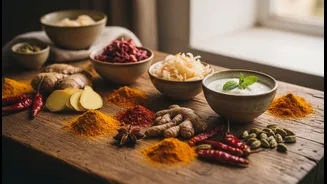
Your kitchen spice box holds some of the most effective tools for monsoon wellness. Incorporating specific herbs into your daily routine can significantly boost your body's defenses. Tulsi, the 'Queen of Herbs', is prized for its antimicrobial and antiviral properties that help combat seasonal infections. Ginger is another monsoon essential, known for its ability to fire up digestion, soothe sore throats, and reduce inflammation. Turmeric, with its active compound curcumin, is a powerful anti-inflammatory and antioxidant that supports overall immunity and gut health. Simple additions, like starting your day with a tea made from fresh tulsi and ginger, or adding extra turmeric to your dals and sabzis, can make a noticeable difference.
The Gut-Healing Power of Fermentation
Fermented foods are a cornerstone of traditional Indian diets and are especially beneficial during the monsoon. These foods are rich in probiotics—live, beneficial bacteria that support a healthy gut microbiome. A strong gut is crucial for a robust immune system. Homemade Dahi (curd) is the most accessible probiotic, helping to balance gut flora and aid digestion. Chaas (buttermilk) is a lighter alternative that soothes the stomach and helps with hydration. Other traditional fermented foods like Idli and Dosa, made from a naturally fermented batter, are not only delicious but also incredibly easy to digest, making them an excellent choice for a sensitive monsoon stomach. Incorporating these foods helps fortify your gut against the harmful pathogens that are more prevalent during this season.
Crafting the Perfect Monsoon Plate
Building a healthy monsoon meal is about embracing warmth and simplicity. The ideal meal is freshly cooked, light, and nourishing. Khichdi, a one-pot dish of rice and moong dal, is considered a perfect monsoon food because it's gentle on the stomach and provides balanced nutrition. Warm vegetable soups, steamed vegetables like lauki (bottle gourd) and turai (ridge gourd), and light dals are excellent choices. For fruits, opt for those with thick skins that offer better protection from contamination, such as pomegranates, apples, pears, and bananas. The key is to eat freshly prepared meals, as food tends to spoil faster in the humid weather.
What to Reduce or Avoid
Just as important as what you eat is what you limit. During the monsoon, it's wise to be cautious with certain foods. Leafy green vegetables like spinach and cabbage, while healthy, can be risky as they may harbour mud and microbes from contaminated soil and rainwater. It's best to cook them thoroughly if you do eat them. Street food, including chaat and pre-cut fruit salads, poses a higher risk of contamination and is best avoided. Heavy, deep-fried snacks, though tempting in the cool weather, can overburden a sluggish digestive system. Ayurveda also suggests limiting excess curd, especially at night, as it can be heavy to digest.