



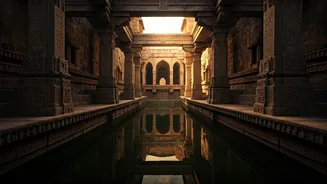


The Allure of the Abyss
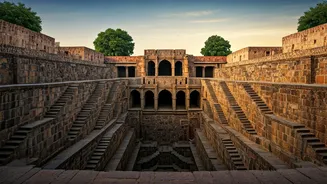
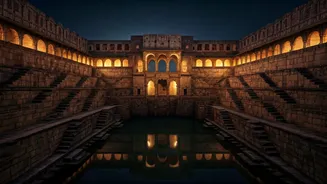
For centuries, they were marvels of engineering and community hubs—subterranean structures designed to provide year-round access to water. Known as baolis, vavs, or kunds, these stepwells are architectural wonders, defined by their intricate, repeating
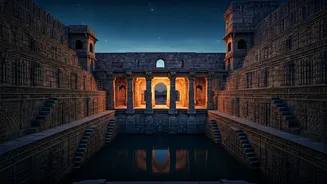
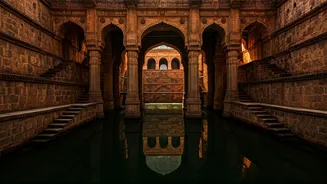
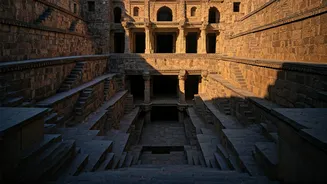
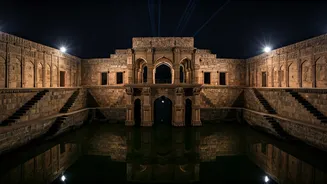
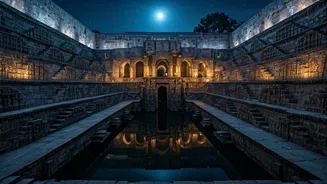
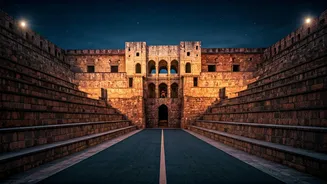
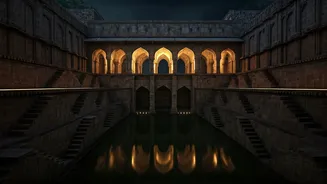
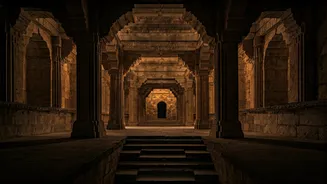
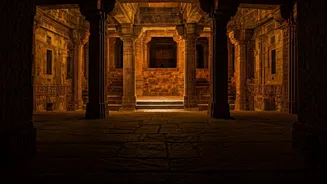
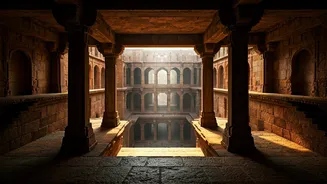
patterns of stairs and archways that carve deep into the earth. By day, they are popular historical sites. But by night, they transform. The play of shadow and minimal light accentuates their dramatic geometry, turning them into hauntingly beautiful, almost abstract landscapes. This mesmerising visual appeal is at the heart of their newfound popularity among photographers, who find the stark contrasts and deep perspectives an irresistible creative challenge.
A New Generation Reclaims History
This trend is being driven by a diverse crowd of young urbanites. Armed with everything from high-end DSLRs to the latest smartphones, they are flocking to these sites not just as tourists, but as creators. Social media, particularly Instagram, has played a pivotal role. A single, dramatic shot of a stepwell at night—stark, moody, and perfectly symmetrical—can go viral, inspiring hundreds more to seek out the same experience. It represents a fundamental shift in how a younger generation interacts with its heritage. Instead of passively observing history behind a velvet rope, they are actively engaging with it, using technology to frame these ancient spaces in a modern context and share their vision with the world.
Why the Midnight Hour?
The choice of midnight is both practical and atmospheric. Major stepwells in cities like Delhi and Jaipur are often swarmed with tourists during the day, making it nearly impossible to capture a clean, uncluttered shot. The intense Indian sun can also create harsh, unflattering light. Night offers a solution to both problems. The crowds disappear, replaced by a quiet stillness. The cooler air makes the experience more comfortable. Creatively, the darkness provides a blank canvas. Photographers can experiment with long exposures, light painting, and using portable lights to sculpt the architecture in ways that are impossible in daylight. Furthermore, many baolis, like Delhi's Agrasen ki Baoli, are shrouded in local ghost stories, and the midnight setting adds a thrilling layer of mystery and intrigue to the excursion.
From Delhi to Gujarat
While the term 'exploding' might feel strong, the trend is undeniably growing and spreading across the country. In Delhi, Agrasen ki Baoli has become an unofficial icon of the movement. In Rajasthan, the stunning, zigzagging stairs of Panna Meena ka Kund near Jaipur and the colossal Chand Baori in Abhaneri are prime locations for photography groups. Further west, in Gujarat, the ornate, five-story-deep Adalaj Vav and the grand Rani ki Vav, a UNESCO World Heritage Site, are also seeing a surge in interest from after-dark adventurers. These photo walks are often organised by local photography clubs or experienced guides who understand the locations and the specific challenges of night photography, fostering a sense of community and shared purpose among participants.
More Than Just a Photograph
Ultimately, the rise of the midnight stepwell photo walk is about more than just getting the perfect shot for social media. It's a communal experience. Participants share tips on camera settings, help each other with lighting, and bond over their shared passion for creativity and history. In a way, these modern gatherings echo the original purpose of the stepwells themselves: to be places where communities came together. By descending into these stone depths after dark, a new generation is not only capturing beautiful images but also breathing new life into forgotten spaces, ensuring their stories continue to be told in the language of the 21st century—one pixel at a time.