


The Lofoten Islands: Picture-Perfect Drama
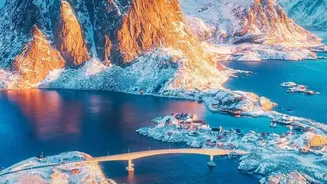
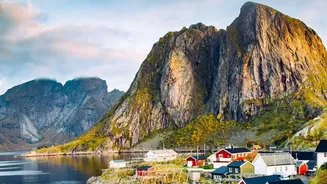
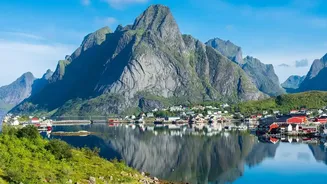
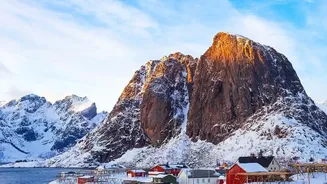
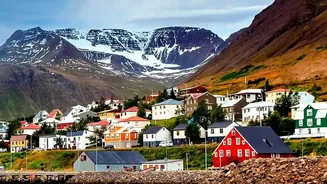
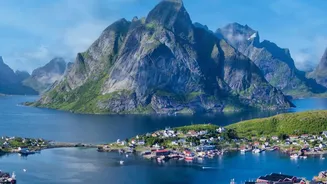
An icon of Arctic beauty, the Lofoten archipelago is where sharp, snow-dusted mountains plunge directly into the turquoise sea. This chain of islands is famous for its stunning scenery, combining dramatic peaks with sheltered bays and traditional red fishing
cabins, known as 'rorbuer', perched on stilts over the water. Lofoten is an outdoor paradise, offering world-class hiking, fishing for Arctic cod, and even surfing on the waves of Unstad beach. In summer, the midnight sun bathes the landscape in a golden glow for 24 hours a day, allowing for endless exploration. Come winter, the dark skies frequently come alive with the dancing colours of the Northern Lights, making it a year-round destination for photographers and adventurers. The main islands are connected by bridges and tunnels, making it surprisingly easy to explore by car.
Svalbard: The True Arctic Wilderness
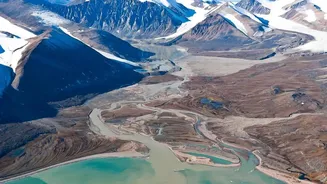
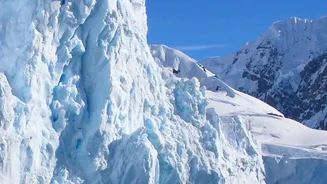
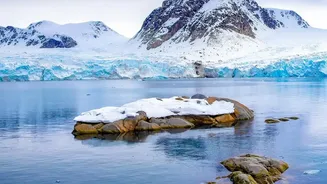
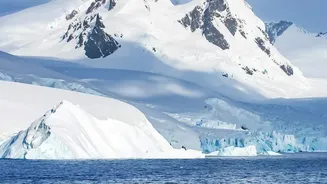
Situated halfway between mainland Norway and the North Pole, the Svalbard archipelago is a realm of ice, rock, and profound silence. This is one of the planet's last great wildernesses, home to more polar bears than people. The landscape is dominated by massive glaciers, vast ice fields, and rugged mountains. In summer, the islands are alive with migrating birds, walruses, and whales, all thriving under the constant light of the midnight sun. Winter brings the polar night, a months-long period of darkness perfect for witnessing the Northern Lights. The main settlement, Longyearbyen, serves as the base for expeditions, whether you're dog-sledding, exploring ice caves, or taking a boat trip to see glaciers calving into the sea. A visit here is a powerful reminder of nature’s raw and untamed beauty, but requires planning and guided tours for safety.
Senja: Norway in Miniature
Often called 'Norway in Miniature', Senja is the country's second-largest island and offers a stunning diversity of landscapes all in one place. The outer coast is wild and dramatic, with jagged peaks like the iconic Segla mountain rising steeply from the ocean. The inner coast, by contrast, is gentle and green, with rolling hills and peaceful farmland. Senja remains a hidden gem compared to Lofoten, offering a more tranquil experience with blissfully uncrowded hiking trails. You can drive the Norwegian Scenic Route that winds along its coastline, stopping at viewpoints like Tungeneset for its view of the 'Devil's Teeth' mountains. Activities range from kayaking in sheltered fjords and whale watching in winter to simply relaxing on a white sand beach that looks like it belongs in the tropics.
Vesterålen: The Whale Kingdom
Just north of Lofoten lies Vesterålen, an archipelago known as one of the best places in the world for whale watching. Thanks to a nutrient-rich continental shelf edge nearby, sperm whales, orcas, and humpback whales can be spotted here year-round, making it a premier destination for marine wildlife safaris. The landscape is softer and more rounded than Lofoten's sharp peaks, featuring deep fjords, extensive woodlands, and pristine white-sand beaches. The Norwegian Scenic Route on the island of Andøya offers breathtaking coastal views. Besides wildlife, Vesterålen is rich in culture, from the Coastal Express Museum in Stokmarknes to charming old fishing villages like Nyksund. It’s a less crowded alternative to its southern neighbour, perfect for those seeking both nature and authentic coastal heritage.
Sommarøy: The Summer Island
With a name that translates to 'Summer Island', Sommarøy is a small fishing island near Tromsø that feels like an Arctic paradise. It is renowned for its stunning white-sand beaches and crystal-clear turquoise waters, a sight often compared to the Caribbean but set against a backdrop of rugged Nordic mountains. For 69 days in summer, the sun never sets, creating a timeless atmosphere where locals might mow their lawn or children play on the beach at 2 AM. This unique relationship with light inspired a symbolic campaign to become the world's first 'time-free zone'. While a marketing initiative, it reflects the local lifestyle dictated by seasons, not clocks. In winter, the island transforms into a prime spot for viewing the Northern Lights, with dark skies and reflections across the water.