





What Is Electric Propulsion?
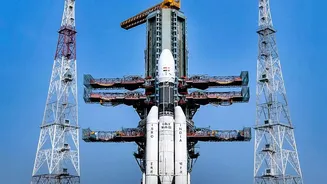
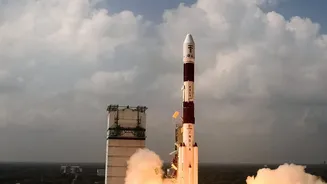
Think of conventional satellite engines as powerful sprinters. They use chemical propellants to provide a strong, quick burst of thrust, which is essential for escaping Earth's gravity. However, this method is fuel-heavy and inefficient for the small,
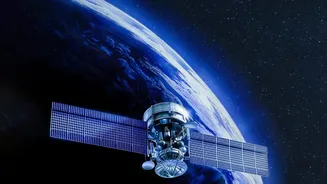
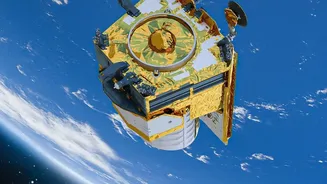
precise adjustments a satellite needs to make in orbit. Electric propulsion, on the other hand, is like a marathon runner. It uses electrical power, often generated by the satellite's solar panels, to accelerate a propellant like xenon gas. This creates a gentle but continuous thrust. While it doesn't have the brute force of a chemical rocket, its incredible efficiency means it can operate for thousands of hours, using a fraction of the fuel. This technology, often using Hall-effect thrusters, works by creating a plasma from the gas and accelerating it with electric and magnetic fields to push the spacecraft forward.
The Weight-Loss Advantage
In the world of space launches, every gram counts. A significant portion of a traditional satellite's mass at launch is its fuel. This heavy fuel load limits the amount of functional equipment—like transponders, sensors, or cameras—that can be packed on board. Electric propulsion drastically changes this equation. By being vastly more fuel-efficient, it slashes the required propellant mass. For instance, a satellite that might need 2.5 tonnes of chemical fuel for its operational life could potentially manage with just a few hundred kilograms of xenon. This massive weight saving is a game-changer. It means ISRO can either launch the same satellites on smaller, cheaper rockets or pack more advanced, heavier payloads onto existing rockets, increasing a mission's scientific or commercial value. This reduction in launch mass is a key driver for making space missions more cost-effective.
A Marathon, Not a Sprint
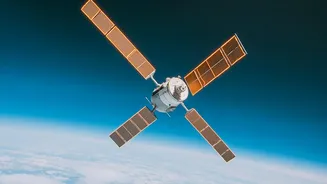
A satellite's life is often determined by how long it can maintain its correct orbit. Over time, gravitational pulls and other forces cause satellites to drift, a phenomenon known as orbital decay. Traditional satellites use their limited chemical fuel supply for 'station-keeping' manoeuvres to counteract this drift. Once the fuel runs out, the satellite's useful life is over. The high efficiency of electric propulsion allows these station-keeping adjustments to be made for a much longer period. Where a chemical system might provide an operational life of 8 to 15 years, an electric system can extend that significantly, offering a better return on investment for each launch. ISRO recently announced the successful completion of a 1,000-hour life test on its indigenously developed 300mN Stationary Plasma Thruster, a major milestone demonstrating the reliability needed for these long-duration missions.
Powering India's Future in Space
Mastering electric propulsion is not just about improving current satellites; it's a foundational technology for India's future in space. For commercial communication satellites, lighter weight and longer life directly translate to higher profitability and competitiveness in the global market. This technology will also be crucial for more ambitious missions. Deep-space probes traveling to other planets can benefit from the continuous, gentle thrust to build up high speeds over long journeys. Furthermore, this capability is essential for managing large satellite constellations, including those for navigation systems like NavIC, and for future in-orbit services like satellite maintenance and debris removal. ISRO plans to demonstrate its fully homegrown system on a Technology Demonstration Satellite (TDS-01), paving the way for its integration into future operational missions.