

A Celestial Double Feature
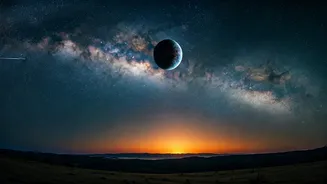
Late July is hosting a cosmic collaboration. Two separate meteor showers, the Southern Delta Aquariids and the Alpha Capricornids, are set to reach their peak activity on the same night. This alignment provides a unique opportunity to witness two different
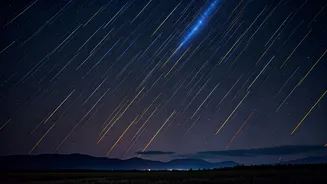
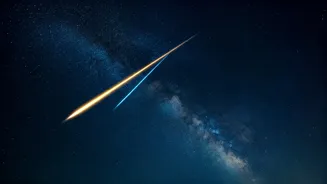
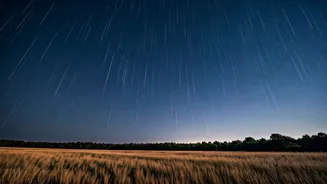
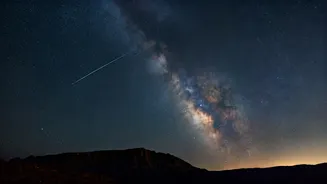
streams of celestial debris burn up in our atmosphere. A meteor shower occurs when Earth passes through the trail of dust and rock left behind by a comet or asteroid. As these tiny particles, known as meteoroids, enter our atmosphere at high speeds, they vaporise, creating the fleeting streaks of light we call meteors or shooting stars.
Meet the Cosmic Performers
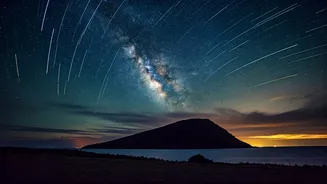
The two showers lighting up the sky have distinct personalities. The Southern Delta Aquariids, active from mid-July to late August, is the more prolific of the two. Under perfect conditions, it can produce a steady stream of up to 25 meteors per hour. These tend to be on the fainter side, rewarding patient observers with consistent flashes of light.
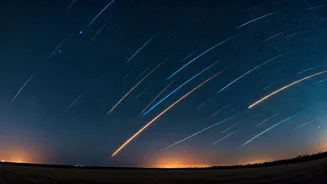
Its partner, the Alpha Capricornid shower, is a different beast entirely. Active from early July to mid-August, it produces only about five meteors per hour. What it lacks in numbers, however, it makes up for in spectacle. The Alpha Capricornids are renowned for producing exceptionally bright and sometimes colourful fireballs—large, slow-moving meteors that can leave a dazzling streak across the night sky.
The Challenge: A Bright Moon
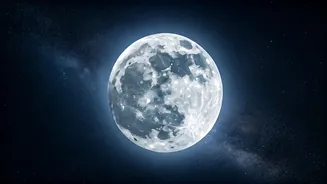
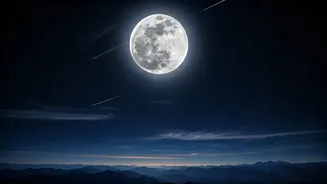
For 2026, both showers are expected to peak on the night of July 30-31. However, there's a significant catch: a very bright moon. July's full moon, known as the Buck Moon, falls on July 29. This means that on the peak night, the sky will be illuminated by a 98% full waning gibbous moon, which will wash out many of the fainter meteors. This makes viewing conditions far from ideal and will significantly reduce the number of visible shooting stars.
A Smart Viewing Strategy
So, how can you make the most of this celestial event despite the lunar interference? The key is to adjust your timing. Instead of focusing only on the peak night, astronomers suggest watching in the week leading up to it. In the days before July 30, the moon will rise later in the night. This creates a valuable window of true darkness between midnight and dawn, perfect for meteor spotting. This strategy improves your chances of seeing the steady Delta Aquariids and maybe even an early, brilliant fireball from the Alpha Capricornids in a dark, moonless sky.
Your Guide to a Perfect Meteor Watch
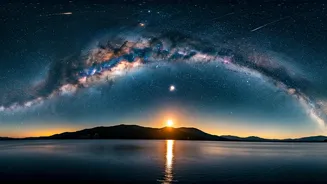
Whether you aim for the pre-peak window or brave the bright moon, a few simple tips can dramatically improve your experience. First, escape the city. Find a spot with minimal light pollution, like a rural park or open field, for the darkest possible sky. You won't need a telescope or binoculars; your naked eyes are best for taking in a wide swath of the sky. Give your eyes at least 20 minutes to fully adapt to the darkness—and that means putting your phone away. Finally, get comfortable. Lie on a blanket or a reclining chair, look up, and be patient. Meteors often come in spurts, with lulls in between.