






An Ancient Tradition, A Modern Trend
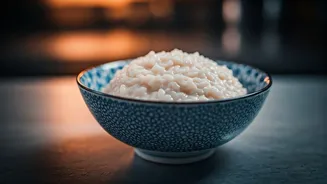
For generations, households across India have practiced the simple art of soaking leftover cooked rice in water overnight. Known by many names—Pazhaya Soru or Neeragaram in Tamil Nadu, Panta Bhat in Bengal, and Poita Bhat in Assam—this humble meal was
a farmer's breakfast, a way to prevent food waste and a source of energy. [12, 18] The slightly tangy liquid, known as 'Torani' in some regions, was consumed for its cooling and hydrating properties. [7, 9] Today, this very practice has found new life in the global wellness community, rebranded as a potent probiotic drink for gut health. [1, 2]
The Probiotic Promise
The core claim behind fermented rice water's gut-boosting power lies in the fermentation process. When rice is soaked in water for several hours (typically 8-12), naturally present microorganisms get to work. [1, 20] This process encourages the growth of beneficial bacteria, particularly Lactic Acid Bacteria (LAB) like Lactobacillus, which are well-known probiotics. [3, 7] Proponents claim that drinking this liquid introduces these live, beneficial bacteria into your gut. This can help to balance your gut microbiome, improve digestion, reduce issues like bloating and acidity, and even strengthen your immune system, as a large part of it resides in the gut. [2, 4, 15]
What Does The Science Say?
Modern science is beginning to validate this traditional wisdom. Several studies have identified a variety of probiotic strains in fermented rice, including multiple species of Lactobacillus, Leuconostoc, and Weisella. [3, 7] A 2022 study from Chennai's Stanley Medical College Hospital confirmed that consuming 'Pazhaya Soru' can protect the intestine and aid digestion due to its rich probiotic content. [20] Research has also shown that the fermentation process can increase the bioavailability of certain nutrients, such as iron, and produce beneficial compounds like short-chain fatty acids (SCFAs). [9] These SCFAs are crucial for maintaining a healthy gut lining and reducing inflammation. [1, 9] One study on patients with Irritable Bowel Syndrome (IBS) found that a fermented rice drink significantly improved abdominal bloating compared to a non-fermented version. [13, 16]
Potential Risks and Who Should Be Cautious
Despite the benefits, it's not a magic bullet for everyone. The biggest risk with homemade ferments is contamination. If not prepared hygienically, there's a chance of harmful bacteria growing instead of beneficial ones. [10, 11, 23] It's crucial to use clean utensils and filtered water. People with histamine intolerance may find that fermented foods trigger symptoms. [10] Also, since rice water is high in carbohydrates, individuals with diabetes or those on a strict low-carb diet should be mindful of their intake and consult a doctor. [11] Overconsumption could also lead to nutrient displacement, so it should be seen as a supplement to, not a replacement for, a balanced diet. [11]
How to Try It Safely at Home
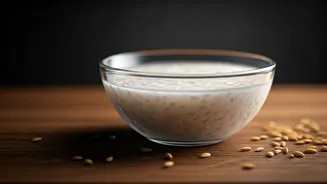
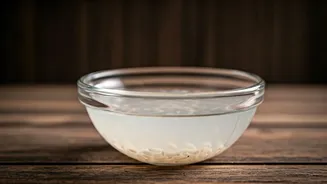
If you'd like to try this traditional remedy, the process is simple and requires no special equipment. Start with a small portion of cooked rice (any variety works, but non-aromatic is common). Place it in a clean clay or glass pot—avoid reactive metals. [23] Submerge the rice completely in clean, filtered water, ensuring the water level is above the rice. [17, 23] Cover the pot with a loose lid to allow gases to escape and leave it at room temperature overnight, or for about 8 to 12 hours. [20, 23] The next morning, the water will be cloudy and have a slightly sour aroma. You can drink the water as is, or mash the rice into the liquid. Traditionally, it's mixed with a little rock salt, and sometimes buttermilk, chopped shallots, or green chillies for flavour. [17, 18] Start with a small amount to see how your body reacts.