
The Sun’s Relentless Assault
The Sun, while the source of all life on Earth, is also a source of constant threat. It continuously ejects a stream of charged particles known as the solar wind. This is not a gentle breeze, but a high-energy plasma travelling at immense speeds, capable
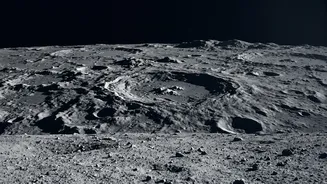
of sandblasting a planet over millions of years. For a planet without protection, this solar wind can directly interact with its upper atmosphere, stripping away lighter gases and gradually eroding this vital blanket. This process of 'atmospheric stripping' is a primary reason why many worlds in our solar system are barren and airless.
Earth's Invisible Shield
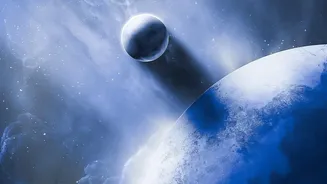
Fortunately, Earth has a powerful defense system: a global magnetic field, or magnetosphere. Generated by the movement of molten iron in our planet's outer core, this magnetic field extends far into space, creating a protective bubble. When the solar wind approaches, the magnetosphere deflects the vast majority of these harmful particles, guiding them around our planet. This 'force field' prevents the solar wind from directly scouring our atmosphere, allowing it to remain thick and stable over geological timescales. This shield is the main reason Earth has retained its atmosphere while other rocky planets, like Mars, have not.
The Critical Role of Pressure
Holding onto an atmosphere does more than just give us air to breathe; it creates pressure. Atmospheric pressure is simply the weight of the air above pushing down on the surface. This pressure is absolutely critical for the existence of liquid water. You might know that water boils at 100°C, but that's only true at sea-level pressure. If the pressure is lower, the boiling point drops significantly. On top of Mount Everest, where the air is thinner, water boils at around 71°C. In the near-vacuum of space, with no atmospheric pressure, liquid water would boil away instantly, regardless of the temperature. A thick atmosphere, therefore, acts like a lid on a pot, keeping the water in its liquid state.
The Cautionary Tale of Mars
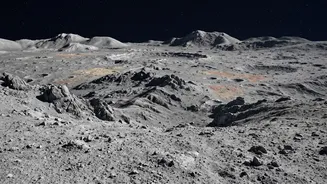
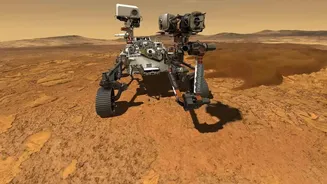
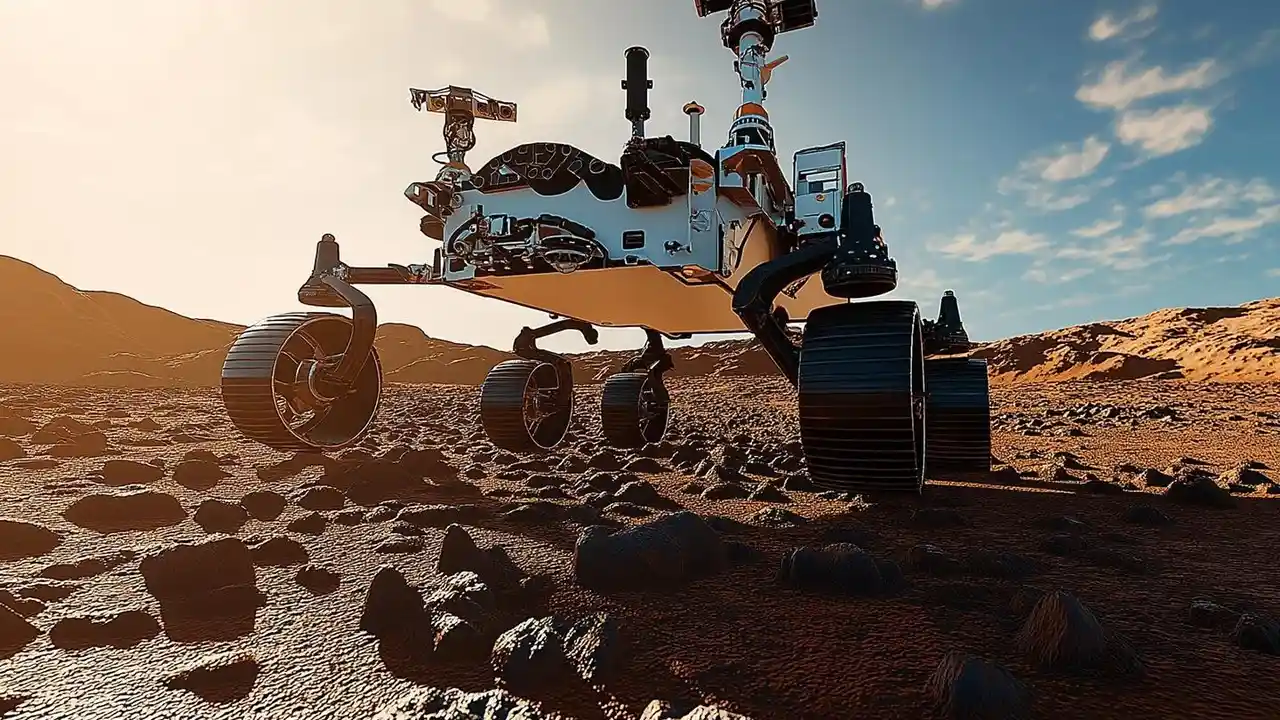
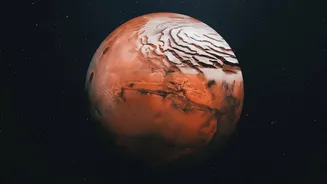
To understand the importance of a magnetosphere, we only need to look at our neighbour, Mars. Evidence strongly suggests that billions of years ago, Mars was a warmer, wetter world with a thicker atmosphere and liquid water flowing on its surface. It also had a global magnetic field, much like Earth. But around four billion years ago, the Martian core cooled and its magnetic dynamo shut down. Without its protective shield, the solar wind began stripping away the Martian atmosphere. As the atmosphere thinned, the pressure dropped. Eventually, the pressure became so low that liquid water could no longer remain stable on the surface, and the planet's oceans evaporated and were lost to space. The Red Planet's transformation into a cold, dry desert is a stark example of what happens when a planet loses its geomagnetic protection.
A Key Ingredient for Habitability
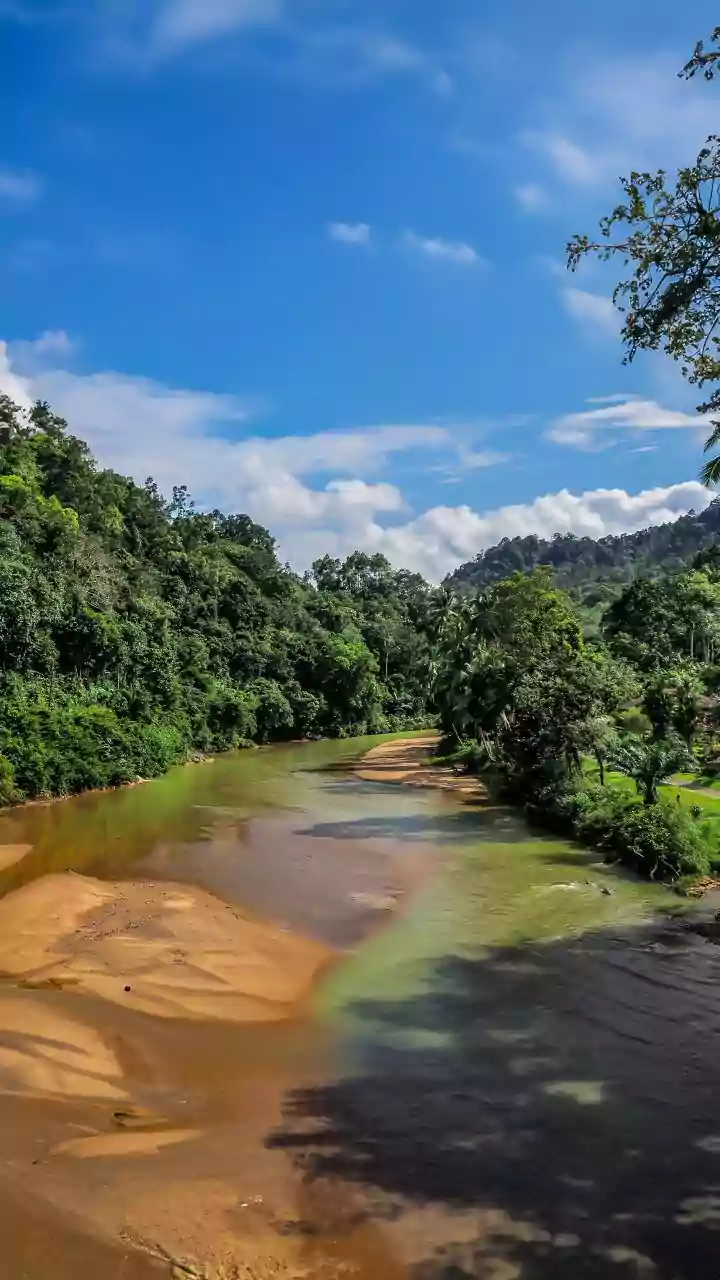
The connection between a magnetic field, a stable atmosphere, and liquid water is a cornerstone of modern planetary science. Earth's magnetosphere is not just a scientific curiosity; it is a fundamental component of our planet's habitability. It preserves the very air we breathe and maintains the pressure that allows for our planet's oceans, rivers, and lakes. As scientists search for life beyond our solar system, the presence of a strong magnetic field has become a key indicator to look for. An exoplanet residing in its star’s 'habitable zone'—where temperatures could allow for liquid water—might still be a barren rock if it lacks the geomagnetic protection needed to hold onto its atmosphere and, consequently, its water.