





Why Clear Labels Are Non-Negotiable
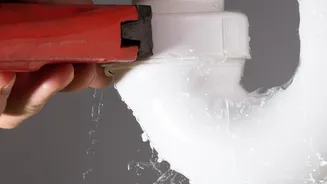
In a moment of crisis, clarity is everything. The primary benefit of properly labeling your utility shut-offs is the ability to react quickly, minimizing potential damage and ensuring safety. Imagine water pouring from a ceiling; every second spent searching
for the main water valve means more damage to your property. Clearly marked shut-offs are also crucial for routine maintenance, allowing you or a service professional to work safely and efficiently without playing a guessing game. Furthermore, in a true emergency, first responders can act much faster if your systems are clearly identified. Vague or faded handwritten notes on an electrical panel can lead to delays or accidental shutdowns of critical circuits. A small investment in time now can prevent a major headache later.
The 'Big Three' to Label First
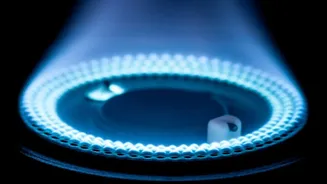
Every home has three primary utility shut-offs that should be your first priority. Start by locating and labeling the main water shut-off, the main gas valve, and your main electrical panel. The main water valve is often found where the water line enters your house, typically in a basement, crawl space, or utility closet. The main gas shut-off is usually located at the gas meter outside your home. Your main electrical panel, or breaker box, houses the main breaker that cuts power to the entire house. Labeling these three points ensures that in almost any major utility emergency, you or anyone in your household can quickly and confidently take control of the situation.
Go Deeper: Labeling the Electrical Panel
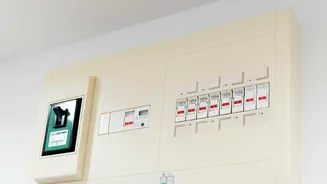
An unlabeled electrical panel is a common but dangerous oversight. While the main breaker is important, labeling each individual circuit is just as critical for both safety and convenience. Faded, handwritten scribbles for descriptions like “Bedroom” are not enough. Take the time to map out your home's circuits. Turn each breaker off one by one and identify exactly what it controls—for example, “Kitchen Outlets,” “Master Bedroom Lights,” or “Sump Pump.” This detailed labeling is required by some electrical codes and is invaluable when you need to isolate a faulty appliance or when a technician is troubleshooting an issue. A clear directory, often found inside the panel door, prevents accidental shutdowns of important equipment like refrigerators or medical devices.
Choosing Materials That Last
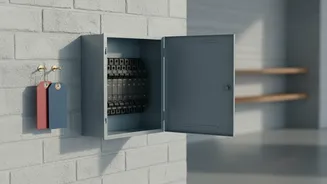
A paper tag and a marker might seem sufficient, but they won't hold up in damp basements or outdoors. For labels to be effective, they must remain legible for years. Use durable, weather-resistant materials like plastic or metal tags, which can be secured with wire or zip ties. For electrical panels, a professional label maker that uses thermal transfer printing creates clear, durable labels that resist fading from heat and humidity. Consider using color-coding for instant identification: blue for water, yellow or red for gas, and another distinct color for electrical shut-offs. The goal is to create a system that is immediately understandable, even in a high-stress situation.
What to Write on the Label
Effective labels provide more than just a name. For valves, it's incredibly helpful to include instructions on how to operate them. Adding a simple arrow and text like “Turn Clockwise to Shut Off” can prevent confusion in a panic. For complex systems, you might also include the contact information for the relevant utility company or a trusted service professional. On an electrical panel, be specific. Instead of just “Kitchen,” write “Kitchen Counter Outlets” or “Dishwasher.” The more detailed the information, the more useful the label becomes during maintenance or an emergency.