






Understanding the August Shake-Up
August is a month of significant adjustments for Indian Railways, affecting millions of travellers. The changes are not from a single, nationwide timetable overhaul but a combination of regional and situational factors. The most prominent of these is the annual
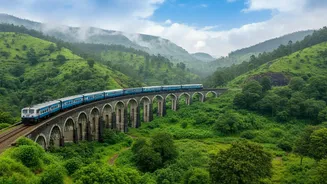
monsoon timetable, which is in effect until October 20 for safety reasons. This schedule primarily impacts the Konkan Railway route, a line known for its vulnerability to landslides and heavy rain. In addition to this, special train services are being run to manage the rush for events like the Kanwar Yatra and upcoming festivals like Ganesh Chaturthi, while others are to facilitate candidates for recruitment exams. Summer special trains on high-demand routes, such as those connecting Delhi with Bihar and Jharkhand, have also been extended through August. These overlapping schedules create a complex booking environment where a passenger's usual train may not be running on its regular day or time.
The 'Alternate Dates' Conundrum
The phrase "booking around alternate dates" stems directly from these schedule changes, particularly the monsoon timetable on the Konkan route. To ensure safety, trains run at reduced speeds, and critically, the frequency of many popular services is reduced. For instance, several premium trains like the Vande Bharat and Tejas Express, which might typically run six days a week, are now operating on a tri-weekly schedule. A train that a passenger intended to book for a Tuesday might now only run on Monday, Wednesday, and Friday. This forces travellers to be flexible with their departure dates from the outset. If their preferred date is a day the train is no longer running, they have no choice but to search for an alternate date, check for a different train, or start their journey from a different station.
Key Routes and Services Affected
The most significant changes are concentrated on the Konkan Railway line, affecting services between Maharashtra, Goa, Karnataka, and Kerala. The Central Railway has revised the timings for about 40 trains on this route. The CSMT-Madgaon Vande Bharat Express and Tejas Express are prime examples of premium trains now running on a reduced, tri-weekly basis. Journeys are also taking longer; the Madgaon to Mumbai Vande Bharat trip can be extended by a few hours. Beyond the Konkan region, Northern Railway is running special trains for the Kanwar Yatra to Haridwar and Rishikesh and has extended multiple summer specials connecting Delhi to cities in Bihar and Jharkhand. Special services are also being run to clear the rush for Railway Recruitment Board (RRB) exams. It is crucial for passengers to verify the specific schedule for their intended route on the National Train Enquiry System (NTES) or the IRCTC website.
Strategies for Smart Booking
Given the fluid situation, securing a ticket requires a proactive approach. First, always check the latest schedule before planning. The monsoon timetable is fixed until October, so those changes are predictable. For waitlisted tickets, many booking platforms now offer features like 'Same Train Alternates' or 'Guaranteed Seat Assistance'. These tools suggest booking a ticket for the same train but from a different starting station or to a different ending station where quotas may be available, while still allowing you to board at your desired station. This significantly increases the chance of getting a confirmed seat without changing your travel dates. For last-minute travellers, the Tatkal booking process has also been updated. At physical counters, a new token system aims to reduce queues and streamline the process. Whether booking online or offline, flexibility is key. Being willing to travel a day earlier or later, or to use an alternate station, can be the difference between a waitlisted ticket and a confirmed berth.