







The Rise of the Micro-Cation
The era of the 'micro-cation' is officially upon us. For India's Generation Z, born between the mid-1990s and early 2010s, travel is no longer a once-a-year event but a regular feature of their lifestyle. Recent reports highlight this dramatic shift.
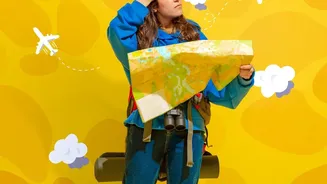
One survey found that 70% of young Indian travellers would rather take three short trips than one long annual holiday. Another confirms this, showing 87% prefer trips lasting under a week. These bite-sized holidays, often just a long weekend, are easier to fit around work, study schedules, and budgets. The data points to a clear trend: travel is becoming more frequent and flexible. Instead of waiting all year for a big break, Gen Z is punctuating their calendar with a series of smaller, rejuvenating escapes, often booked with little advance planning.
Experiences Over Everything
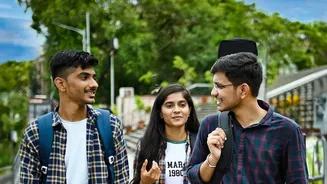
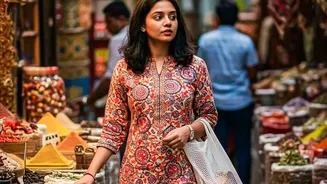
What's driving this change isn't just logistics; it's a fundamental shift in values. For Gen Z, the 'why' of travel often matters more than the 'where'. These trips are less about ticking off famous monuments and more about the experience itself, whether it's cultural immersion, outdoor adventure, or simply a break from burnout. Over half of Gen Z travellers prioritise cultural exploration, and many seek out undiscovered destinations over viral hotspots to ensure their trip feels personal and unique. This generation views travel as a form of self-expression, with nearly nine in ten stating that how they travel reflects who they are. Companionship is also key, with a majority preferring to travel with a partner or friends, and many saying who they travel with is more important than the destination itself.
The Influence of the Digital World
As digital natives, Gen Z's travel habits are deeply intertwined with the online world. Social media is a primary source of inspiration, but not just for mainstream destinations. An aesthetic café, a scenic train route, or a unique homestay featured in a reel can be enough to spark a trip. However, there's also a counter-trend of 'de-influenced' travel, where 90% of young travellers actively seek out places that lack widespread online recommendations to find more authentic experiences. The entire planning and booking process has also moved online. Gen Z confidently uses digital platforms and apps to find deals, compare options, and even use AI to help plan their trips. This reliance on technology facilitates the spontaneity that defines their travel style.
Blurring the Lines with 'Bleisure'
The rise of flexible and remote work has given birth to another significant trend: 'bleisure,' the blending of business and leisure. Young professionals are increasingly extending work trips by a few days to explore a new city on their own terms. This allows them to maximise their travel opportunities without taking significant time off work. India is reportedly a leader in this global trend, with professionals taking more bleisure trips than the global average. This fusion of work and play perfectly suits the Gen Z mindset of integrating travel seamlessly into their lives rather than treating it as a separate, occasional activity.
How the Travel Industry Is Responding
The travel and tourism industry is taking note and adapting to this new generation of customers. Hotels and accommodation providers are shifting their focus from simple rooms to creating unique experiences. There's a growing preference for shared homes or villas for group trips, allowing for more quality time together over separate hotel rooms. Travel companies are offering more flexible booking options and curated weekend packages to appeal to the spontaneous nature of Gen Z travellers. With this demographic also being value-conscious, many are willing to opt for budget stays or shorter trip durations to make their travel funds stretch further, a factor the industry is increasingly catering to.