



Understanding the Enemy: What Is Root Rot?
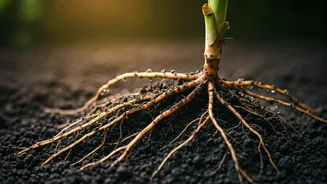
Root rot is exactly what it sounds like: the decay of a plant's roots. During the monsoon, this is typically caused by overwatering and poor drainage. When soil becomes waterlogged, it cuts off the oxygen supply to the roots. These suffocating roots begin
to die and decay, creating a perfect breeding ground for fungi that can quickly spread and kill the entire plant. The tricky part is that the first signs appear above ground—yellowing leaves, wilting, and stunted growth—which can often be mistaken for a lack of water.
Start with the Right Foundation: Pots and Drainage
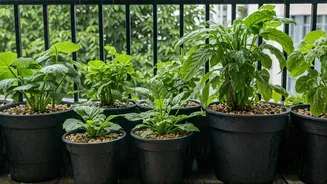
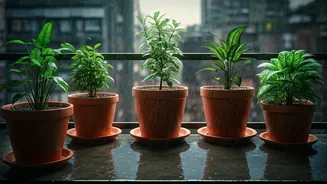
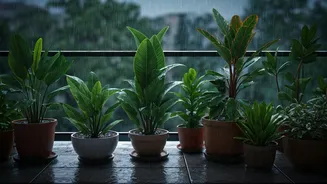
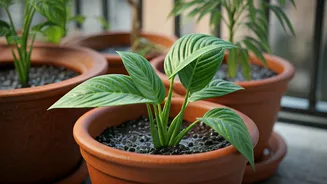
Your first line of defence against root rot is the pot itself. Ensure every container has multiple drainage holes at the bottom. If you have decorative pots without holes, use them as cachepots—place a smaller pot with drainage inside the larger one. During the monsoon, it is crucial to lift your pots off the ground. Placing them on pot stands, bricks, or even small stones prevents them from sitting in puddles of water and allows excess moisture to escape freely. This simple step dramatically improves drainage and air circulation around the base of the pot.
Craft a Monsoon-Ready Soil Mix
Standard garden soil is often too dense for pots and retains too much water, a recipe for disaster in the rainy season. You need a light, airy, and well-draining potting mix. You can create your own by mixing regular potting soil with materials that improve porosity. Perlite, coarse sand, and coco peat are excellent additions. A good rule of thumb is to create a mix that is about one-third soil, one-third compost for nutrients, and one-third drainage-aiding material like perlite or sand. This ensures water drains through while still retaining enough moisture for the plant.
Rethink Your Watering Schedule
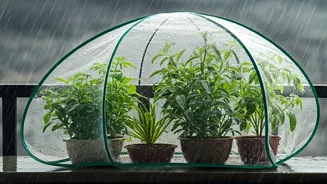
This is perhaps the most common mistake gardeners make during the monsoon. With high humidity and frequent showers, your plants need significantly less manual watering. Let nature do most of the work. Always check the soil before reaching for the watering can. Stick your finger about two inches deep; if the soil feels moist, do not water it. For plants that are sensitive to heavy rain, like succulents, consider moving them to a sheltered part of the balcony where they get light but are protected from the downpour.
Improve Air Circulation
Stagnant, humid air is a major contributor to fungal growth. Avoid overcrowding your plants. Good spacing ensures that air can move freely between them, helping the leaves and soil surface dry more quickly after a rain shower. Occasionally loosening the top layer of soil with a small tool can also help improve aeration and prevent it from becoming hard and compacted from the constant rain. Pruning excess foliage can also improve airflow through the plant's canopy.
Spotting the Early Warning Signs
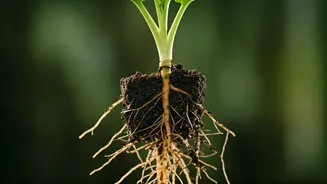
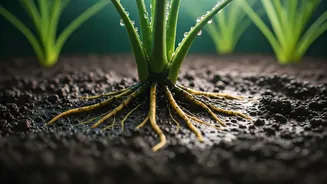
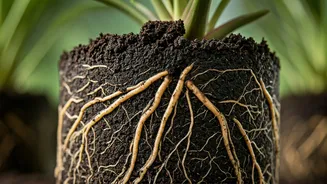
Stay vigilant and inspect your plants regularly. Look for lower leaves that are turning yellow or brown. A plant that is wilting even though the soil is wet is a classic symptom of root rot, as the damaged roots can no longer absorb water. Another tell-tale sign can be an unpleasant, musty, or sour smell coming from the soil, which indicates decay. If you suspect rot, you may need to gently remove the plant from its pot to inspect the roots. Healthy roots are firm and whitish, while rotting roots are brown, black, and mushy.
Emergency Rescue for Affected Plants
If you find root rot, don't panic; it is sometimes possible to save the plant. Carefully remove it from the pot and wash the soil off the roots. Using a clean, sterilized pair of scissors, trim away all the brown, mushy, and dead roots until only healthy, firm tissue remains. If you have to remove a lot of roots, you should also prune back about a third of the plant's leaves to reduce stress on the smaller root system. Discard the old soil and thoroughly clean the pot before repotting the plant in fresh, well-draining soil. Water it lightly and hope for the best.