







The Source of the Beat
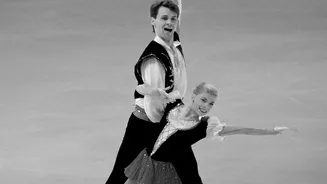
In dance, rhythm is most often external. It’s the audible pulse of music, the 4/4 time signature that provides a roadmap for movement. Dancers interpret this external beat, translating sound into physical expression. Their goal is musicality—the art of bringing
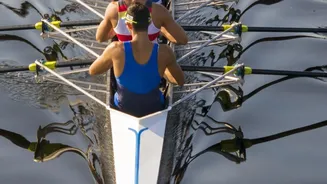
the nuances of a song to life through their bodies. Rowing, on the other hand, operates on a complex internal and environmental rhythm. While a coxswain’s calls provide cues, the primary beat comes from the feel of the boat itself. Rowers synchronize with the boat's surge and glide, a feeling often called 'swing'. The rhythm is the physical law of the boat: a powerful, explosive drive phase followed by a relaxed, patient recovery phase. This rhythm isn't set to music; it’s dictated by physics and the collective feel of the crew.
The Purpose of Perfect Timing
For a dancer, perfect timing serves artistry and communication. It can create emotional impact, build tension, or express joy. While staying on beat is fundamental, musicality allows a dancer to play with time—to hit a beat sharply for emphasis or flow through a melody smoothly. The purpose is to connect with an audience and convey a story. For a rower, the purpose of timing is brutally simple: speed. A crew that moves in perfect synchrony minimizes drag and maximizes efficiency. If one rower’s oar enters the water a fraction of a second late, it can disrupt the boat's balance, creating drag and slowing the vessel. The goal is to achieve a state of 'swing', where all rowers move as one, making the boat feel lighter and faster. It’s not about expression; it's about eliminating any wasted energy to achieve maximum propulsion.
Individual Flair vs. Collective Unity
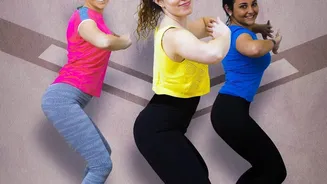
Dance celebrates both individual rhythm and group synchrony. A solo dancer is a master of their own timing, while partner and group dances require performers to sync their movements visually and audibly. There's room for personal style and interpretation, even within a synchronized troupe. In rowing, however, individuality is suppressed in favour of absolute unity. Every rower in a crew strives to be an identical copy of the person in front of them, a concept known as dynamic synchronization. The stroke, the recovery, the entry of the blade into the water—every part of the motion must happen as one. Any deviation from the collective rhythm is a mistake that compromises the entire crew's effort.
The Senses of Synchronization
Dancers rely heavily on their auditory and visual systems. They listen to the music and watch their partners or fellow performers to stay in time. But they also develop a powerful internal sense of body awareness, known as proprioception. This 'sixth sense' allows them to know where their limbs are in space without looking, a skill honed through years of training. Rowers, however, depend almost entirely on proprioception and kinesthetic feedback. They feel the movement of the seat, the pressure on their feet, and the subtle shifts in the boat's momentum to stay in sync. They are trained to feel when the boat is running smoothly and when their timing is slightly off. While they follow the visual rhythm of the rower in front of them, the true synchronization comes from this shared, physical sense of the boat's movement.
When the Rhythm Breaks
A misstep in dancing can lead to an awkward moment or a clumsy recovery. The performance might be momentarily disrupted, but the consequences are usually confined to aesthetics. In rowing, a break in rhythm can be disastrous. The most feared timing error is 'catching a crab', where the oar blade gets stuck in the water at the wrong moment. This can abruptly slow or even stop the boat, throw off the entire crew's timing, and in extreme cases, even eject a rower from their seat. If rowers become out of sync, their oars can collide, and some may inadvertently act as brakes instead of propellers. The stakes are far higher, turning a simple timing mistake into a race-losing (and potentially dangerous) event.