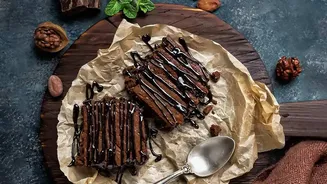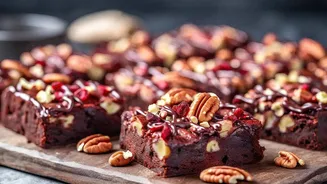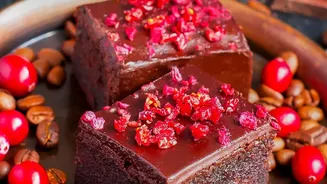



A Modern Makeover for a Classic Treat
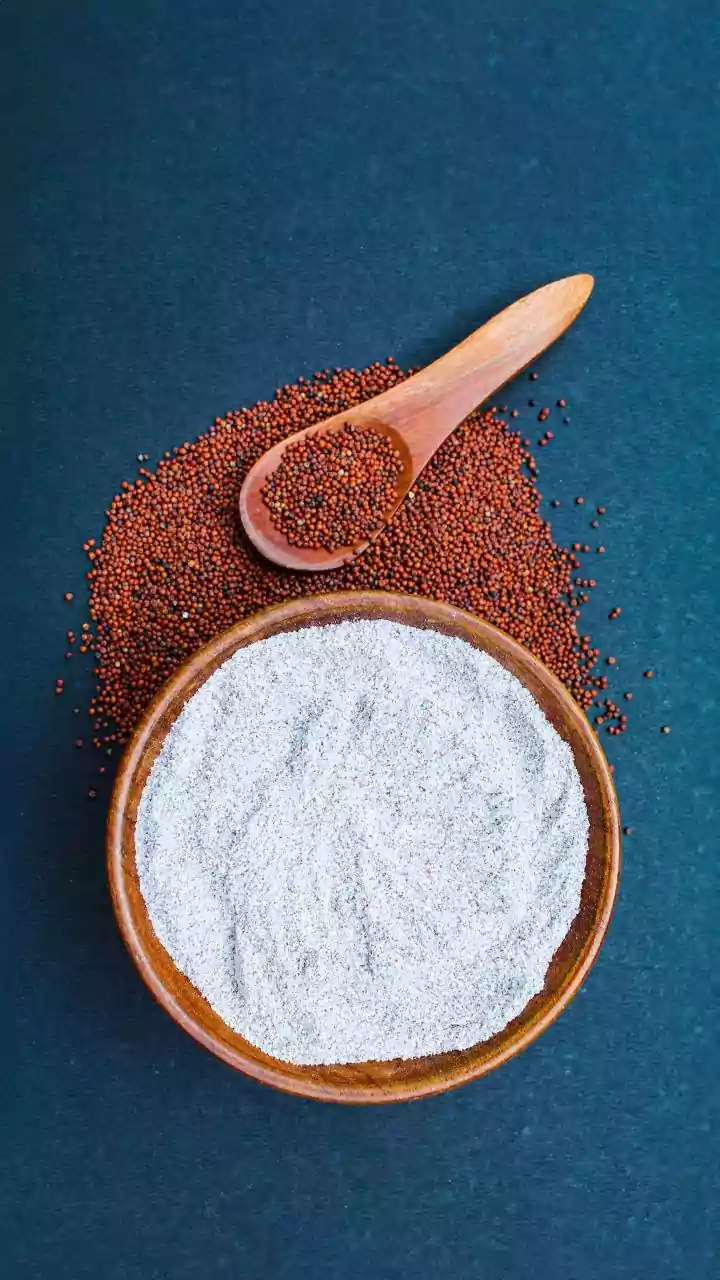
Across India's culinary landscape, a quiet revolution is baking in ovens. Pastry chefs and home bakers are reimagining one of the world's most beloved desserts—the brownie—by substituting traditional all-purpose flour (maida) with a variety of nutrient-dense
millet flours. Flours made from ragi (finger millet), jowar (sorghum), and bajra (pearl millet) are now at the heart of this trend, transforming the humble brownie into a guilt-free indulgence. This shift is not just about chasing a fad; it represents a deeper movement towards conscious eating, where consumers no longer want to choose between health and taste. Bakeries are reporting a surge in demand for these healthier options, proving that millet-based desserts are quickly becoming a lifestyle choice for many.
The Undeniable Health Benefits
So, why millets? For starters, they are nutritional powerhouses. Naturally gluten-free, millet flours are an excellent alternative for those with gluten intolerance or celiac disease. They are packed with dietary fibre, which aids digestion and helps you feel fuller for longer. Millets like ragi are also a great source of essential minerals such as calcium and iron. Furthermore, they have a lower glycemic index compared to refined wheat flour, which helps in better blood sugar management by ensuring a slower release of energy. This impressive nutritional profile means you can satisfy your sweet cravings without the empty calories typically associated with desserts made from maida.
More Than Healthy, It's About Flavour
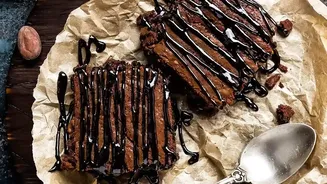
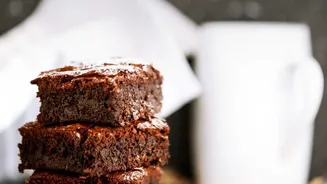
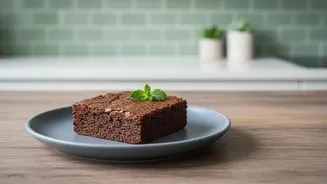
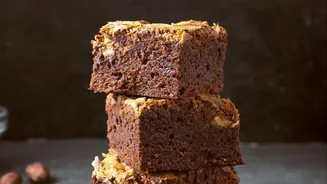
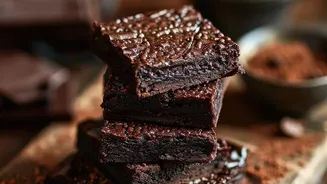
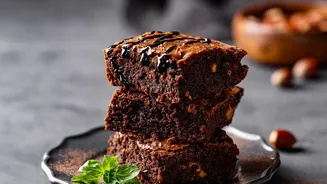
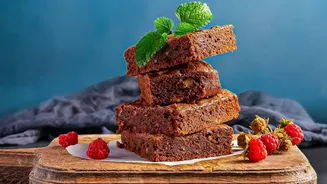
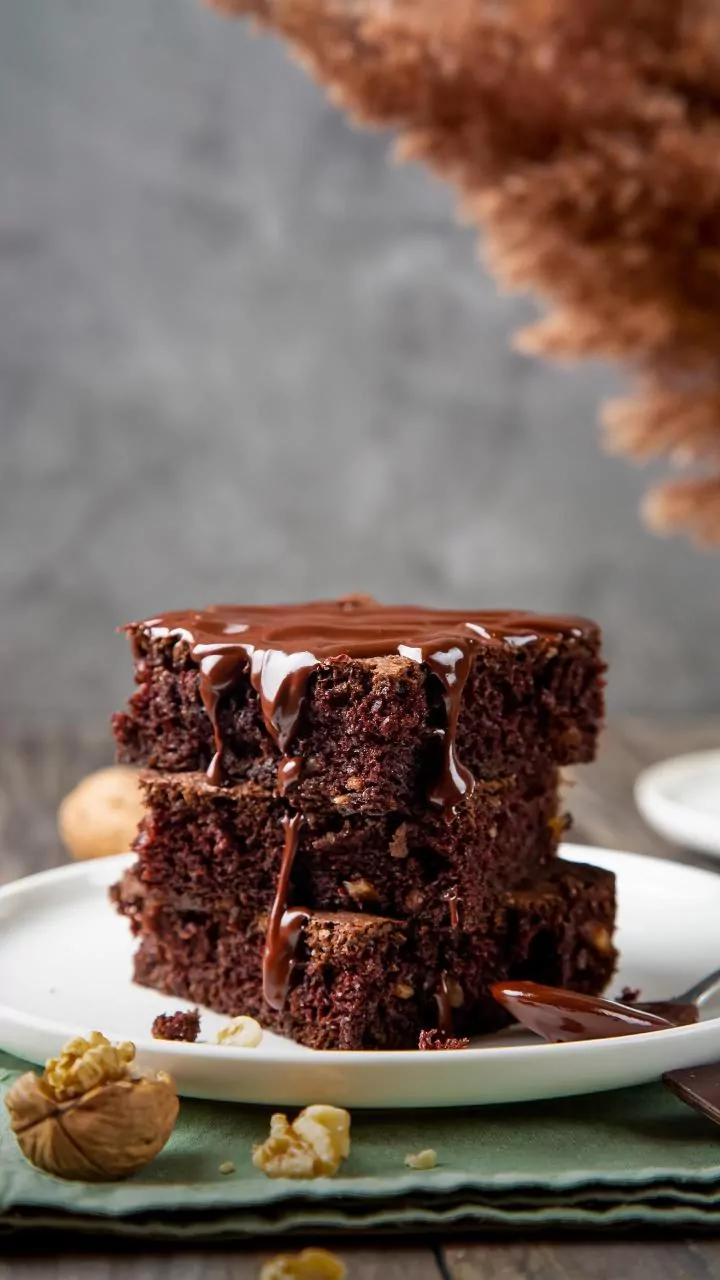
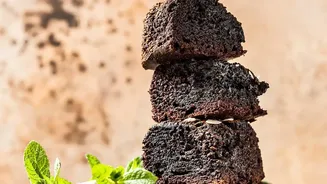
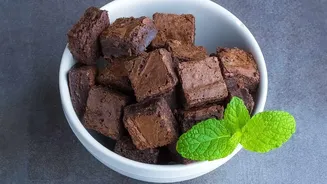
A common misconception about healthy desserts is that they compromise on taste. However, chefs are proving that millet brownies are anything but a compromise. Millets introduce a new dimension of flavour and texture. Flours like jowar and ragi lend a subtle, nutty, and earthy taste that beautifully complements the deep richness of chocolate. This creates a more complex and satisfying flavour profile than one-note sugary brownies. Texturally, millets contribute to a wonderfully dense and fudgy consistency, which many brownie lovers seek. Far from being a simple substitute, these ancient grains enhance the dessert, making it both delicious and nourishing.
From Ancient Grain to Gourmet Ingredient
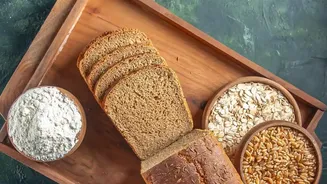
Millets have been a staple food in the Indian subcontinent for thousands of years, long before wheat and rice became predominant. This modern culinary trend, therefore, is also a homecoming of sorts. By incorporating millets into gourmet desserts, chefs are celebrating India’s agricultural heritage and elevating a humble, traditional ingredient. This revival aligns perfectly with a growing 'vocal for local' sentiment and has been supported by government initiatives to promote millets, also known as 'Shree Anna', as a superfood. The brownie, a Western classic, becomes a canvas for showcasing the versatility and richness of India's own super-grains.
The Baker's Artful Challenge
Baking with millet flours is not a simple one-to-one swap for maida. Since they are gluten-free, they behave very differently. Millet flours tend to absorb more liquid and can result in a denser, sometimes crumbly, texture if not handled correctly. This is where the skill of the pastry chef comes in. They must artfully balance the formulation, often blending different millet flours or adding binding agents like yogurt or flaxseed to achieve the perfect moist and fudgy result. This technical challenge highlights the creativity and expertise driving the trend, as chefs innovate to create desserts that are structurally sound, texturally pleasing, and incredibly delicious.