






The Science of Sweat and Sleep
The link between exercise and better sleep isn't just a feeling; it's rooted in our biology. When you engage in physical activity, your body goes through several changes that prime it for rest later on. Exercise helps reduce stress and anxiety by triggering
the release of endorphins, which are natural mood elevators. This can help quiet a racing mind before bed. Additionally, physical activity raises your core body temperature. The subsequent cooling-down period mimics a natural trigger for sleepiness that your body uses to prepare for rest. Studies show that this process can help you fall asleep faster and spend more time in slow-wave, or deep sleep—the most restorative stage of sleep where your body and brain rejuvenate.
Consistency Trumps Intensity
You don’t need to train like a professional athlete to reap the sleep benefits. In fact, research suggests that consistency is far more important than intensity. The goal is to establish a regular routine. The World Health Organization recommends 150-300 minutes of moderate-intensity aerobic exercise per week, which breaks down to about 30 minutes, five days a week. Studies have found that this level of activity is highly effective for improving sleep quality. People who maintain a consistent workout schedule tend to regulate their body's internal clock, known as the circadian rhythm, more effectively. This helps reinforce a healthy sleep-wake cycle, making it easier to feel alert in the morning and sleepy at night.
What Kind of Movement Is Best?
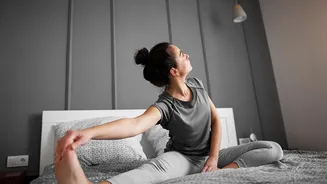
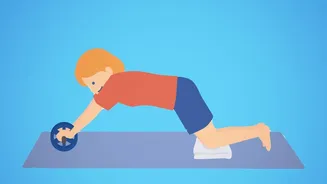
The good news is that many different types of movement can lead to better sleep, so you can choose what you enjoy most. Aerobic exercises like brisk walking, jogging, cycling, or swimming are excellent choices. They raise your heart rate and have been shown to reduce the time it takes to fall asleep. Strength training, whether with weights or resistance bands, has also been linked to significant improvements in sleep quality. Furthermore, mindful movements such as yoga and tai chi can be particularly beneficial. These practices combine physical postures with breathing exercises, which helps calm the nervous system and prepare the body for rest.
The Timing Question
A common belief is that exercising in the evening can disrupt sleep, but recent evidence suggests it's more nuanced. While a very high-intensity workout right before bed might keep some people awake due to elevated heart rate and body temperature, moderate exercise in the evening is generally fine for most. The key is allowing your body at least 90 minutes to wind down before you plan to sleep. This gives your body temperature and endorphin levels time to return to a baseline that’s conducive to sleep. Some studies even show that evening exercise can help people fall asleep faster. Ultimately, the best time to exercise is the time that fits your schedule and allows you to be consistent. Experts encourage listening to your body to see what works best for you.