






The Problem with Disposable Rain Gear
For years, the solution to an unexpected downpour has been a cheap, disposable plastic poncho or a low-quality umbrella that barely survives one windy storm. While convenient in the moment, these items contribute significantly to plastic pollution, clogging
drains and ending up in landfills after just one or two uses. This throwaway culture is not only an environmental issue but also a financial drain. Constantly replacing broken umbrellas and flimsy rain sheets adds up over time, making the initial low cost a false economy. The rise of conscious consumerism in India, especially among younger, urban populations, is driving a shift away from this model. People are increasingly aware of the long-term impact of their purchases and are seeking out products that offer both performance and sustainability.
What to Look for in a Quality Umbrella
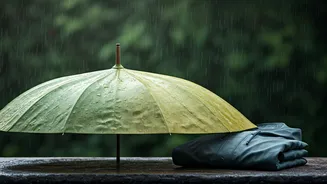
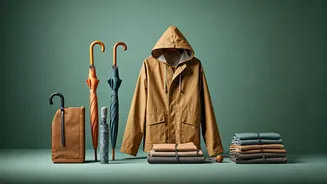
Investing in a good reusable umbrella means moving beyond the emergency buys. The key is durability. Look for frames made from flexible yet strong materials like fibreglass, which can bend in strong gusts without snapping. A windproof design, often featuring a vented or double-layer canopy, is crucial for surviving blustery monsoon weather, as it allows wind to pass through without inverting the umbrella. The canopy fabric is another important factor. High-density fabrics with a quality water-repellent coating ensure that water beads off quickly, allowing the umbrella to dry faster and preventing mildew. For convenience, a compact, foldable model is ideal for daily commuters who need to stash their umbrella in a bag or backpack. While a quality umbrella may have a higher upfront cost, its longevity makes it a smarter investment for years of reliable use.
The Evolution of Reusable Rainwear
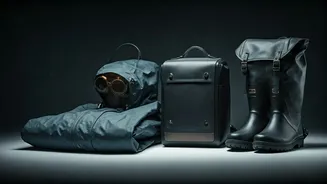
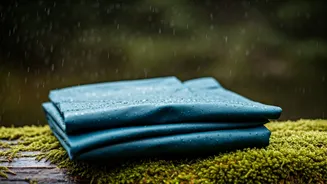
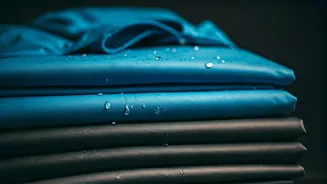
The trend extends beyond just umbrellas. Modern raincoats and jackets are now combining high-performance technology with style and sustainability. Brands are increasingly using eco-friendly materials like recycled polyester (often made from PET bottles), organic cotton with plant-based water repellents, and other biodegradable fabrics. This move addresses the growing consumer demand for apparel that aligns with their environmental values. Functionality has also seen major upgrades. Today’s rainwear is not just waterproof but also breathable, lightweight, and stylish enough for everyday wear, not just for surviving a downpour. With fashion runways even featuring high-end rain gear, the humble raincoat has been elevated from a purely utilitarian item to a fashion statement.
Making Your Reusable Gear Last
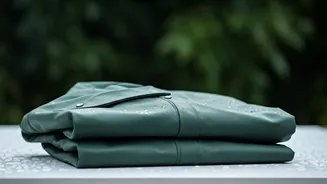
Owning a durable piece of rain gear is only half the battle; proper care ensures it lasts for many seasons. The single most important step is to always let your umbrella or raincoat air dry completely before folding or storing it. Leaving it furled while wet can lead to mildew, rust on metal parts, and a musty smell. For umbrellas, give them a little shake to free the ribs before opening to avoid bending the frame. For raincoats, an occasional gentle wash according to the care label will keep the fabric clean and maintain its breathability. For both, storing them in a cool, dry place away from direct sunlight will prevent the fabric from fading or degrading over time. A few simple habits can dramatically extend the life of your gear, reinforcing the value of your sustainable choice.