






As the seasons turn, the familiar ritual of packing away winter wear begins. But simply storing them isn't enough. The secret to their longevity lies in care, and a key question arises: should you be airing out clothes during long storage periods?
The Unseen Risks of Long-Term Storage
When
you pack your sweaters, coats, and blankets away for months, you are not just tucking them out of sight. You are also creating an environment where several issues can arise. The biggest threats are moisture, pests, and fabric degradation. In humid climates, even a small amount of trapped moisture can lead to the growth of mould and mildew, causing unpleasant odours and potentially irreversible fabric damage. Food particles or body oils that were not thoroughly cleaned off can attract pests like moths, whose larvae feed on natural fibres like wool. Furthermore, keeping garments folded in the same position for extended periods can create permanent creases and weaken the fibres, especially in heavy knits. Storing clothes in sealed plastic containers can also be a problem, as some plastics trap moisture and prevent natural fibres from breathing, which can lead to musty smells and deterioration.
Preparation Is the First Line of Defence
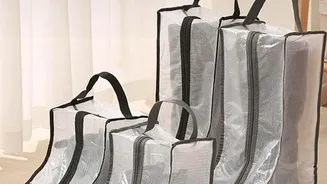
The best way to protect your winter wardrobe starts before you even pack it. First, ensure every single item is thoroughly clean. Stains from food, dirt, or sweat can set over time and become a beacon for insects. Always follow the care instructions on the label, whether that means machine washing, hand washing, or dry cleaning. Second, and just as crucial, is making sure every garment is completely dry. Storing even slightly damp clothing is a direct invitation for mildew. Once clean and dry, choose the right storage containers. Breathable options like cotton or canvas bags are ideal for natural fibres like wool and cashmere because they allow for air circulation. For other items, clear plastic bins with tight-fitting lids can work well, but avoid overpacking them, as this restricts airflow. For bulky items like synthetic duvets, vacuum-sealed bags can save space, but avoid them for natural fibres like down and wool, as the compression can crush the fibres and ruin their structure.
The Case for a Mid-Storage Refresh
So, is it necessary to interrupt your clothes' long slumber for an airing session? The answer is a definitive yes, especially in areas with high humidity. Periodically checking on your stored clothing is a vital maintenance step. Experts recommend inspecting your stored items every three to six months. This gives you the chance to catch problems early, before a small spot of mildew becomes a widespread issue or a single moth has a chance to damage multiple garments. Airing out the clothes helps release any trapped moisture, prevents musty odours from setting in, and allows you to inspect for any signs of pest activity, like small holes or insect casings. This proactive step is far less effort than trying to salvage a beloved sweater that has been silently damaged over several months in a dark box.
How to Properly Air Your Garments
Airing out your clothes does not need to be a major chore. On a dry, sunny day, simply take the garments out of their containers. Hang them on a padded hanger or lay them flat on a clean surface in a well-ventilated area for a few hours. Avoid direct, harsh sunlight, as it can cause colours to fade and fibres to become brittle over time; a shaded outdoor spot or a bright indoor room with open windows is perfect. As you do this, take the opportunity to gently shake out each item. This helps to restore the shape of the fabric. It is also the perfect time to refresh any natural pest repellents you might be using, such as cedar blocks or lavender sachets, which lose their potency over time. Check your storage containers for any signs of moisture before packing everything away again.
Fabric - Specific Considerations
Different winter fabrics have slightly different needs. Heavy wool and cashmere sweaters should always be folded, not hung, to prevent stretching and shoulder distortion. When airing them, lay them flat. Down jackets should be stored loosely to maintain their loft and insulating properties ; compressing them for long periods can damage the feathers . Structured items like wool coats and blazers are better off hung on wide , padded hangers inside breathable garment bags to maintain their shape . For all - natural fibres , airflow is key , so never seal them in plastic for the long term . Taking these material - specific needs into account during both storage and airing will significantly extend the life of your expensive winter pieces .