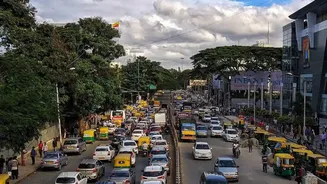


As winter approaches, Delhi and the National Capital Region (NCR) are bracing for the annual spike in air pollution. To combat this, authorities are activating vehicle restrictions starting November 1. Here’s what you need to know.
Understanding the GRAP Framework
These restrictions are
part of the Graded Response Action Plan (GRAP), an emergency measure to tackle deteriorating air quality. The plan is activated in stages based on the Air Quality Index (AQI). The vehicle ban, a Stage III measure, is triggered when the AQI enters the 'Severe' category (401-450). These rules can be enforced proactively based on forecasts to prevent the air quality from worsening further. The measures are designed to reduce vehicular emissions, a major contributor to Delhi's pollution, accounting for a significant portion of PM2.5 levels.
Which Vehicles Are Banned?
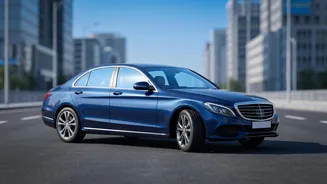
The primary restriction under GRAP Stage III targets older, more polluting vehicles. Specifically, the ban applies to BS-III petrol and BS-IV diesel four-wheelers. This rule is effective across Delhi and key NCR districts with high vehicle density, including Gurugram, Faridabad, Ghaziabad, and Gautam Buddha Nagar. It applies regardless of where the vehicle is registered. From November 1, vehicles registered outside Delhi must be BS-VI compliant to enter the capital, a rule that will be in effect until January 31, 2027. Commercial goods vehicles also face strict curbs, with most diesel trucks below the BS-VI standard barred from entry.
Who Is Exempt from the Ban?
Not all vehicles are prohibited. The ban does not apply to BS-VI compliant petrol and diesel vehicles, electric vehicles (EVs), and cars running on CNG. These cleaner vehicles can operate without these specific restrictions, though they must still comply with all other traffic and pollution norms. Furthermore, exemptions are provided for emergency service vehicles like ambulances and fire tenders, police and government vehicles on enforcement duties, and vehicles specially adapted for persons with disabilities.
Enforcement at Border Checkpoints
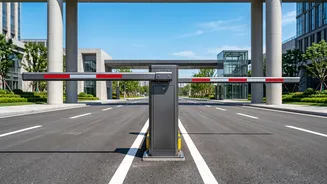
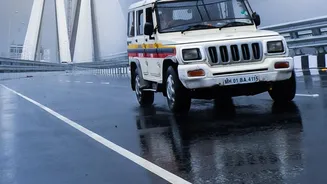
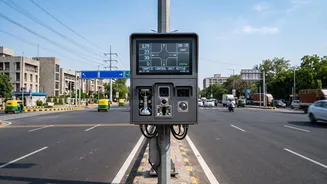
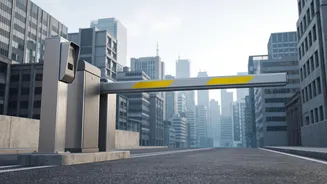
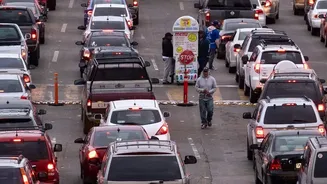
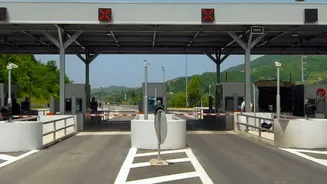
Commuters can expect heightened vigilance at all major entry points to Delhi. Joint enforcement teams comprising traffic police and transport department officials will be deployed to check for non-compliant vehicles. To streamline this process, authorities will use Automatic Number Plate Recognition (ANPR) cameras, which can scan licence plates and identify vehicles that do not meet the emission standards in real-time. Prominent signboards will also be installed at border points to inform drivers of the restrictions. Buses that do not run on electricity, CNG, or BS-VI diesel will be diverted at the border to avoid causing congestion within the city.
Penalties for Violators
Driving a banned vehicle during the enforcement period carries significant financial penalties. Under the Motor Vehicles Act, violators can be fined a hefty sum of ₹20,000. Beyond the GRAP-specific ban, all vehicle owners must ensure they have a valid Pollution Under Control (PUC) certificate. Driving without a valid PUC can attract a separate fine of ₹10,000. To enforce this, a 'No PUC, No Fuel' policy is in effect at fuel stations across Delhi.
Navigating the City During the Ban
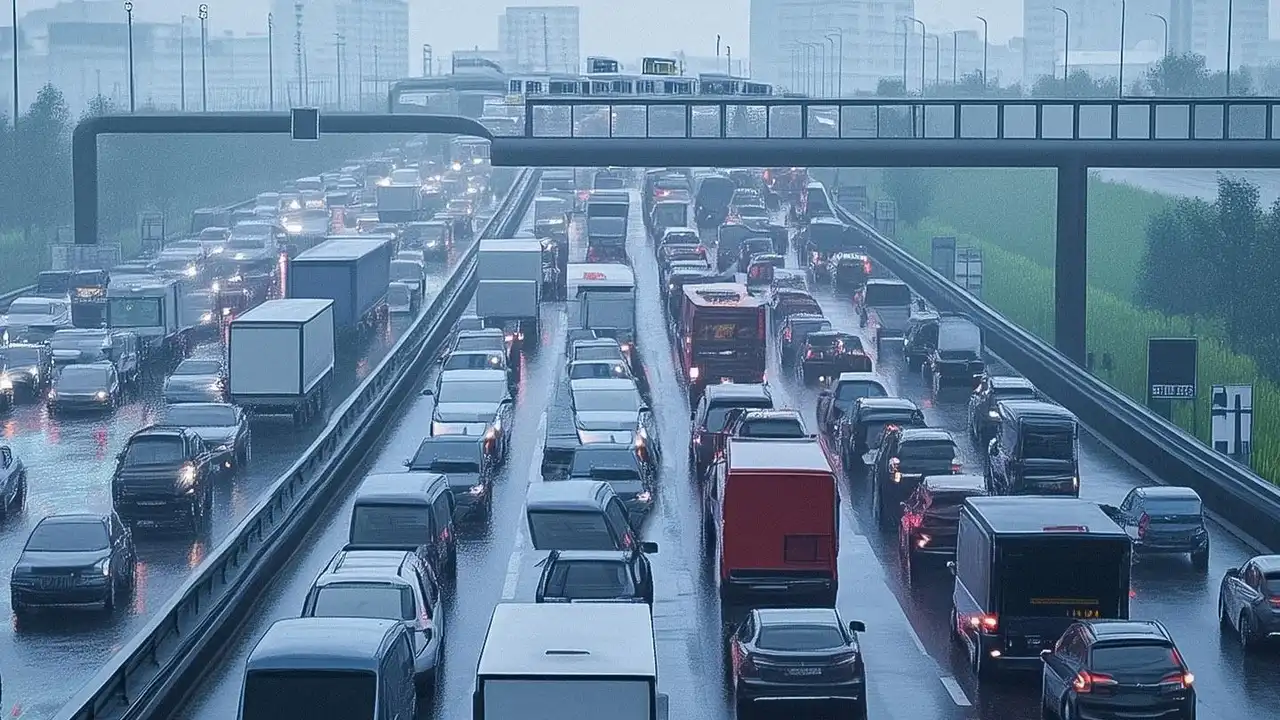
With many private vehicles off the roads, residents and commuters are encouraged to use public transport. To accommodate the extra passenger load, the Delhi Metro often increases the frequency of its services. Using the extensive network of DTC and cluster buses, which are increasingly shifting to cleaner fuels, is another viable option. For those who must travel by road, carpooling with compliant vehicles or using app-based cab services that adhere to emission norms can help reduce congestion and individual carbon footprints. It is advisable to check the latest GRAP status daily, as restrictions can be intensified or relaxed depending on the prevailing air quality.