



Start With the Right Pot
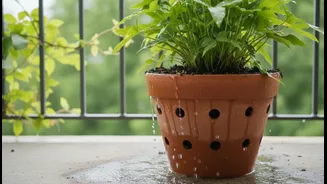
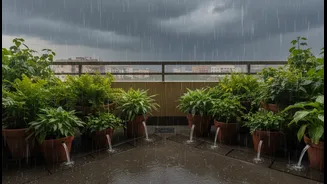
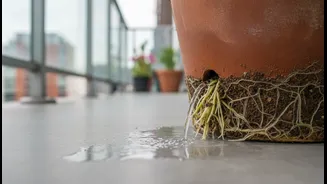
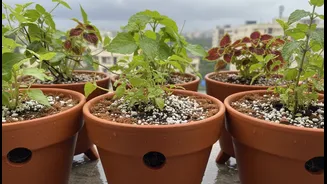
The foundation of good drainage lies in your container. Ensure every pot has at least one, if not several, drainage holes at the bottom. Without these, water has no way to escape, and roots will inevitably sit in stagnant water, leading to rot. If you have
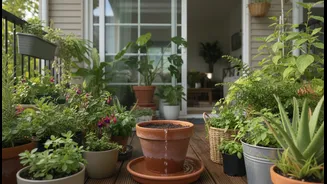
decorative pots without holes, you have two options: either drill them yourself or use the 'double potting' method. This involves keeping your plant in a smaller nursery pot with holes and placing it inside the larger decorative one. Just remember to empty any excess water that collects in the outer pot after a heavy downpour.
Elevate Your Containers
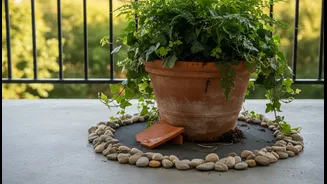
Even pots with drainage holes can get blocked if they sit flat on the balcony floor. A simple but highly effective trick is to lift your pots slightly off the ground. You can use 'pot feet', bricks, or even a few flat stones placed under the container. This small gap creates enough space for excess water to drain away freely and improves air circulation around the base of the pot, preventing the drainage holes from becoming clogged with mud or debris.
Amend Your Potting Mix
Heavy, dense soil retains too much water, which is a significant problem during the monsoon. Your plants need a light, airy potting mix that allows water to pass through easily. You can create a well-draining medium by mixing regular potting soil with materials like coarse river sand, perlite, or compost. Perlite, which looks like small white foam balls, is excellent for creating air pockets, while sand improves porosity. Avoid using fine construction sand, which can compact when wet and worsen drainage. A good ratio is roughly two parts soil, one part compost, and one part perlite or sand.
Add a Drainage Layer (Carefully)
For years, gardeners have put a layer of gravel or broken pot shards at the bottom of containers. While this can help keep soil from washing out, it's most effective in larger, deeper pots. For smaller containers, this layer can sometimes raise the water table within the pot, keeping the lower roots wet. A better modern alternative for larger pots is using lightweight, reusable drainage mesh or materials specifically designed for this purpose. These create an aerated base layer, improving airflow and ensuring water escapes freely without taking all your soil with it. For most standard balcony pots, focusing on a good potting mix and clear drainage holes is sufficient.
Keep Balcony Drains Clear
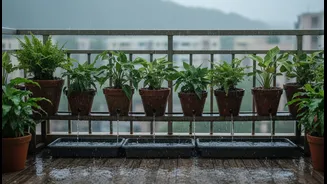
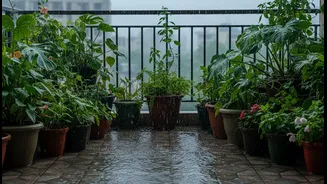
Plant health isn't just about what’s inside the pot; it’s also about the surrounding environment. Your balcony floor should have its own drainage outlet to handle rainwater. Before the monsoon arrives, and regularly throughout the season, ensure this drain is free of leaves, soil, and other debris. A blocked balcony drain can lead to flooding, which means your pots will be standing in puddles of water, defeating all your efforts to improve pot drainage.
Adjust Your Watering Schedule
It might sound counterintuitive, but you still need to monitor your plants' water needs during the monsoon. Don't assume the rain is doing all the work. Sometimes, a plant under a wide leaf or an awning might not receive any rainwater at all. Conversely, don't water on a fixed schedule. The rule is to always check the soil first. Poke your finger about an inch into the soil; if it feels dry, it's time to water. If it's damp, wait. High humidity means the soil dries out much slower, so overwatering is a real risk.
Choose Monsoon-Happy Plants
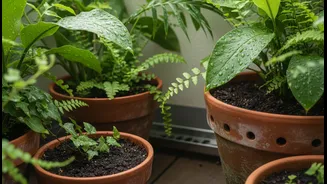
Some plants simply adore the humid, moist conditions of the monsoon. Opt for species that thrive in this weather. Flowering plants like hibiscus, jasmine, and rain lilies are excellent choices. Foliage plants such as ferns, money plants (pothos), and peace lilies also do very well, as these tropicals are accustomed to rainy seasons in their native habitats. Choosing the right plants from the start means less stress for both you and your garden.