


A Landscape Reborn in Green
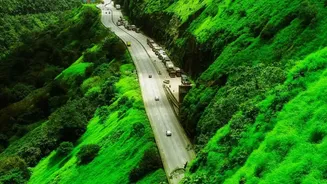
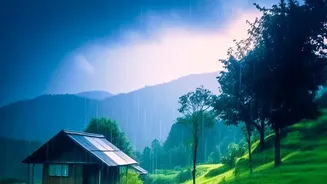
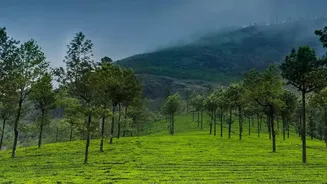
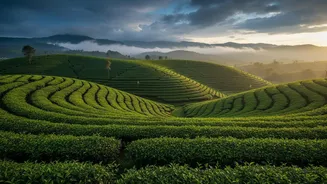
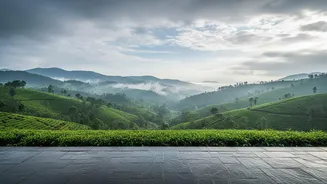
The most immediate change the monsoon brings to Goa is the explosion of greenery. The rains, which typically last from June to September, breathe new life into the landscape. The dust settles, and the entire state is washed clean, revealing a vibrant,
emerald hue. Paddy fields become glossy sheets of water where farmers can be seen planting rice, and the Western Ghats that line the state's border turn into a dense, thriving jungle. This is a time when the air smells of wet earth and fresh growth, offering a sensory experience far removed from the heat of the peak season. For photographers and nature lovers, the dramatic, cloudy skies and impossibly green vistas are a feast for the eyes.
Chase Waterfalls, Not Crowds
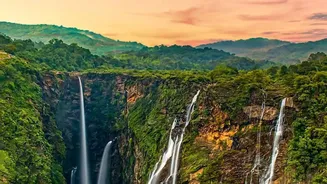
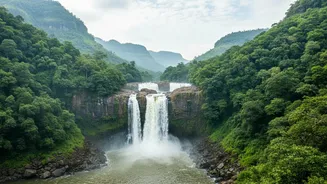
While swimming in the rough monsoon sea is not advised, the season is perfect for chasing waterfalls. Goa's most famous waterfall, Dudhsagar, becomes a thundering spectacle during the rains, its name translating to "Sea of Milk" as water cascades down from a height of over 300 metres. Reaching it through the Bhagwan Mahavir Wildlife Sanctuary is an adventure in itself. Beyond Dudhsagar, numerous other waterfalls like Harvalem, Tambdi Surla, and Bamanbudo come to life, offering serene spots for trekking and picnics. These locations, often hidden within lush forests, provide a peaceful escape and a chance to witness nature at its most powerful and pristine.
Adventures Beyond the Beach
With many beach shacks closed for the season, the monsoon encourages exploration of Goa's hinterlands. Adventure seekers can find a unique thrill in white-water rafting on the Mhadei River, which offers exciting rapids only during this time of year. Exploring the islands of Divar and Chorao by bicycle or scooter becomes a joy on less crowded roads, offering glimpses into traditional Goan village life. Spice plantations are another must-visit, as the rain enhances the fragrant aromas of cardamom, pepper, and cinnamon, making for an immersive sensory tour often followed by a delicious, traditional Goan meal.
The Allure of a Slower Pace
Perhaps the greatest luxury of monsoon travel in Goa is the peace and quiet. With fewer tourists, popular beaches become serene stretches of sand perfect for long, undisturbed walks. The off-season allows for a more intimate experience, whether you're exploring the colourful lanes of Fontainhas in Panjim, visiting historic churches in Old Goa, or simply enjoying a hot cup of tea in a cozy cafe while it rains outside. This slower pace provides a chance to connect with the local culture, observe daily life, and enjoy Goa's famed hospitality without the hustle and bustle.
Practical Perks and What to Pack
Beyond the scenic beauty, visiting Goa during the monsoon has significant practical benefits. Prices for flights and accommodation are often considerably lower than during the peak season, allowing for a more budget-friendly trip or a chance to indulge in a luxury stay for less. However, it's essential to pack smart. A reliable raincoat, waterproof footwear with good grip, and waterproof bags for your electronics are non-negotiable. While some restaurants and most beach shacks close, the main tourist areas like Baga and Calangute still have plenty of options open. Always check weather forecasts and be cautious, as roads can be slippery and some trails may be closed during heavy downpours.