



Beyond the Golden Triangle
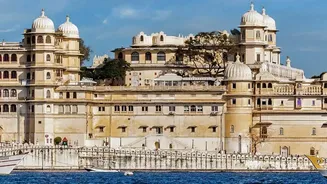
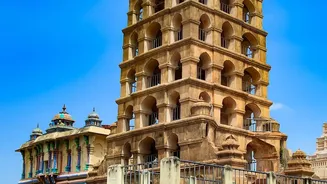
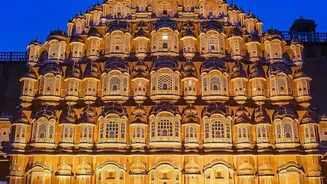
For decades, tourism in Rajasthan has revolved around the well-trodden circuit of its major cities. However, the state government is now making a concerted effort to diversify its offerings. Recent policy pushes and promotional events, like the upcoming
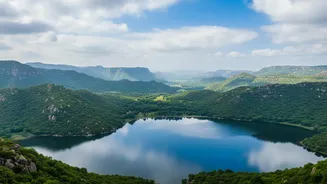
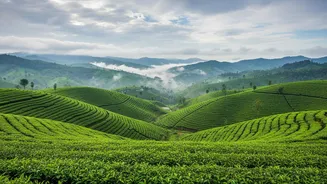
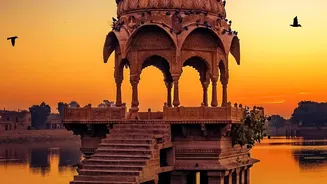
Rajasthan Domestic Travel Mart, are designed to showcase lesser-known regions and experiences. This new strategy focuses on promoting rural tourism, wildlife, adventure travel, and developing new thematic circuits like the Thar Cultural Circuit, connecting areas such as Jaisalmer, Barmer, and Bikaner. The goal is to move beyond conventional sightseeing and offer more immersive travel. Destinations like Bundi, the Shekhawati region, Banswara, and even specific sites like the abandoned village of Kuldhara and the Gagron Fort are being positioned as the next tourism hotspots. This push aims to distribute tourist footfall more evenly, reduce pressure on major hubs, and generate livelihoods in rural areas.
The Old Roads' Dilemma
While the ambition is new, much of the supporting infrastructure is not. Rajasthan's transport network has historically been a hub-and-spoke model, designed to connect major urban centres like Jaipur, Jodhpur, and Udaipur. While highways between these cities have seen significant upgrades, the story is different for the state's vast rural interiors. Rural and peri-urban areas often suffer from inadequate or non-existent public transport services. The quality of existing services can be poor, marked by overloaded vehicles and unregulated fares. For many remote villages and potential tourist sites, last-mile connectivity remains a significant hurdle. This leaves tourists and locals alike dependent on private vehicles or informal transport options, which are not always reliable or safe. The existing infrastructure was built for a different kind of tourism—one that moved between big cities, not one that ventures deep into the countryside.
When New Ambitions Meet Old Infrastructure
The state's emerging-destination push fundamentally changes the demands placed on its transport system. A tourist visiting a well-known fort in Jaipur has different needs than one trying to reach a remote haveli in the Shekhawati region or a desert camp near Khuri. The new model requires a shift from inter-city connectivity to intra-district and last-mile accessibility. Promoting homestays, rural experiences, and eco-tourism is unviable if these locations are difficult and expensive to reach. Officials acknowledge that improved infrastructure and stronger connectivity are essential for this new vision to succeed. Without a corresponding upgrade in local transport, there's a risk of creating tourism bottlenecks, where destinations are marketed but remain largely inaccessible. This disconnect can lead to frustrated tourists and missed economic opportunities for local communities that the policy aims to support.
A Blueprint for Integrated Mobility
Addressing this challenge requires a new case for local transport planning—one that is integrated, sustainable, and responsive to the needs of both residents and tourists. The Rajasthan Tourism Policy 2020 explicitly includes the objective to improve connectivity to tourist destinations. This involves more than just paving new roads. A modern approach would include developing reliable and regular public bus services to newly promoted tourism clusters and ensuring bus terminals are developed even at the Panchayat level. It also means creating a regulatory framework for tourist taxis and safaris to ensure safety and fair pricing. Furthermore, there is a significant push towards sustainable options, with discussions around promoting pollution-free transport in ecological and wildlife areas and developing the EV ecosystem beyond urban centres. Digital tools, like integrated booking systems and mobile apps, are also being developed to help visitors plan their journeys to these new destinations seamlessly. This holistic approach treats transport not as an afterthought, but as a core pillar of the tourism experience itself.