






The Physical Payoff: Muscles, Joints, and Calorie Burn
From a purely calorie-burning perspective, running often has a slight edge. An hour of moderate running can burn roughly 600 calories for a 70kg person, while energetic dance styles like Bhangra or Zumba can burn between 400 and 700 calories in the same
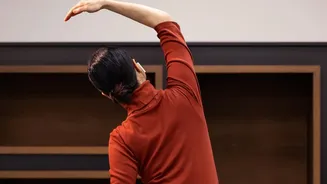
timeframe, depending on the intensity. However, the physical benefits go deeper. Running is a high-impact exercise that excels at building lower-body strength and bone density. Conversely, most dance forms are considered lower-impact, making them a gentler option for joints. Dance engages the entire body—arms, core, and legs—improving flexibility, coordination, and balance in ways that the repetitive, forward motion of running does not. While running builds powerhouse leg muscles, dance promotes overall muscular engagement and agility.
Community vs. Solitude: The Social Factor
This is where the two activities diverge most clearly. Group dance classes are inherently social. Studios and community halls across India are becoming hubs for connection, where participants find motivation, accountability, and friendship. Research shows that exercising in a group can reduce stress more effectively than working out alone and encourages consistency. The shared experience of learning choreography fosters a sense of belonging and teamwork. Solo running, on the other hand, is an exercise in introspection. It offers a unique mental space for solitude, problem-solving, or simply disconnecting from the world. For those who prefer to set their own pace without social pressure, the freedom of a solo run is unmatched. The choice here is less about fitness and more about personality: do you recharge your batteries with people or by yourself?
The Mental Health Matrix: Mood and Mind
Both activities are powerful tools for mental well-being. Running is famous for the 'runner's high', a flood of endorphins that creates a feeling of euphoria and clarity. It’s a meditative practice for many, offering a rhythmic escape that helps process thoughts and reduce anxiety. Dance also provides a significant mood boost, with studies showing it can improve energy and lower stress similar to other aerobic exercises. However, dance adds other layers. The act of learning and memorizing choreography challenges cognitive functions like memory and coordination. Some research even suggests that the combination of physical activity, social interaction, and mental effort in dancing may be uniquely effective at reducing the risk of dementia. The expressive, creative outlet of dance can be a powerful way to release emotions that running might not tap into.
Accessibility, Cost, and Getting Started
Running is arguably the most accessible form of exercise. All you truly need is a decent pair of shoes and an open road or park. It’s free and can be done anytime, anywhere. Group dance, however, comes with a schedule and a cost. In Indian metro cities, monthly fees for dance fitness classes like Zumba or Bollywood dance typically range from ₹1,500 to ₹5,000. This fee, however, includes expert instruction, a structured workout, and a dedicated space, which can be a strong motivator. While free dance tutorials are available online, the in-person class provides a valuable community atmosphere and real-time feedback that many find essential for staying committed.