
Hanle, Ladakh: India’s Official Dark Sky Reserve
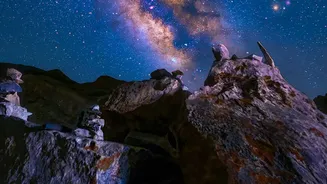
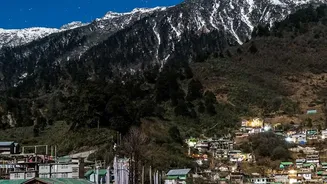
Topping any list of Indian stargazing destinations is Hanle, a remote village in Ladakh's Changthang region. Officially designated as India's first Dark Sky Reserve, this area is a haven for astronomers and astrophotographers. Situated at an altitude
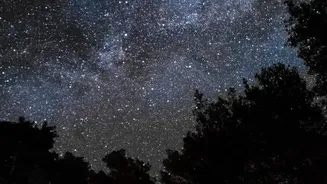
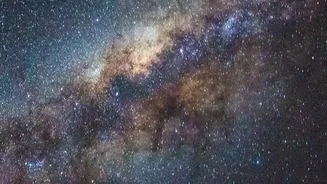
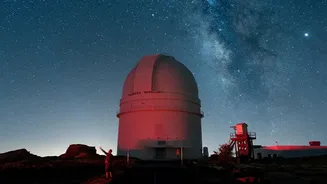
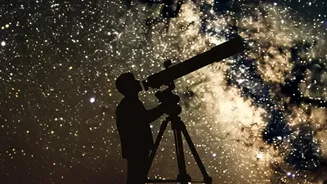
of over 4,500 metres, the thin, dry air and near-total absence of light pollution provide extraordinary conditions. Here, the Milky Way is so bright it is said to cast faint shadows on the ground on moonless nights. Hanle is home to the Indian Astronomical Observatory, one of the world's highest, underscoring its world-class sky quality. Local villagers, trained as astronomy guides, can lead visitors through the constellations, making this a unique blend of scientific pursuit and community-led tourism. The best time to visit is between May and September when the roads are accessible.
Spiti Valley, Himachal Pradesh: The High-Altitude Desert
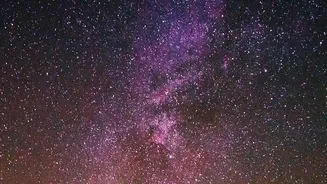
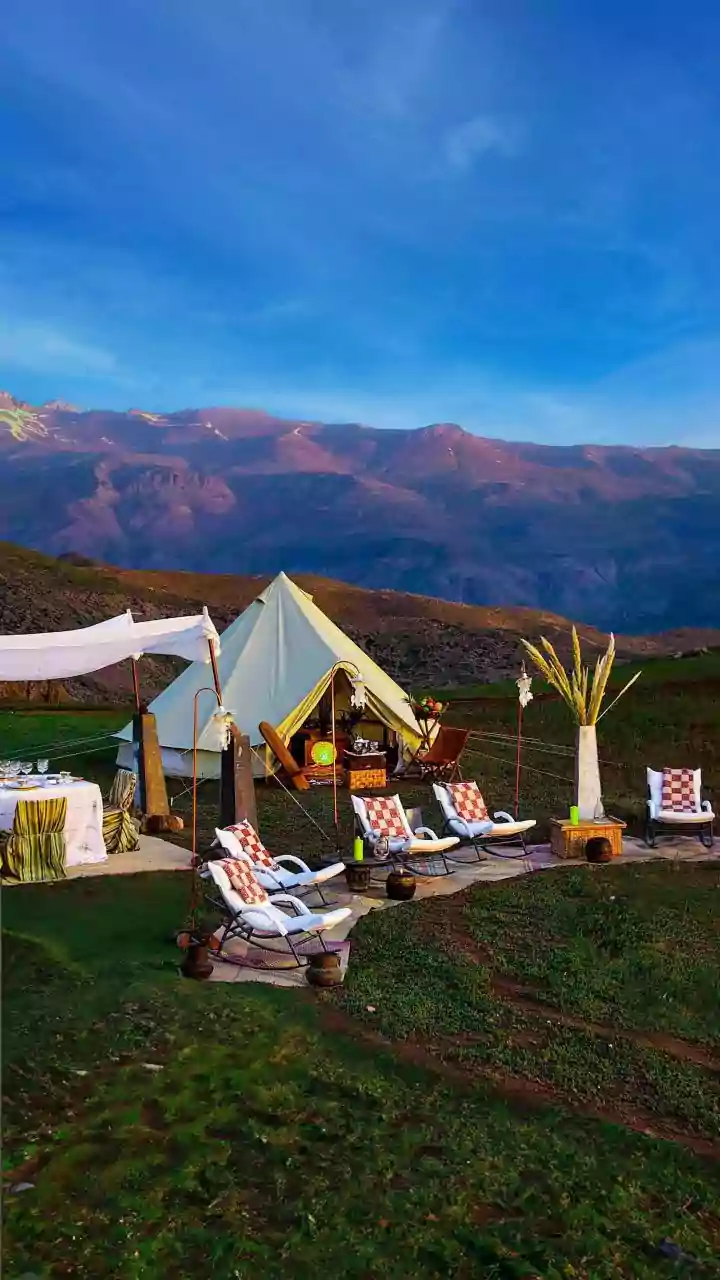
Often called a 'cold desert', Spiti Valley in Himachal Pradesh offers some of the most dramatic landscapes and darkest skies in the country. Its high altitude, remote location, and rain-shadow geography mean the skies are exceptionally clear, especially from May to October. Villages like Kibber, Langza, and Komic, some of the highest inhabited villages in Asia, serve as perfect bases for stargazing. With minimal artificial light, the valley offers a Bortle Class 1-2 rating, the darkest possible classification, where thousands of stars and even the Andromeda Galaxy are visible to the naked eye. The combination of ancient monasteries, rugged peaks, and a brilliant star-filled canopy makes for an unforgettable celestial experience. For the best views, plan your trip around the new moon.
Rann of Kutch, Gujarat: Stargazing Over Salt Flats
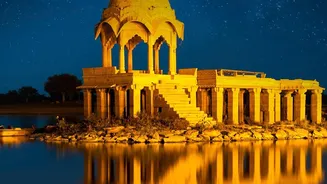
For a truly surreal stargazing experience, head to the Great Rann of Kutch in Gujarat. This immense salt desert, far from major urban centres, provides an unobstructed, horizon-to-horizon view of the night sky. Between November and February, during the Rann Utsav festival, the cool, dry winter air offers pristine viewing conditions. On a new moon night, the sky is a star-studded spectacle. During a full moon, the salt flats are bathed in an ethereal glow, creating a different kind of magic. The unique landscape, a vast expanse of white salt, can even reflect the starlight, creating a feeling of being suspended between two starfields. Key spots include the main festival area near Dhordo and the region's highest point, Kala Dungar, for panoramic views.
Coorg, Karnataka: A Southern Surprise
Proving that the Himalayas don't have a monopoly on clear skies, Coorg in Karnataka offers a fantastic and more accessible option for stargazers in South India. Nestled in the Western Ghats, the coffee plantations and misty hills sit at an elevation that lifts you above the haze of the lowlands. While not as dark as Ladakh or Spiti, many areas in Coorg enjoy excellent sky quality, especially from October to February when the post-monsoon air is crisp and clear. Several homestays and resorts in the region cater to visitors by organising bonfire and telescope sessions, allowing you to enjoy the southern constellations with a fresh cup of local coffee in hand.
Tips for Your Stargazing Trip
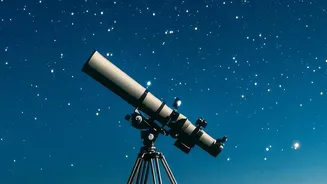
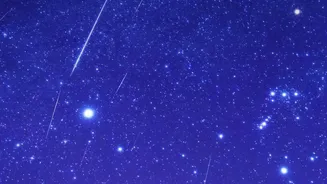
To make the most of your adventure, a little planning goes a long way. First, check the lunar calendar and aim for the days around the new moon when the sky is darkest. Second, allow your eyes to 'dark adapt' for at least 20-30 minutes by avoiding bright lights, including your phone screen. A torch with a red light is ideal for preserving night vision. Third, dress warmly. Even in summer, temperatures in high-altitude and desert regions can drop significantly after sunset. Finally, while a telescope enhances the view, it's not essential. In these prime locations, the naked-eye view of the Milky Way, constellations, and shooting stars is a profound experience in itself.