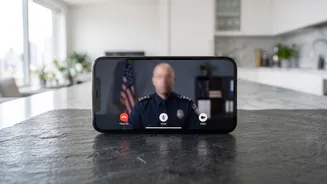









A chilling new wave of cyber fraud is sweeping across India, where scammers don't just ask for your OTP. They impersonate police, send fake arrest warrants, and place you under 'digital arrest' over a video call to extort your savings.
The Anatomy of a 'Digital Arrest' Scam
The scam begins
with an unexpected phone call. The person on the other end might claim to be from a courier company like FedEx, a telecom operator, or even a government body. They'll state that a parcel in your name has been intercepted and found to contain illegal items like drugs, fake passports, or excess cash. The initial goal is to create a sense of confusion and panic. The caller often sounds official and may have your name and Aadhaar details, which are used to make the threat feel authentic. As you deny sending any such parcel, the fraudster skillfully shifts the narrative, suggesting your identity has been stolen and used for criminal activities, making you feel like both a victim and a suspect.
Escalation with Fake Authority
This is where the psychological pressure intensifies. The initial caller will 'transfer' your call to a senior 'officer' from the police, CBI, Narcotics Control Bureau, or another law enforcement agency. To make the impersonation convincing, these criminals use sophisticated tactics. They may send forged documents like FIRs, court notices, or official-looking letters via WhatsApp. These documents often bear the logos of real agencies and may even include your personal details, adding a layer of terrifying credibility. The 'officer' speaks with authority, using legal jargon to intimidate and confuse you, reinforcing the idea that you are in serious legal trouble.
The 'Video Arrest' Pressure Tactic
The masterstroke of this scam is the 'digital arrest'. Fraudsters will demand you join a video call on Skype or WhatsApp, where you'll see someone dressed in a police uniform, often in a room designed to look like a real police station or government office. They will then inform you that you are under 'digital arrest' and must remain on the call under surveillance. Victims are often forced to stay on the line for hours, isolated from family and friends who might recognize the fraud. This constant surveillance is a powerful fear tactic designed to break your resolve and prevent you from seeking help or thinking clearly. Legally, the concept of a 'digital arrest' does not exist in India; no law enforcement agency can arrest someone over a video call.
The Financial Demand
Once the victim is sufficiently terrified and isolated, the scammers make their financial demand. They will claim that to clear your name or to verify your funds are 'clean', you must transfer a significant amount of money to a specific bank account, which they might falsely claim is an RBI or government security account. They promise the money will be returned once the 'verification' is complete. The urgency and fear they’ve built up often compel victims to comply, leading to devastating financial losses. Once the money is transferred, the scammers disappear, and the funds are quickly moved through a complex web of mule accounts, making recovery extremely difficult.
How to Protect Yourself
The most powerful tool against this scam is awareness. Legitimate authorities like the police or CBI will never contact you via WhatsApp to threaten arrest or demand money. They follow official procedures, which involve written notices sent through proper channels. If you receive such a call, the first step is to stay calm and disconnect. Do not share any personal information like your Aadhaar number, bank details, or OTPs. Block the number immediately. Independently verify the claim by contacting the courier company or your local police station using official numbers from their websites, not numbers provided by the caller. If you suspect you're being targeted, report the incident immediately to the National Cyber Crime Helpline at 1930 or file a complaint on the official portal at www.cybercrime.gov.in.